How Do Ferry Boats Revolutionize Maritime Transport?
Summary: Ferry boats have become an essential component of modern maritime transport, offering efficient, reliable, and eco-friendly solutions for passengers and vehicles across waterways. This article explores the key features, benefits, and technological advancements in ferry boats, with a focus on the products and services offered by HAIDING SHIPYARD. By addressing common challenges faced by ferry operators and passengers, this guide aims to provide practical insights for businesses and individuals interested in ferry solutions.
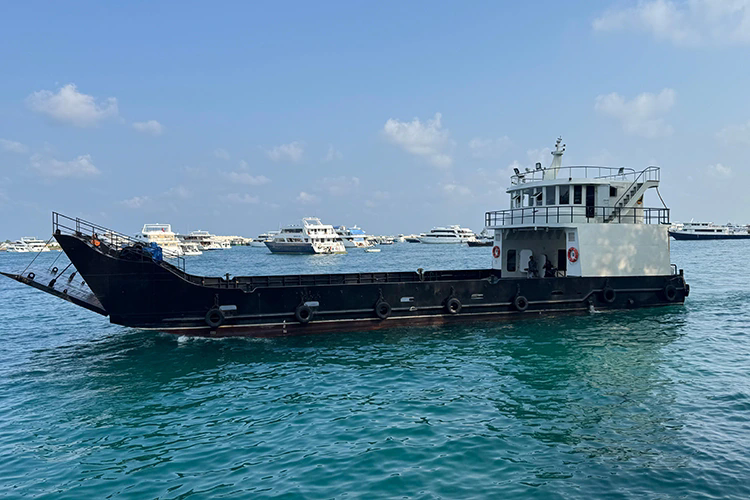
Table of Contents
- Overview of Ferry Boats
- Types of Ferry Boats
- Key Benefits of Ferry Boats
- Modern Technologies in Ferry Boats
- Maintenance and Safety Considerations
- Frequently Asked Questions
Overview of Ferry Boats
Ferry boats are vessels specifically designed to transport passengers, vehicles, and cargo across rivers, lakes, and coastal waterways. Unlike traditional ships, ferries focus on short-distance routes and frequent scheduling, making them ideal for commuter transport, tourism, and regional logistics. HAIDING SHIPYARD specializes in the design and construction of high-performance ferry boats that meet international safety and efficiency standards.
- Passenger ferries: optimized for comfort and capacity.
- Vehicle ferries: capable of transporting cars, trucks, and buses.
- Hybrid and electric ferries: environmentally friendly options for sustainable transport.
Types of Ferry Boats
Understanding the types of ferry boats helps operators choose the best solution for their needs:
| Ferry Type | Primary Use | Capacity |
|---|---|---|
| Roll-On/Roll-Off (RoRo) | Vehicles and cargo | Up to 100 trucks |
| Passenger Ferry | Short-distance passenger transport | 100–500 passengers |
| Double-Ended Ferry | Efficient docking and turnaround | Variable depending on design |
| High-Speed Ferry | Fast passenger transport | 50–300 passengers |
Key Benefits of Ferry Boats
Ferry boats offer several advantages that make them a preferred choice for maritime transport:
- Efficiency: Short-distance routes reduce travel time and fuel consumption.
- Cost-effective: Affordable for both operators and passengers.
- Eco-friendly options: Modern hybrid and electric ferries minimize carbon emissions.
- Scalability: Can accommodate growing passenger or vehicle demand with flexible designs.
- Safety: Built to international maritime standards, ensuring reliable operations.
Modern Technologies in Ferry Boats
HAIDING SHIPYARD integrates advanced technologies to enhance ferry performance, safety, and passenger comfort:
- Hybrid propulsion systems: Combine diesel engines with electric motors for energy efficiency.
- Advanced navigation systems: GPS and radar-assisted navigation for safe operations in all weather conditions.
- Passenger comfort innovations: Climate-controlled cabins, ergonomic seating, and onboard amenities.
- Automated docking systems: Reduce docking time and improve turnaround efficiency.
- Real-time monitoring: Sensors track engine performance, fuel consumption, and safety parameters.
Maintenance and Safety Considerations
Regular maintenance is crucial for ferry operations to ensure safety and longevity:
- Conduct routine hull inspections to detect corrosion or structural damage.
- Check propulsion systems, including engines and propellers, for wear and tear.
- Ensure life-saving equipment such as lifeboats and life jackets are operational.
- Perform electrical system diagnostics to prevent onboard failures.
- Follow regulatory guidelines for periodic safety audits.
HAIDING SHIPYARD provides comprehensive after-sales support, including maintenance plans, crew training, and spare part supplies to maximize vessel uptime.
Frequently Asked Questions
- What is the average lifespan of a ferry boat?
- With proper maintenance, ferry boats can operate efficiently for 25–30 years.
- Can ferry boats operate in extreme weather conditions?
- Modern ferries are designed with robust hulls and advanced navigation systems to operate safely in most weather conditions.
- Are hybrid ferry boats cost-effective?
- Yes, hybrid ferries reduce fuel costs and emissions, providing long-term operational savings.
- How quickly can a ferry be constructed?
- Construction time depends on design and capacity, but HAIDING SHIPYARD typically delivers projects within 12–18 months.
For businesses and operators seeking reliable ferry solutions, HAIDING SHIPYARD offers tailor-made vessels with cutting-edge technologies and unmatched after-sales support. To learn more about our ferry boats and discuss your specific requirements, contact us today and explore how we can enhance your maritime transport operations.
Previous :
Related News
- How Can a Multifunctional Service Vessel Improve Efficiency and Reduce Costs in Marine Operations?
- How Can Hoisting Self-elevating Platforms Improve Offshore Operations?
- How Do Inland River Tugboats Operate Efficiently?
- How Does a Water Purification Pumping Station Improve Clean Water Supply Efficiency?
- How Does a Split Hopper Barge Improve Dredging Efficiency and Marine Material Transport?
- How Do Modular Pontoons Revolutionize Marine Operations?
Leave me a message