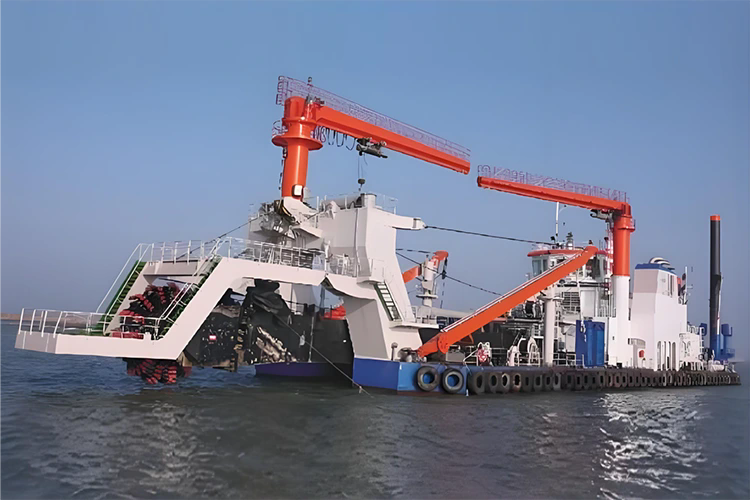
How Does a Harbor Tugboat Improve Port Efficiency and Vessel Safety?
Abstract: Harbor tugboats play a critical role in modern port operations by assisting large vessels with maneuvering, docking, and navigation in confined waterways. This article provides a comprehensive analysis of how harbor tugboats function, their technical specifications, operational advantages, and how they solve common maritime challenges such as limited maneuverability, safety risks, and port congestion.
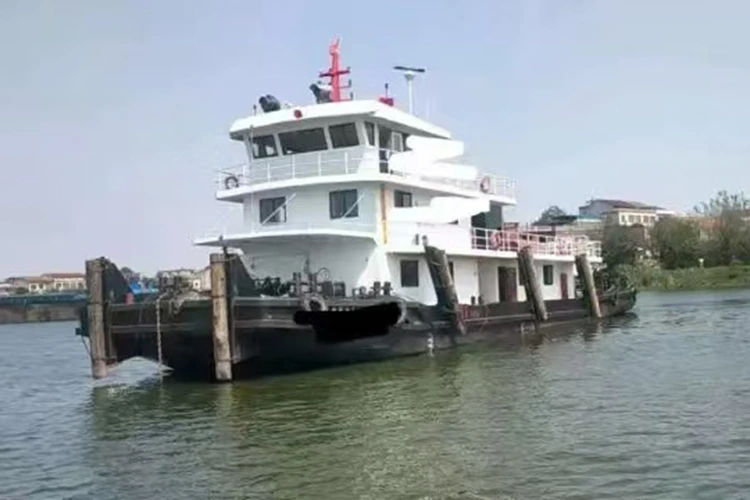
Table of Contents
1. Introduction to Harbor Tugboats
2. How Harbor Tugboats Work
3. Key Components and Technical Structure
4. Common Customer Pain Points and Solutions
5. Harbor Tugboat Specifications and Parameters
6. Types of Harbor Tugboats
7. Operational Advantages in Ports
8. Maintenance and Lifecycle Considerations
9. Frequently Asked Questions
10. Conclusion
1. Introduction to Harbor Tugboats
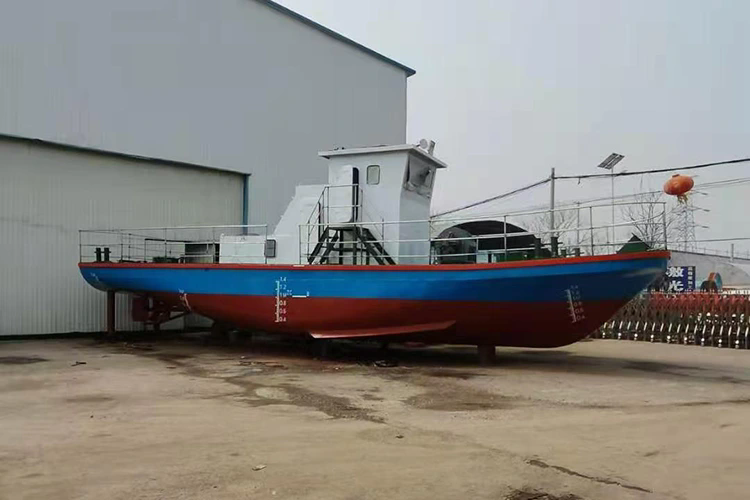
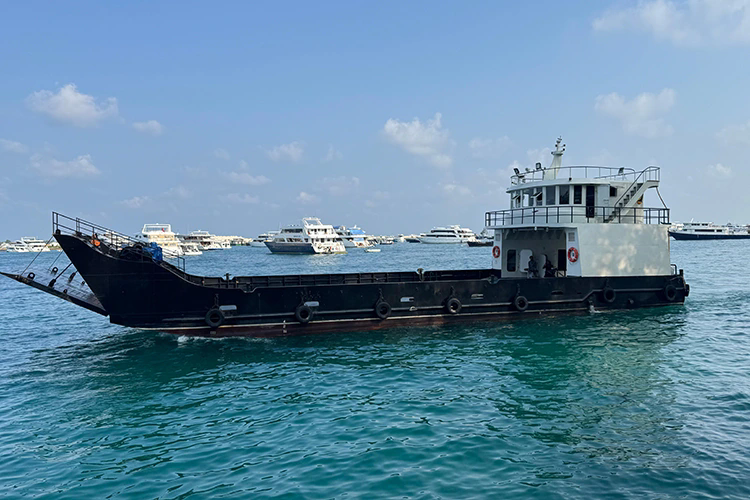
A harbor tugboat is a specialized marine vessel designed to assist larger ships in confined port environments. Due to the massive size and limited maneuverability of cargo ships, tankers, and container vessels, tugboats provide the necessary force and control to ensure safe navigation.
Modern ports rely heavily on tugboats to reduce operational risks and improve turnaround efficiency. Without tugboats, docking large vessels would be significantly more time-consuming and hazardous.
2. How Harbor Tugboats Work
Harbor tugboats operate by applying controlled force to larger vessels through towing lines, pushing, or escorting. Their compact size combined with powerful engines allows them to generate high bollard pull, which is essential for moving large ships.
- Towing: Tugboats pull vessels using heavy-duty ropes or steel cables.
- Pushing: Tugboats push against the hull to guide direction.
- Escorting: Tugboats accompany vessels to stabilize and control movement.
Advanced propulsion systems such as azimuth thrusters enable tugboats to rotate 360 degrees, offering superior maneuverability even in tight harbor conditions.
3. Key Components and Technical Structure
- Hull Design: Reinforced structure for high-impact operations.
- Propulsion System: Typically azimuth stern drive (ASD) or Voith Schneider propulsion.
- Winch System: Enables controlled towing and line handling.
- Fendering: Heavy-duty rubber fenders protect both tugboat and assisted vessel.
- Navigation System: Radar, GPS, and communication tools ensure precision.
4. Common Customer Pain Points and Solutions
1. Limited Maneuverability of Large Ships
Large vessels cannot easily navigate narrow or crowded ports. Tugboats provide precision control, ensuring safe berthing and departure.
2. High Risk of Collision
Tugboats reduce collision risks by stabilizing vessels during docking operations, especially under adverse weather conditions.
3. Port Congestion
Efficient tugboat operations accelerate vessel turnaround time, minimizing delays and improving port throughput.
4. Operational Costs
Modern tugboats are designed for fuel efficiency and optimized performance, reducing long-term operational expenses.
5. Harbor Tugboat Specifications and Parameters
| Parameter | Description |
| Length | 20 – 40 meters |
| Bollard Pull | 30 – 80 tons |
| Engine Power | 2000 – 6000 HP |
| Speed | 10 – 14 knots |
| Propulsion Type | ASD / VSP |
| Crew Capacity | 4 – 10 personnel |
6. Types of Harbor Tugboats
- Azimuth Stern Drive (ASD) Tugboats: Highly maneuverable and widely used.
- Voith Schneider Tugboats: Exceptional directional control.
- Conventional Tugboats: Cost-effective for basic towing operations.
- Hybrid Tugboats: Environmentally friendly with reduced emissions.
7. Operational Advantages in Ports
- Enhanced safety during docking and undocking
- Improved vessel traffic management
- Reduced turnaround time
- Adaptability to various vessel sizes
- Efficient operation under extreme weather conditions
Ports equipped with advanced tugboat fleets experience smoother logistics operations and higher overall productivity.
8. Maintenance and Lifecycle Considerations
Proper maintenance is essential to ensure long-term reliability and performance. Key maintenance practices include:
- Routine engine inspections
- Hull integrity checks
- Winch and towing gear maintenance
- Regular software updates for navigation systems
Lifecycle management strategies can significantly extend the operational lifespan of harbor tugboats while maintaining safety standards.
9. Frequently Asked Questions
Q1: What is the primary function of a harbor tugboat?
A: The primary function is to assist large vessels in maneuvering safely within ports, including docking, undocking, and navigation.
Q2: How powerful are harbor tugboats?
A: Tugboats are designed with high engine power and bollard pull, enabling them to move vessels significantly larger than themselves.
Q3: Are harbor tugboats environmentally friendly?
A: Many modern tugboats incorporate hybrid or low-emission technologies to reduce environmental impact.
Q4: How do tugboats improve port efficiency?
A: By reducing docking time, minimizing delays, and enhancing safety, tugboats streamline overall port operations.
10. Conclusion
Harbor tugboats are indispensable assets in maritime logistics, ensuring safe and efficient vessel operations within ports. Their advanced propulsion systems, robust construction, and operational flexibility make them essential for modern shipping infrastructure.
As a trusted manufacturer, Shandong Haiding Shipbuilding Co., Ltd. specializes in high-performance harbor tugboats designed to meet diverse operational requirements. With a focus on innovation, durability, and efficiency, the company delivers reliable solutions for global port operations.
If you are looking to enhance your port capabilities with advanced harbor tugboat solutions, contact us today to explore customized options tailored to your operational needs.
Related News
- How Can a Controllable Pitch Propeller Tug Improve Towing Efficiency and Port Maneuverability
- How Can a Jack Up Living Quarter Platform Improve Safety and Efficiency in Offshore Operations
- How Can a Rapidly Emplaced Bridge Transform Emergency Water-Crossing and Infrastructure Recovery
- How Can a Jack Up Wind Farm Installation Platform Transform Offshore Wind Turbine Installation
- How Can Modular Pontoons Transform Modern Marine Construction and Floating Platform Projects
- How Does an Ocean-Going Tug Support Demanding Deep-Sea Operations?
Leave me a message