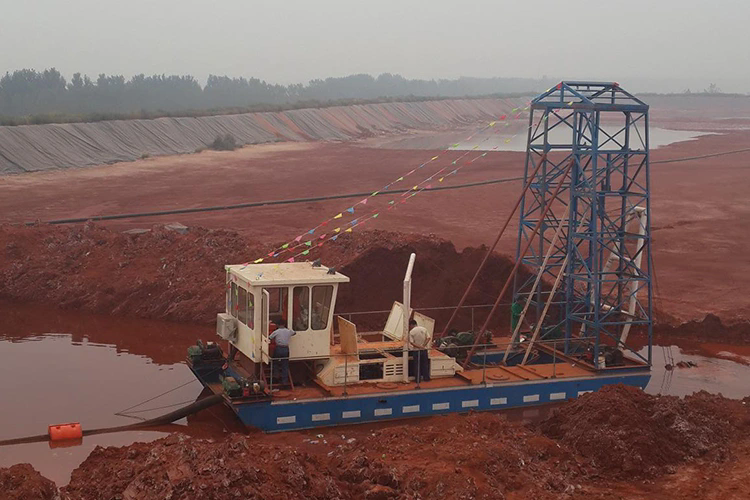
How Does an Agricultural Water Intake Floating Ship Improve Irrigation Efficiency?
Abstract
Efficient water management remains one of the most critical challenges in modern agriculture. Traditional fixed water intake systems often struggle with fluctuating water levels, sediment accumulation, and limited mobility. The Agricultural Water Intake Floating Ship offers a flexible, reliable, and cost-effective alternative. This article explores how this innovative solution works, its key benefits, structural components, and how it addresses real-world agricultural pain points.
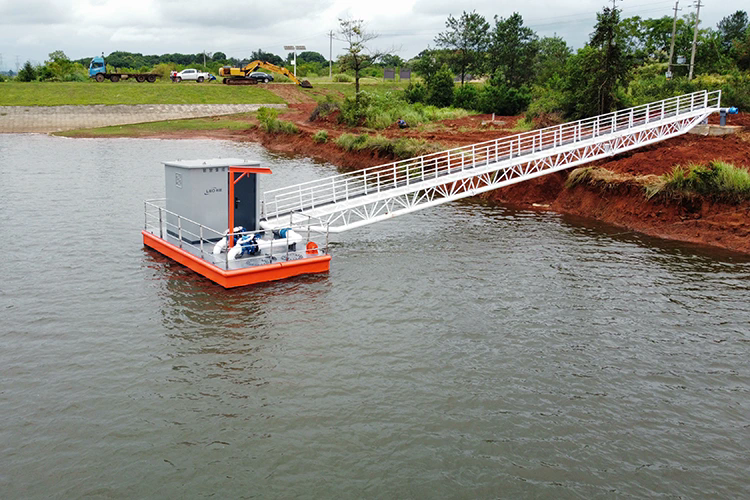
Table of Contents
- 1. Introduction
- 2. Common Challenges in Agricultural Water Intake
- 3. What Is an Agricultural Water Intake Floating Ship?
- 4. How Does It Work?
- 5. Key Components and Structure
- 6. Core Benefits for Agricultural Operations
- 7. Floating vs Fixed Water Intake Systems
- 8. Typical Application Scenarios
- 9. How to Choose the Right Floating Intake Ship
- 10. FAQ
1. Introduction
Agriculture heavily depends on consistent and efficient water supply systems. However, natural water sources such as rivers, lakes, and reservoirs are dynamic environments where water levels fluctuate due to seasonal and climatic changes. Traditional intake infrastructure often fails to adapt to these variations, leading to inefficiencies and operational disruptions.
This is where the Agricultural Water Intake Floating Ship emerges as a transformative solution. Designed to float and adjust automatically with water levels, it ensures uninterrupted water extraction for irrigation systems.
2. Common Challenges in Agricultural Water Intake
- Water level fluctuations affecting pump performance
- Sediment buildup damaging intake systems
- High infrastructure costs for fixed installations
- Difficult maintenance in remote or harsh environments
- Limited adaptability to changing agricultural demands
These issues often result in reduced crop yield, increased operational costs, and inefficient resource utilization.
3. What Is an Agricultural Water Intake Floating Ship?
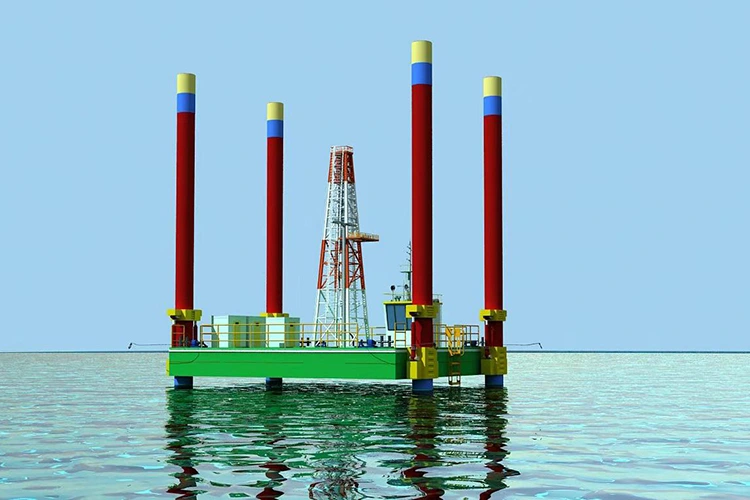
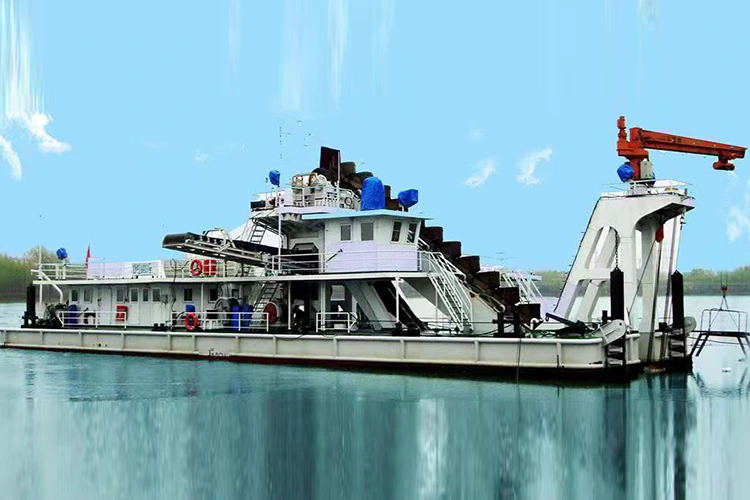
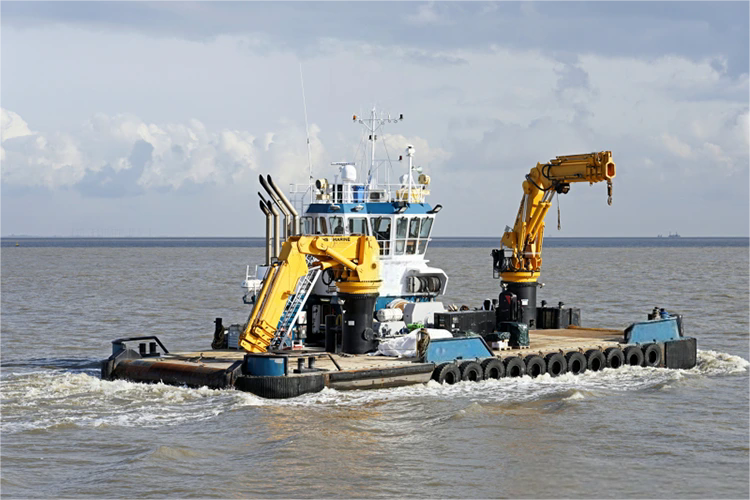
An Agricultural Water Intake Floating Ship is a modular floating platform equipped with water intake pumps, pipelines, and control systems. Unlike fixed intake stations, it operates directly on the water surface, adjusting naturally to water level changes.
Companies like HAIDING SHIPYARD specialize in designing and manufacturing such systems, offering tailored solutions to meet various agricultural needs.
4. How Does It Work?
The working principle is straightforward yet highly effective:
- The floating structure remains buoyant on the water surface.
- Water pumps installed onboard draw water directly from the source.
- Flexible pipelines transport water to irrigation systems on land.
- The platform adjusts automatically with water level changes, maintaining optimal pump operation.
This dynamic positioning ensures continuous and stable water intake without manual intervention.
5. Key Components and Structure
| Component | Function |
|---|---|
| Floating Platform | Provides buoyancy and structural support |
| Water Pumps | Extract water efficiently from the source |
| Pipeline System | Transfers water to irrigation networks |
| Anchoring System | Keeps the structure stable in position |
| Control System | Monitors and regulates pump operations |
6. Core Benefits for Agricultural Operations
- Adaptability: Automatically adjusts to water level changes
- Cost Efficiency: Reduces construction and maintenance costs
- Mobility: Can be relocated based on seasonal needs
- Durability: Designed to withstand harsh environmental conditions
- Efficiency: Ensures consistent water supply for irrigation
These benefits make it an ideal choice for modern, large-scale farming operations.
7. Floating vs Fixed Water Intake Systems
| Feature | Floating System | Fixed System |
|---|---|---|
| Water Level Adaptability | High | Low |
| Installation Cost | Moderate | High |
| Maintenance | Easy | Difficult |
| Mobility | Flexible | None |
8. Typical Application Scenarios
- River irrigation projects
- Reservoir water extraction
- Lake-based farming systems
- Emergency drought response solutions
- Large-scale agricultural irrigation networks
The versatility of floating intake ships allows them to serve a wide range of agricultural environments.
9. How to Choose the Right Floating Intake Ship
When selecting a suitable solution, consider the following factors:
- Water source characteristics (depth, flow rate)
- Required pumping capacity
- Environmental conditions (wind, waves, sediment)
- Material durability and corrosion resistance
- Customization options offered by manufacturers
Working with an experienced manufacturer like HAIDING SHIPYARD ensures that your system is optimized for performance and longevity.
10. FAQ
Q1: Can the floating ship operate in extreme weather?
Yes, it is engineered with robust materials and anchoring systems to handle challenging environmental conditions.
Q2: Is it suitable for small farms?
Absolutely. Modular designs allow scalability, making it suitable for both small and large agricultural operations.
Q3: How often does maintenance need to be performed?
Maintenance requirements are relatively low and mainly involve routine inspection of pumps and structural components.
Q4: Can it be customized?
Yes, systems can be tailored based on specific project requirements, including pump capacity and platform size.
Conclusion
The Agricultural Water Intake Floating Ship represents a significant advancement in agricultural water management. By addressing key inefficiencies found in traditional systems, it provides a reliable, adaptable, and cost-effective solution for modern irrigation needs.
If you are looking to enhance your irrigation infrastructure with a high-performance floating intake solution, HAIDING SHIPYARD offers industry-leading expertise and customized designs tailored to your project requirements.
Take the next step toward smarter water management—contact us today to explore how our solutions can transform your agricultural operations.
Related News
- How Can a Controllable Pitch Propeller Tug Improve Towing Efficiency and Port Maneuverability
- How Can a Jack Up Living Quarter Platform Improve Safety and Efficiency in Offshore Operations
- How Can a Rapidly Emplaced Bridge Transform Emergency Water-Crossing and Infrastructure Recovery
- How Can a Jack Up Wind Farm Installation Platform Transform Offshore Wind Turbine Installation
- How Can Modular Pontoons Transform Modern Marine Construction and Floating Platform Projects
- How Does an Ocean-Going Tug Support Demanding Deep-Sea Operations?
Leave me a message