How Do Inland River Tugboats Operate Efficiently?
Abstract: Inland river tugboats play a critical role in transporting goods along rivers, canals, and other inland waterways. These vessels are designed for maneuverability, durability, and efficiency in narrow and shallow waters. This article explores how inland river tugboats operate, the technologies that enhance their performance, operational best practices, and the benefits for businesses involved in inland shipping.
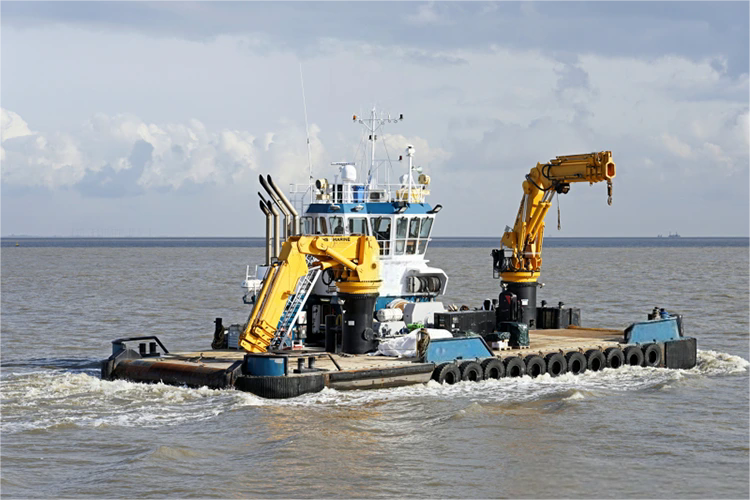
Table of Contents
- Introduction
- Design and Structure of Inland River Tugboats
- Propulsion and Power Systems
- Operational Strategies for Efficiency
- Maintenance and Safety Considerations
- Advantages of Inland River Tugboats
- Frequently Asked Questions (FAQ)
- Contact Us
Introduction
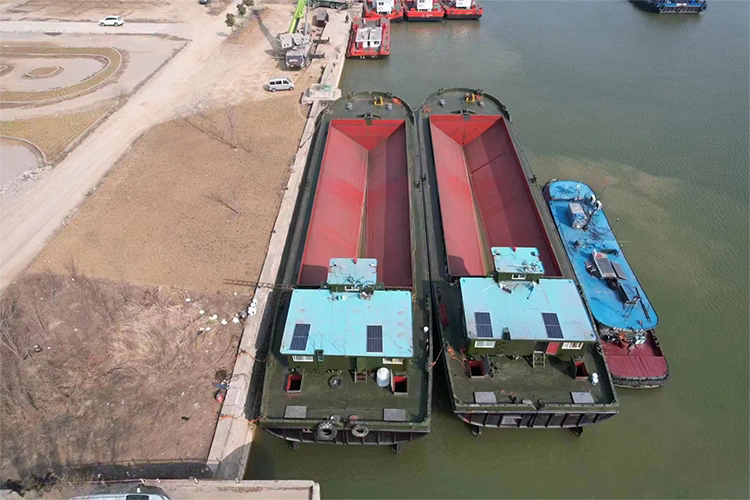
Inland river tugboats are specialized vessels designed to tow or push barges and other cargo along rivers, lakes, and canals. Unlike seagoing tugboats, these vessels operate in shallow waters and constrained spaces, requiring advanced maneuverability and operational precision. Efficient tugboat operations are critical for minimizing transit times, reducing fuel costs, and ensuring the safety of cargo and crew.
Design and Structure of Inland River Tugboats
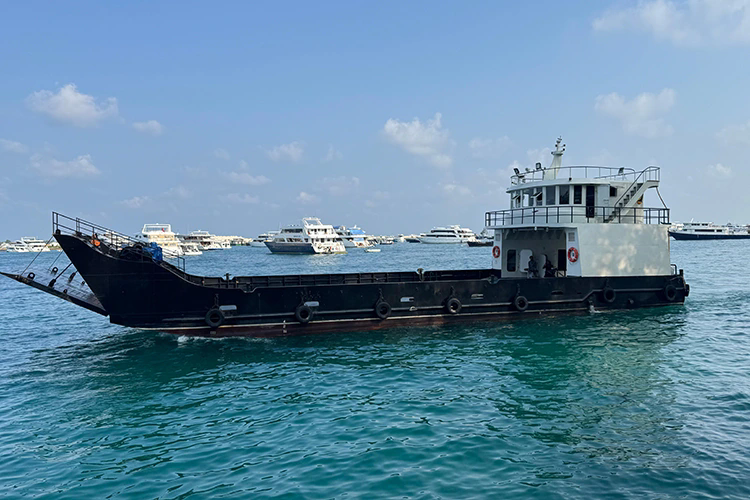
The design of an inland river tugboat is focused on stability, shallow draft, and powerful propulsion. Key design elements include:
- Hull Design: Shallow draft hulls allow navigation in narrow and shallow waterways while maintaining stability.
- Deck Layout: Open and reinforced decks enable towing of multiple barges and easy handling of mooring equipment.
- Wheelhouse: Elevated wheelhouses improve visibility in congested river areas, ensuring precise navigation.
- Towing Equipment: Heavy-duty winches, bollards, and towing hooks are essential for handling large loads.
Table: Typical Specifications of an Inland River Tugboat
| Specification | Typical Range |
|---|---|
| Length | 25-50 meters |
| Beam | 6-12 meters |
| Draft | 1.2-3 meters |
| Engine Power | 500-3000 kW |
| Speed | 10-15 knots |
Propulsion and Power Systems
Efficient inland river tugboats rely on advanced propulsion systems to provide maneuverability and towing power. These systems include:
- Diesel Engines: Reliable and fuel-efficient engines designed for long operational hours.
- Propeller Systems: Conventional or azimuth thrusters enhance directional control and turning radius.
- Bow and Stern Thrusters: These provide additional lateral movement capabilities in tight docking areas.
- Fuel Management: Optimized fuel systems and automation help reduce operational costs.
Operational Strategies for Efficiency
Operational efficiency is key for inland river tugboats. Best practices include:
- Route Planning: Analyzing water depth, currents, and traffic congestion ensures timely and safe transit.
- Load Management: Proper distribution of barges and cargo minimizes strain on engines and reduces fuel consumption.
- Speed Regulation: Maintaining moderate speeds improves fuel efficiency and vessel stability.
- Communication Systems: Effective communication with ports, other vessels, and barges is essential for coordination.
Maintenance and Safety Considerations
Regular maintenance and safety checks are crucial for inland tugboats. Key aspects include:
- Engine Maintenance: Routine checks, oil changes, and part replacements prevent breakdowns.
- Hull Inspections: Checking for corrosion or damage maintains vessel integrity.
- Emergency Preparedness: Life jackets, fire extinguishers, and alarms must be regularly inspected.
- Crew Training: Continuous training in navigation, towing operations, and emergency protocols ensures safety.
Advantages of Inland River Tugboats
Investing in a high-quality inland river tugboat provides numerous benefits for river transportation businesses:
- Cost-Effective Transport: Tugboats enable the movement of multiple barges, reducing per-unit shipping costs.
- Operational Flexibility: Capable of navigating shallow and narrow waterways where larger vessels cannot operate.
- Environmental Impact: Fuel-efficient designs and optimized routes minimize emissions.
- Durability: Reinforced hulls and reliable engines ensure long service life, reducing replacement costs.
Frequently Asked Questions (FAQ)
1. What is the typical crew size of an inland river tugboat?
Most inland river tugboats operate with a crew of 3-6, depending on the size of the vessel and operational complexity.
2. Can inland river tugboats operate in all weather conditions?
While they are designed for river environments, extreme weather such as storms or freezing conditions may require operational adjustments or temporary suspension.
3. How often should maintenance be conducted?
Routine inspections should be conducted daily, while major maintenance and engine overhauls are usually performed annually or as specified by the manufacturer.
4. Are inland river tugboats customizable?
Yes, manufacturers such as Shandong Haiding Shipbuilding Co., Ltd. offer customizable options including engine power, deck layout, and towing equipment to suit specific operational needs.
Contact Us
Shandong Haiding Shipbuilding Co., Ltd. provides high-quality inland river tugboats tailored for efficiency and durability. To learn more about our vessels or request a quote, contact us today and discover how our solutions can enhance your river transport operations.
Related News
- How Can a Controllable Pitch Propeller Tug Improve Towing Efficiency and Port Maneuverability
- How Can a Jack Up Living Quarter Platform Improve Safety and Efficiency in Offshore Operations
- How Can a Rapidly Emplaced Bridge Transform Emergency Water-Crossing and Infrastructure Recovery
- How Can a Jack Up Wind Farm Installation Platform Transform Offshore Wind Turbine Installation
- How Can Modular Pontoons Transform Modern Marine Construction and Floating Platform Projects
- How Does an Ocean-Going Tug Support Demanding Deep-Sea Operations?
Leave me a message