How Can Hoisting Self-elevating Platforms Improve Offshore Operations?
Article Summary
The hoisting self-elevating platform (HSEP) is a versatile offshore solution that enhances operational efficiency, safety, and cost-effectiveness in maritime construction, oil & gas, and renewable energy sectors. This article explores its working principle, key benefits, design considerations, operational best practices, and how Shandong Haiding Shipbuilding Co., Ltd. can support your offshore projects with customized solutions.
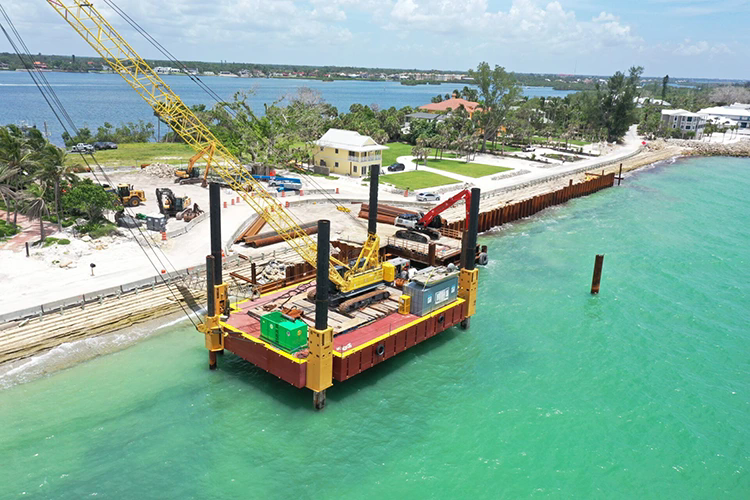
Table of Contents
- What is a Hoisting Self-elevating Platform?
- Key Benefits of Using HSEPs
- Design and Construction Considerations
- Operation and Maintenance Best Practices
- Applications Across Industries
- Frequently Asked Questions
- Contact Shandong Haiding Shipbuilding Co., Ltd.
What is a Hoisting Self-elevating Platform?
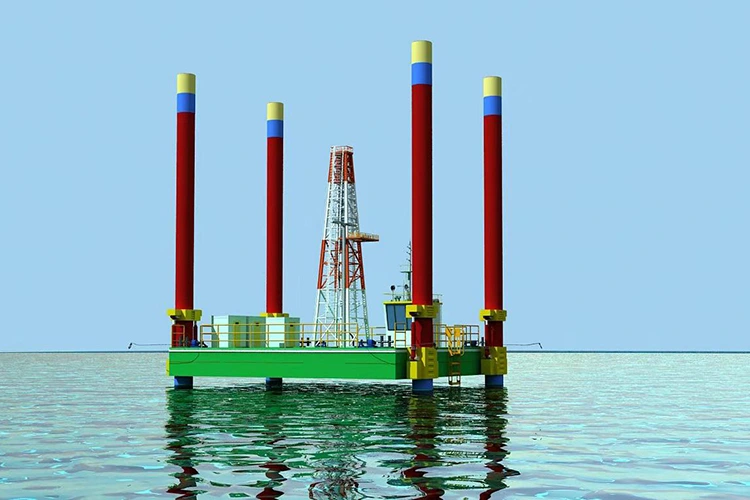
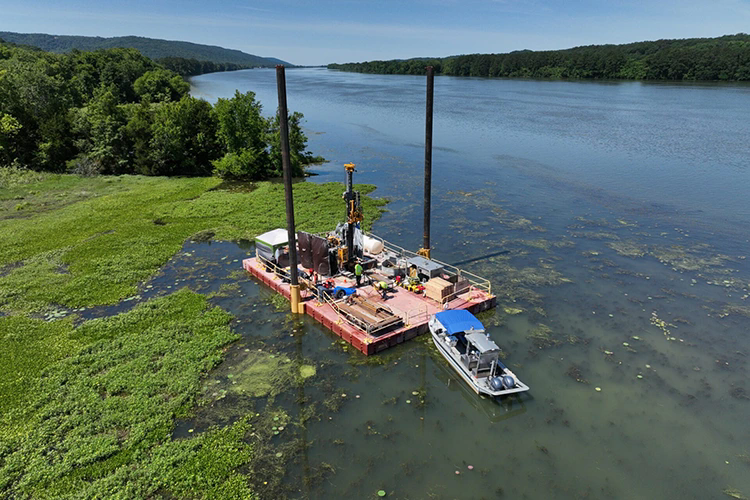
A Hoisting Self-elevating Platform (HSEP) is a type of jack-up barge designed to elevate itself above the water level by extending its legs to the seabed. This allows for a stable working platform even in offshore environments with waves and currents. The hoisting mechanism typically uses hydraulic or mechanical systems to raise and lower the platform safely and efficiently.
- Structure: Typically consists of a hull, vertical legs, and a deck.
- Hoisting Mechanism: Hydraulic or mechanical jacks drive the elevation process.
- Mobility: Towed or self-propelled to the site before elevation.
Key Benefits of Using HSEPs
HSEPs offer a range of advantages that address the core pain points of offshore operations:
| Benefit | Description |
|---|---|
| Enhanced Stability | Legs anchor to the seabed, providing a firm base for heavy lifting and construction activities. |
| Operational Safety | Reduced vessel movement decreases the risk of accidents and equipment damage. |
| Cost Efficiency | Eliminates the need for constant dynamic positioning, saving fuel and crew costs. |
| Versatility | Suitable for oil & gas, wind farm installation, dredging, and other offshore projects. |
| Quick Deployment | Relatively fast setup and relocation compared to traditional platforms. |
Design and Construction Considerations
To ensure maximum performance, HSEPs must adhere to strict design and engineering standards:
- Load Capacity: Determine the maximum supported weight for equipment and personnel.
- Leg Design: Choose between lattice or tubular legs based on seabed conditions and water depth.
- Hull Structure: Optimize for stability and buoyancy during transit and elevation.
- Safety Features: Include emergency lowering systems, anti-slip surfaces, and guard rails.
- Environmental Adaptation: Consider wave height, wind, and current forces in the structural calculations.
Operation and Maintenance Best Practices
Efficient operation and regular maintenance are key to long-term reliability:
- Pre-deployment Inspection: Check hydraulic systems, structural integrity, and leg alignment.
- Elevation Procedure: Follow a systematic approach for raising/lowering to prevent leg misalignment.
- Routine Maintenance: Lubricate moving parts, inspect welds, and monitor hydraulic pressure regularly.
- Training: Operators should receive certified training on safety and platform handling.
- Emergency Protocols: Establish clear procedures for storms, power failures, or mechanical issues.
Applications Across Industries
HSEPs are widely adopted in various sectors due to their adaptability:
- Offshore Oil & Gas: Installation and maintenance of rigs, pipelines, and drilling operations.
- Renewable Energy: Wind turbine foundation construction and marine solar platform deployment.
- Marine Construction: Bridge piers, dredging, and underwater infrastructure installation.
- Salvage Operations: Supporting heavy lifting and underwater recovery tasks.
Frequently Asked Questions
-
Q: How deep can HSEPs operate?
A: Typically, HSEPs can operate in water depths up to 50 meters, but specialized designs can extend beyond this range.
-
Q: What types of hoisting systems are used?
A: Hydraulic and rack-and-pinion mechanical systems are most common, depending on platform size and load requirements.
-
Q: How long does it take to deploy an HSEP?
A: Deployment time varies, but most platforms can elevate and secure in under 2 hours after reaching the site.
-
Q: Are HSEPs environmentally friendly?
A: Yes, by minimizing fuel consumption and dynamic positioning requirements, they reduce carbon emissions and marine disturbance.
Contact Shandong Haiding Shipbuilding Co., Ltd.
Shandong Haiding Shipbuilding Co., Ltd. provides customized hoisting self-elevating platforms designed to meet your offshore project needs with superior quality and safety. Whether you require consultation, engineering support, or full turnkey solutions, our team is ready to assist. Contact us today to discuss your project requirements and get a tailored solution that enhances efficiency and safety for your operations.
Related News
- How Can a Controllable Pitch Propeller Tug Improve Towing Efficiency and Port Maneuverability
- How Can a Jack Up Living Quarter Platform Improve Safety and Efficiency in Offshore Operations
- How Can a Rapidly Emplaced Bridge Transform Emergency Water-Crossing and Infrastructure Recovery
- How Can a Jack Up Wind Farm Installation Platform Transform Offshore Wind Turbine Installation
- How Can Modular Pontoons Transform Modern Marine Construction and Floating Platform Projects
- How Does an Ocean-Going Tug Support Demanding Deep-Sea Operations?
Leave me a message