How Can a Multifunctional Service Vessel Improve Efficiency and Reduce Costs in Marine Operations?
Marine construction, offshore support, dredging projects, harbor maintenance, and coastal infrastructure development all require reliable and versatile marine equipment. One of the biggest challenges faced by project owners and contractors is managing multiple specialized vessels, which often leads to increased operational costs, complex logistics, and project delays.
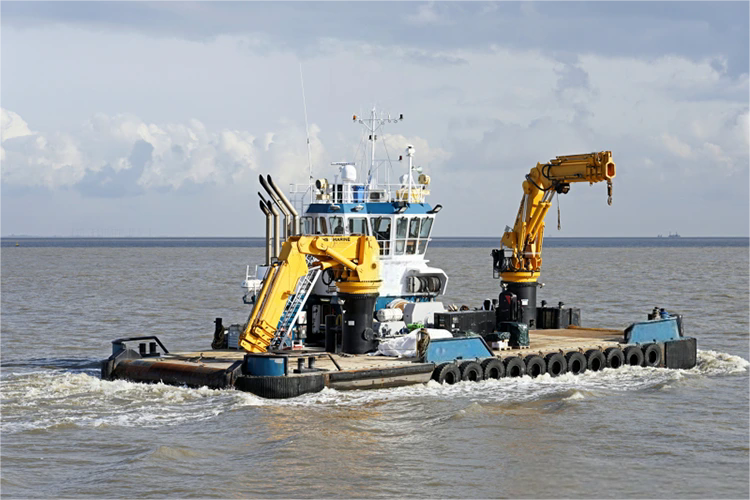
A Multifunctional Service Vessel offers a practical solution by combining multiple operational capabilities into a single platform. Designed to perform a wide range of marine tasks, these vessels help businesses improve productivity, reduce equipment deployment expenses, and maximize project flexibility.
In this article, we will explore how multifunctional service vessels work, their key advantages, applications, and factors to consider when selecting the right vessel for your project.
Article Summary
- Understand what a Multifunctional Service Vessel is.
- Learn how it reduces operational costs.
- Explore its major applications across marine industries.
- Compare traditional fleets with multifunctional solutions.
- Discover key factors for vessel selection.
- Review frequently asked questions from buyers and operators.
Table of Contents
- What Is a Multifunctional Service Vessel?
- Common Challenges in Marine Operations
- Key Benefits of Multifunctional Service Vessels
- Major Applications
- Traditional Fleet vs. Multifunctional Vessel
- How to Choose the Right Vessel
- Future Trends in Multifunctional Marine Solutions
- Frequently Asked Questions
- Conclusion
What Is a Multifunctional Service Vessel?
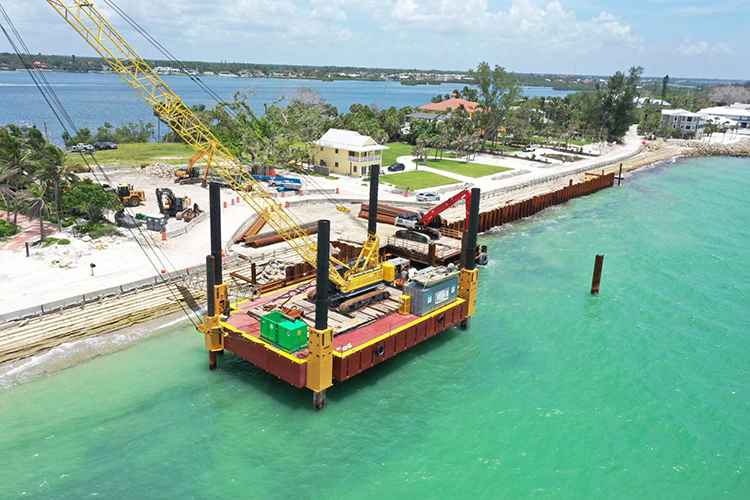
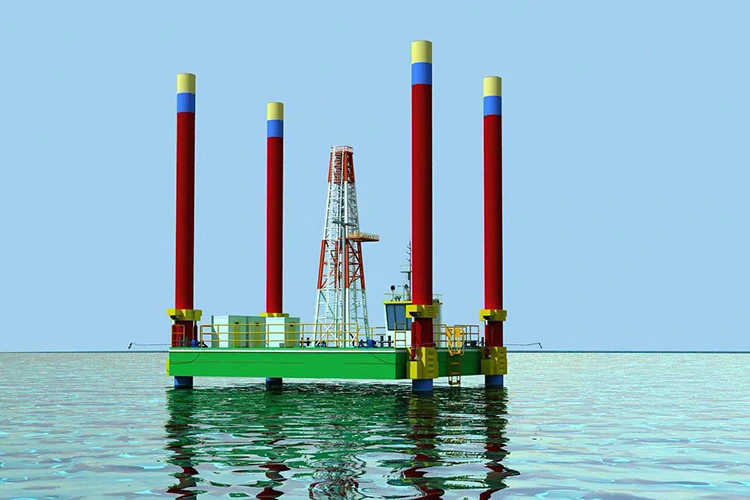
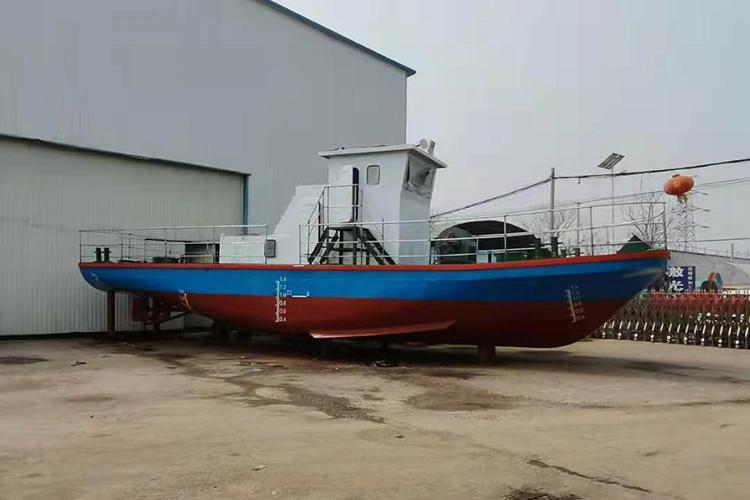
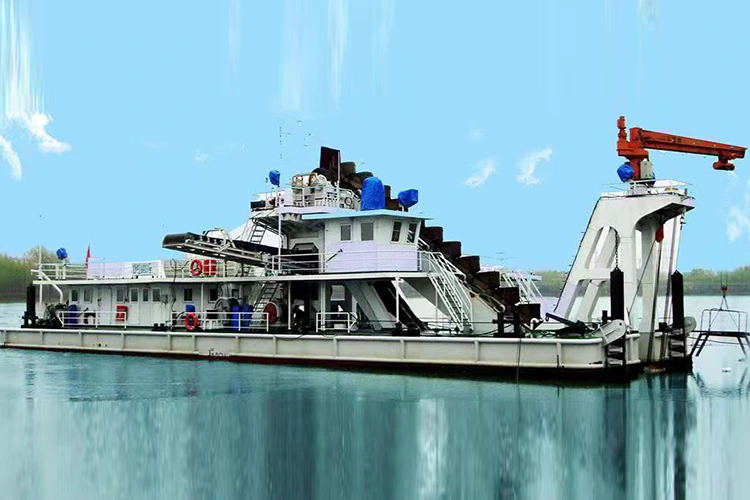
A Multifunctional Service Vessel (MSV) is a specially engineered marine platform capable of supporting multiple operational functions within a single vessel. Unlike conventional vessels designed for one specific task, an MSV can be configured to perform various activities such as transportation, dredging support, construction assistance, equipment handling, crew transfer, cargo delivery, offshore maintenance, and emergency response.
The vessel's modular design allows operators to customize onboard equipment according to project requirements. This flexibility significantly reduces the need for deploying multiple vessels simultaneously.
| Feature | Traditional Vessel | Multifunctional Service Vessel |
|---|---|---|
| Primary Function | Single-purpose | Multi-purpose |
| Equipment Flexibility | Limited | Highly adaptable |
| Operational Efficiency | Moderate | High |
| Fleet Requirement | Multiple vessels | Fewer vessels |
| Project Cost | Higher | Lower |
Common Challenges in Marine Operations
Marine contractors often face operational difficulties that affect project profitability and scheduling. Some of the most common challenges include:
- High vessel mobilization and demobilization costs.
- Limited availability of specialized vessels.
- Complex fleet coordination requirements.
- Unexpected weather-related disruptions.
- Rising fuel and maintenance expenses.
- Long project timelines caused by equipment changes.
- Safety risks associated with multiple vessel movements.
When different tasks require different vessels, operators may spend considerable resources coordinating logistics rather than focusing on productive work. Multifunctional Service Vessels are specifically designed to address these issues.
Key Benefits of Multifunctional Service Vessels
1. Reduced Operational Costs
One of the biggest advantages of a multifunctional vessel is cost efficiency. By integrating several functions into one platform, operators can reduce charter expenses, fuel consumption, crew requirements, and maintenance costs.
Instead of hiring separate vessels for transportation, lifting support, construction assistance, and maintenance activities, a single vessel can perform multiple duties throughout the project lifecycle.
2. Improved Project Flexibility
Marine projects frequently experience changing requirements. A multifunctional vessel can adapt quickly to different operational needs without requiring major fleet adjustments.
This adaptability enables project managers to respond faster to unexpected challenges and changing schedules.
3. Enhanced Resource Utilization
Traditional vessels often remain idle while waiting for their designated tasks. Multifunctional vessels can continue supporting various operations, maximizing equipment utilization and improving return on investment.
4. Increased Safety
Reducing the number of vessels operating simultaneously lowers navigational complexity and minimizes the risk of collisions, communication failures, and operational accidents.
Centralized operations also simplify project management and emergency response procedures.
5. Faster Project Completion
Since multiple tasks can be performed using the same platform, project workflows become more streamlined. Equipment transfers, vessel scheduling, and operational transitions can be completed much faster.
Major Applications of Multifunctional Service Vessels
The versatility of multifunctional service vessels makes them suitable for a wide range of marine industries.
| Industry | Typical Applications |
|---|---|
| Offshore Construction | Equipment transport, installation support, crew accommodation |
| Dredging Projects | Material transport, dredge support, maintenance operations |
| Port Development | Infrastructure construction and logistics support |
| Coastal Engineering | Breakwater construction and shoreline protection |
| Renewable Energy | Wind farm installation and maintenance support |
| Government Projects | Inspection, patrol, emergency response, logistics |
| Marine Salvage | Recovery operations and equipment deployment |
Traditional Fleet vs. Multifunctional Vessel
Understanding the differences between conventional fleets and multifunctional service vessels can help buyers make informed decisions.
| Evaluation Factor | Traditional Fleet | Multifunctional Vessel |
|---|---|---|
| Mobilization Complexity | High | Low |
| Project Coordination | Complicated | Simplified |
| Fuel Consumption | Higher | Lower |
| Asset Utilization | Variable | Optimized |
| Operational Flexibility | Limited | Excellent |
| Cost Efficiency | Moderate | High |
How to Choose the Right Multifunctional Service Vessel
Selecting the most suitable vessel requires careful evaluation of operational requirements and long-term project objectives.
Consider the following factors:
- Project Scope: Determine the range of activities the vessel must support.
- Deck Space: Ensure sufficient working and cargo areas.
- Payload Capacity: Match vessel capabilities with project demands.
- Water Depth Requirements: Evaluate draft limitations.
- Environmental Conditions: Consider wave height, current, and weather exposure.
- Equipment Compatibility: Verify support for cranes, dredging systems, winches, and modular structures.
- Regulatory Compliance: Ensure adherence to local and international marine standards.
- Maintenance Requirements: Assess long-term operational costs.
Partnering with an experienced shipbuilder can help ensure the vessel configuration aligns with specific project needs.
Future Trends in Multifunctional Marine Solutions
As marine infrastructure projects become more complex, demand for versatile vessel solutions continues to grow. Future developments are expected to focus on:
- Modular equipment integration.
- Hybrid and energy-efficient propulsion systems.
- Advanced automation technologies.
- Remote monitoring capabilities.
- Smart maintenance systems.
- Enhanced environmental performance.
These innovations will further improve operational efficiency while helping operators meet increasingly stringent environmental and safety standards.
Frequently Asked Questions
Q1: What is the main advantage of a Multifunctional Service Vessel?
The primary advantage is the ability to perform multiple operational tasks using a single vessel, reducing costs and improving project efficiency.
Q2: Can these vessels be customized?
Yes. Many multifunctional vessels feature modular designs that allow equipment and configurations to be adapted for different project requirements.
Q3: Are multifunctional service vessels suitable for offshore projects?
Absolutely. They are widely used in offshore construction, maintenance, renewable energy support, and marine infrastructure development.
Q4: How do they help reduce project costs?
By minimizing the number of vessels required, reducing fuel consumption, lowering crew costs, and simplifying logistics management.
Q5: What industries benefit most from these vessels?
Dredging, offshore construction, port development, coastal engineering, marine transportation, renewable energy, and government marine operations all benefit significantly.
Conclusion
A Multifunctional Service Vessel represents a highly efficient solution for modern marine operations. By combining multiple capabilities into a single platform, these vessels help operators reduce costs, simplify logistics, improve safety, and accelerate project completion. Their flexibility makes them valuable assets for offshore construction, dredging support, port development, coastal engineering, and many other marine applications.
As industry demands continue to evolve, investing in versatile vessel solutions can provide long-term operational and financial advantages. Shandong Haiding Shipbuilding Co., Ltd. specializes in designing and manufacturing high-performance multifunctional marine equipment tailored to diverse project requirements. If you are looking for reliable, customizable, and cost-effective marine vessel solutions, contact us today to discuss your project and discover how our expertise can help maximize your operational success.
Related News
- How Can a Controllable Pitch Propeller Tug Improve Towing Efficiency and Port Maneuverability
- How Can a Jack Up Living Quarter Platform Improve Safety and Efficiency in Offshore Operations
- How Can a Rapidly Emplaced Bridge Transform Emergency Water-Crossing and Infrastructure Recovery
- How Can a Jack Up Wind Farm Installation Platform Transform Offshore Wind Turbine Installation
- How Can Modular Pontoons Transform Modern Marine Construction and Floating Platform Projects
- How Does an Ocean-Going Tug Support Demanding Deep-Sea Operations?
Leave me a message