How Does a Supply Water Intake Floating Ship Enhance Water Management Efficiency?
Article Summary
A supply water intake floating ship is a versatile and efficient solution for water intake, transport, and management in municipal, industrial, and environmental projects. This article explains the structure, working principles, benefits, and selection criteria of these floating vessels. It addresses key customer concerns, such as operational reliability, environmental safety, and cost-effectiveness, providing practical guidance for implementing water intake solutions.
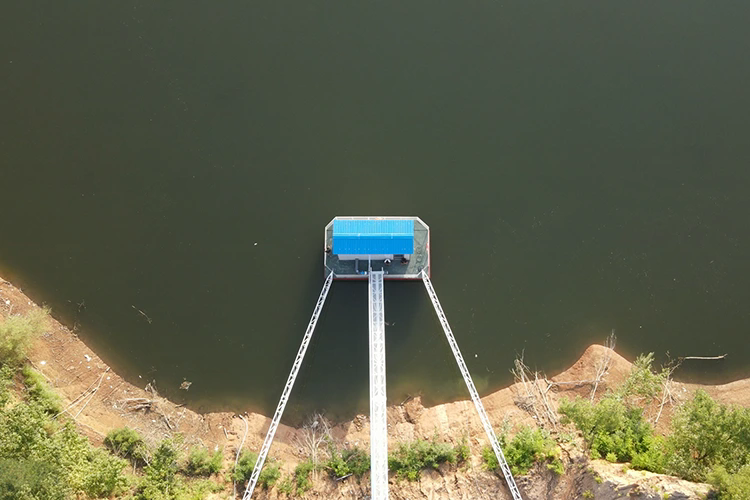
Table of Contents
- 1. What Is a Supply Water Intake Floating Ship?
- 2. How Does a Floating Water Intake Ship Work?
- 3. Key Benefits for Customers
- 4. Technical Parameters and Features
- 5. Types of Water Intake Floating Ships
- 6. How to Choose the Right Floating Ship
- 7. Installation and Maintenance Tips
- 8. Frequently Asked Questions
- 9. Conclusion
1. What Is a Supply Water Intake Floating Ship?
A supply water intake floating ship is a specialized vessel designed to extract water from rivers, lakes, or reservoirs and deliver it to treatment plants, municipal networks, or industrial systems. Unlike fixed intake structures, floating ships offer mobility, operational flexibility, and minimal environmental disruption.
These ships are widely used in water conservancy, hydroelectric projects, municipal water supply, and temporary or emergency water intake scenarios.
2. How Does a Floating Water Intake Ship Work?
The floating water intake ship operates by deploying submerged intake pipes or pumps that draw water into onboard storage or directly into pipelines for treatment. The ship is equipped with stabilizing pontoons, adjustable draft systems, and filtration units to ensure smooth and safe water intake.
- Submersible pumps extract water efficiently from varying depths.
- Onboard filtration prevents debris and sediments from entering the supply system.
- Adjustable ballast and stabilizers maintain vessel stability during operation.
- Monitoring and control systems allow real-time tracking of intake flow and water quality.
3. Key Benefits for Customers
Floating water intake ships provide tangible advantages for both operators and end-users:
- Mobility: Can be relocated according to water source and project requirements.
- Environmental Safety: Minimizes disruption to aquatic ecosystems.
- Operational Flexibility: Works in variable water levels and seasonal conditions.
- Cost Efficiency: Reduces the need for permanent intake structures.
- Emergency Response: Ideal for temporary or disaster-related water supply needs.
4. Technical Parameters and Features
| Parameter | Description |
| Length Overall | 25–80 meters depending on project scale |
| Beam | 6–15 meters |
| Draft | Adjustable to 2–4 meters for shallow or deep waters |
| Water Intake Capacity | 500–5000 m³/hour |
| Pumps | Submersible centrifugal pumps, diesel or electric-driven |
| Filtration | Multi-stage filters for debris and sediment removal |
| Power Supply | Diesel generators or shore-based electrical connection |
| Control System | PLC-based automation with remote monitoring options |
5. Types of Water Intake Floating Ships
Different types of floating ships cater to specific operational requirements:
- Standard Intake Ship: Suited for municipal water supply projects.
- Industrial Supply Ship: Designed for high-capacity water intake for factories or power plants.
- Portable Emergency Ship: Smaller, lightweight vessels for temporary deployments or disaster relief.
- Customized Projects: Designed according to project-specific flow, filtration, and navigational requirements.
6. How to Choose the Right Floating Ship
Choosing the right supply water intake floating ship involves evaluating key factors:
- Project water intake volume and flow requirements
- Water source type and quality (river, lake, reservoir)
- Operational environment (depth, current, sediment load)
- Mobility and docking requirements
- Filtration and pump specifications
- Budget and maintenance capabilities
Consulting a reliable shipbuilding company ensures that the vessel meets operational efficiency and regulatory standards.
7. Installation and Maintenance Tips
Proper installation and routine maintenance ensure reliable performance and long service life:
- Follow docking and mooring instructions for stability
- Check pump and filtration systems before each operation
- Inspect hull and pontoons for wear or corrosion
- Ensure proper ballast adjustments during water intake
- Maintain logs of operational hours and maintenance activities
Regular inspections and preventive maintenance reduce downtime and operational costs.
8. Frequently Asked Questions
Q1: What water depth is required for a floating intake ship?
Most ships operate effectively in depths of 2–10 meters, but designs can be customized for deeper or shallower conditions.
Q2: How mobile are these ships?
Floating water intake ships are fully relocatable, allowing them to serve multiple sites within a project or respond to emergency needs.
Q3: What type of water filtration is used?
Multi-stage filtration including coarse and fine mesh filters, with options for sedimentation or chemical treatment if required.
Q4: Are they environmentally friendly?
Yes. Floating ships minimize the need for permanent intake structures, reduce riverbed disturbance, and allow careful management of aquatic ecosystems.
9. Conclusion
Supply water intake floating ships offer a flexible, efficient, and environmentally conscious solution for water intake in municipal, industrial, and emergency projects. Their mobility, operational reliability, and advanced filtration systems make them a valuable investment for any water management plan.
Shandong Haiding Shipbuilding Co., Ltd. provides custom-designed floating ships built for high performance, durability, and ease of operation.
For a professional water intake solution tailored to your project, contact us today to discuss your requirements and explore our full range of floating water intake ships.
Related News
- How Can a Controllable Pitch Propeller Tug Improve Towing Efficiency and Port Maneuverability
- How Can a Jack Up Living Quarter Platform Improve Safety and Efficiency in Offshore Operations
- How Can a Rapidly Emplaced Bridge Transform Emergency Water-Crossing and Infrastructure Recovery
- How Can a Jack Up Wind Farm Installation Platform Transform Offshore Wind Turbine Installation
- How Can Modular Pontoons Transform Modern Marine Construction and Floating Platform Projects
- How Does an Ocean-Going Tug Support Demanding Deep-Sea Operations?
Leave me a message