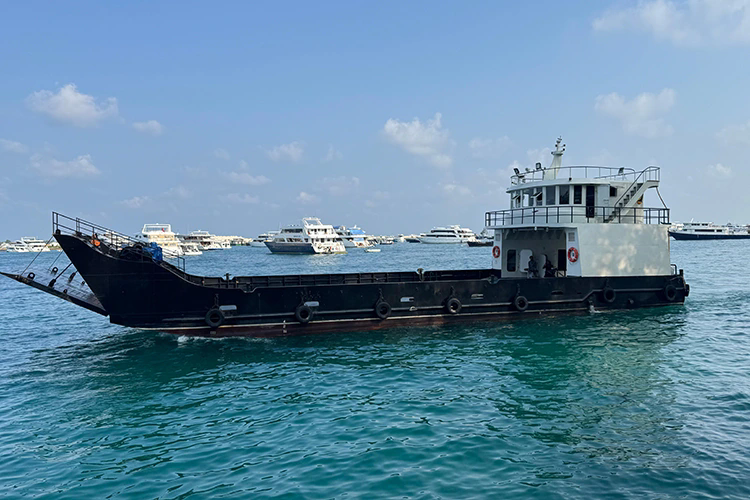
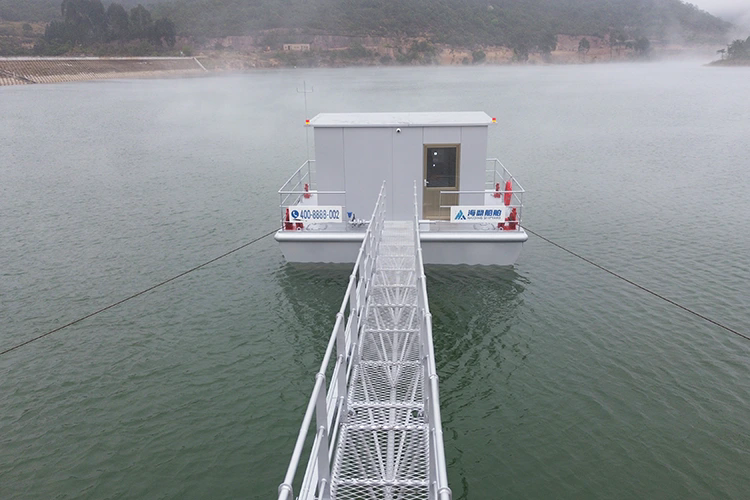
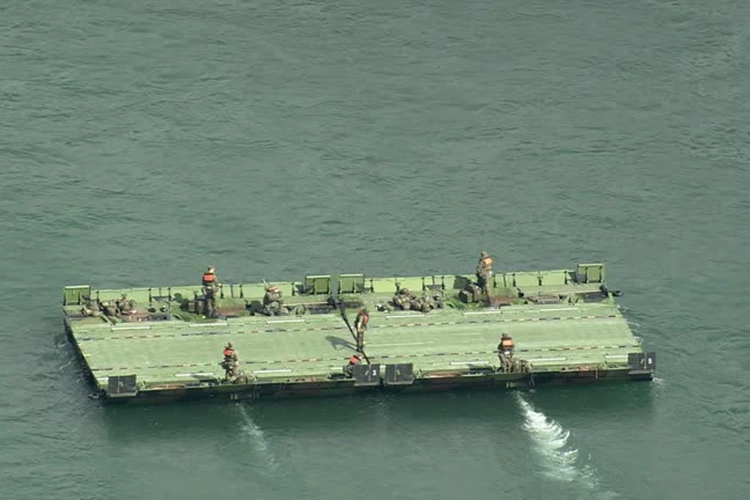
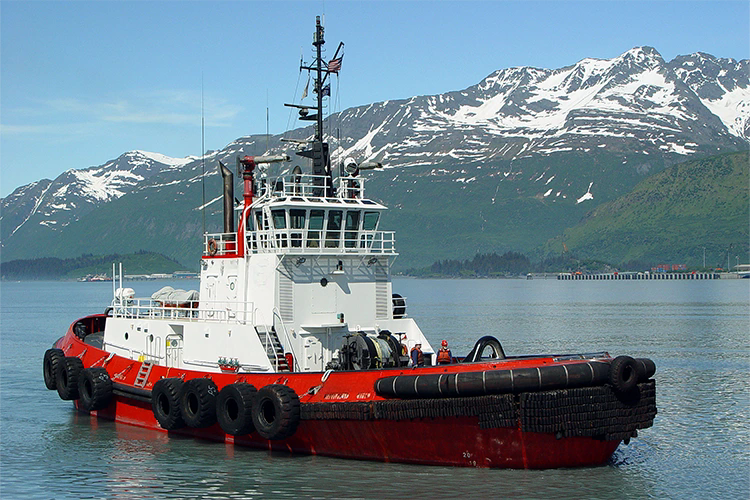
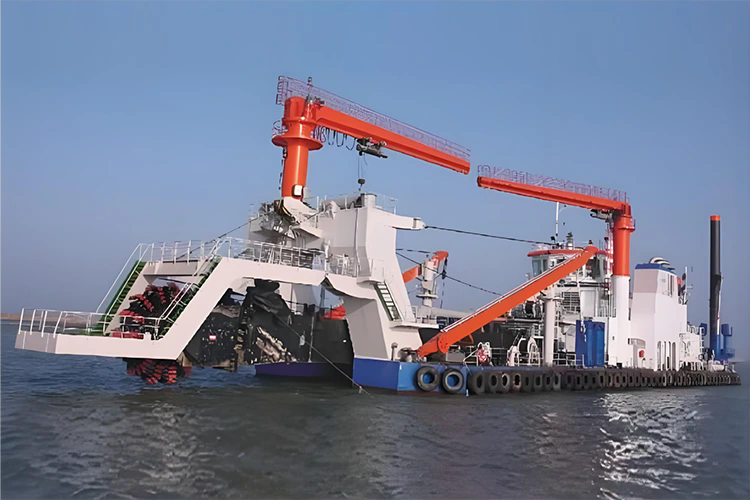
On the vast rivers and seas, when you see towering ships gracefully docking, or a long line of barges sailing in orderly fashion like a train, there is often a seemingly small yet incredibly powerful vessel behind them—compact in shape, with a towering bridge, stern rollers turning, and taut mooring lines. This is the tugboat, the indispensable "unsung hero" and "power core" of port and inland waterway transportation.
Definition and Core Mission: From "Tugboat" to "Multi-functional Platform"
A tugboat, also known as a port tugboat or simply a tugboat, is a special work vessel designed to provide thrust and pull. Unlike traditional self-propelled cargo ships, its core value lies not in loading, but in "exerting force." Its mission is broad and crucial:
Ship berthing assistance: Assisting cargo ships, tankers, and container ships far exceeding their own size to safely berth and depart from docks, acting as the "precision maneuvering hand of giant ships."
Tug transport: Towing barges, floating cranes, platforms, and even out-of-control vessels with no or insufficient power, acting as the locomotive of the "water train" of inland waterways and coastal areas.
Specialized Operations: Serving as a mobile platform for emergency rescue and specialized operations, participating in maritime rescue, firefighting, icebreaking, and escort missions.
Modern Expansion: In offshore wind power and marine engineering, it acts as the core of a dynamic positioning support vessel, enabling precise hovering of the platform or ship in wind and waves.
Unique Structure: Born for "Power" and "Maneuverability" The design of the tugboat embodies functional orientation in every aspect, with distinctive structural features:
Compact and Robust Hull: Typically short and wide with a deep draft, to provide enormous thrust while maintaining excellent stability. The stern often features a large-diameter stern roller and sturdy mooring bollards for deploying, retrieving, and securing the towline.
Powerful "Heart": Equipped with a high-power, low-to-medium speed diesel engine, its horsepower output far exceeds that of vessels of the same size. To achieve extremely high drag, modern tugboats generally employ omnidirectional propulsion systems, such as:
Z-drive or Azipod: The propeller and rudder are integrated, allowing for 360-degree horizontal rotation and thrust in any direction.
Tunnel Thruster and Bow Thruster: Mounted transversely at the bow and stern, providing lateral thrust for lateral movement and turning on the spot.
High-ceilinged bridge: To provide unobstructed omnidirectional visibility and facilitate close proximity to larger vessels, the bridge is typically located at the highest point of the hull, offering excellent visibility.
Core equipment—towing winch and mooring system: Equipped with a high-capacity towing winch that can automatically deploy and adjust tension. Advanced systems can automatically maintain constant cable tension according to instructions, ensuring safe and stable operation.
We use cookies to offer you a better browsing experience, analyze site traffic and personalize content. By using this site, you agree to our use of cookies. Privacy Policy