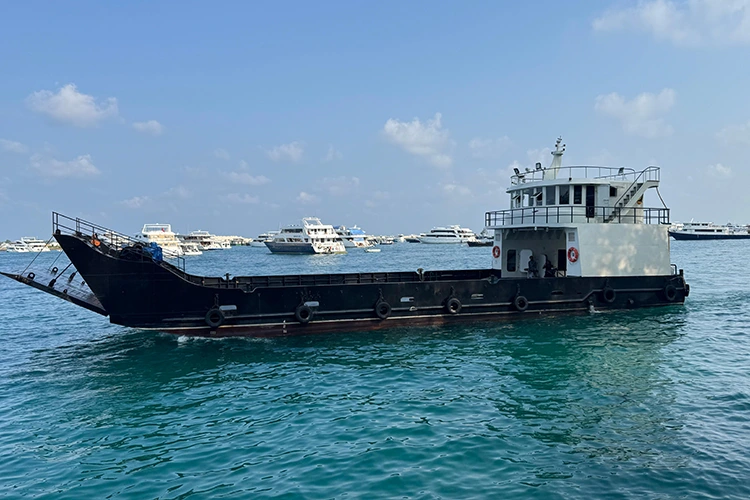
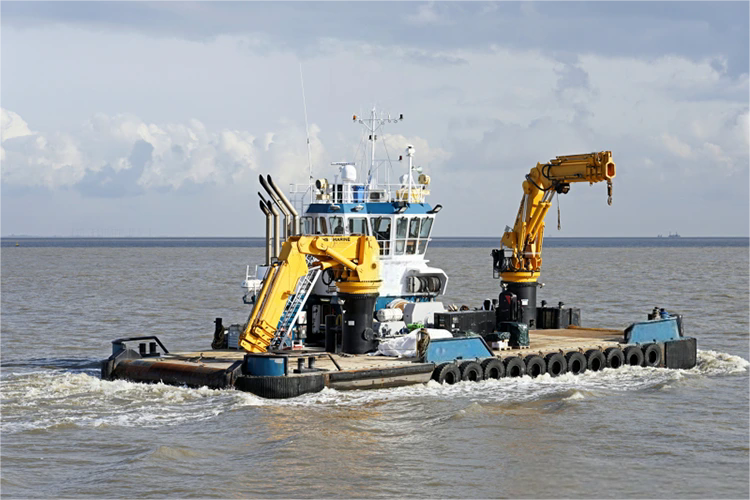
How Does a Water Purification Pumping Station Improve Clean Water Supply Efficiency?
Access to clean and stable water supplies is critical for municipalities, industrial facilities, coastal projects, offshore platforms, and emergency infrastructure systems. A modern Water Purification Pumping Station combines water treatment, transportation, storage, and pressure control into one integrated solution, helping operators maintain reliable water distribution while reducing operational costs and maintenance risks.
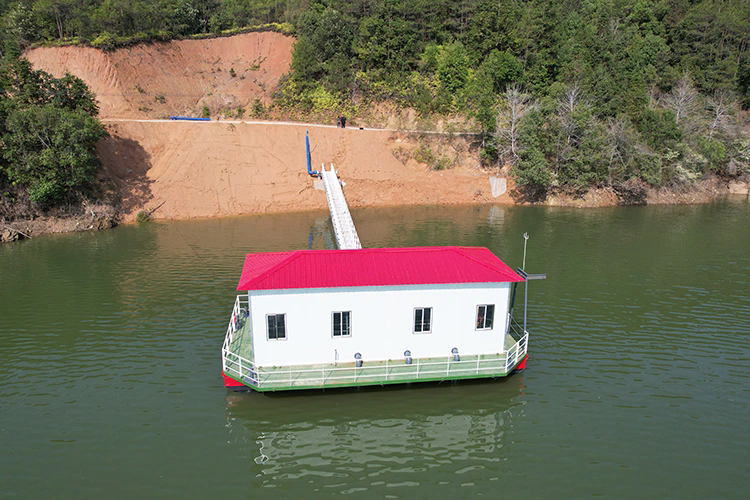
Shandong Haiding Shipbuilding Co., Ltd. specializes in advanced modular engineering solutions and customized water infrastructure systems designed for demanding environments. Whether for marine applications, floating platforms, industrial water management, or remote utility projects, a well-designed pumping station can significantly improve efficiency, water quality, and long-term reliability.
Article Summary
This article explains how a Water Purification Pumping Station works, its major components, operational advantages, installation considerations, maintenance requirements, and how businesses can benefit from modern modular pumping technologies. It also explores common customer challenges and practical solutions for improving water treatment performance and distribution efficiency.
Contents
- What Is a Water Purification Pumping Station?
- How Does a Water Purification Pumping Station Work?
- Main Components of a Pumping Station
- Common Customer Pain Points
- Benefits of Modern Modular Pumping Stations
- Applications Across Different Industries
- How to Choose the Right Pumping Station
- Maintenance and Operational Tips
- Comparison Table
- Frequently Asked Questions
- Conclusion
What Is a Water Purification Pumping Station?
A Water Purification Pumping Station is a specialized infrastructure system designed to collect, treat, pressurize, and distribute water efficiently. It integrates purification technologies with high-performance pumping systems to ensure consistent water quality and stable flow rates.
These stations are commonly used in:
- Municipal water supply projects
- Industrial processing facilities
- Marine and offshore environments
- Mining operations
- Agricultural irrigation systems
- Emergency disaster relief systems
- Remote island infrastructure
- Floating water treatment platforms
Unlike conventional standalone pumping systems, integrated purification pumping stations streamline water treatment and transportation into a compact and efficient structure.
How Does a Water Purification Pumping Station Work?
The operating process typically begins with raw water intake from rivers, lakes, reservoirs, seawater sources, or underground wells. The water then passes through several purification stages before being pumped into distribution networks.
- Raw water collection and intake
- Preliminary filtration and sediment removal
- Chemical or biological purification treatment
- Fine filtration and sterilization
- Pressure regulation and pumping
- Distribution to end users or storage systems
Advanced systems may also include automation technology, remote monitoring, smart sensors, variable frequency drives, and emergency backup power systems to maintain stable operation under changing demand conditions.
Main Components of a Water Purification Pumping Station
| Component | Function |
|---|---|
| Water Intake System | Collects raw water from the source |
| Filtration Unit | Removes particles, sediment, and impurities |
| Purification Equipment | Treats bacteria, chemicals, and contaminants |
| Pumping System | Maintains pressure and water movement |
| Control System | Monitors operations and automates processes |
| Storage Tank | Balances water demand fluctuations |
| Backup Power Unit | Ensures operation during power outages |
Common Customer Pain Points
Many organizations struggle with aging water infrastructure, unstable water pressure, contamination risks, and expensive maintenance requirements. Traditional pumping systems often suffer from inefficiency, corrosion problems, and high operational downtime.
Common challenges include:
- Unstable water pressure during peak demand
- Frequent equipment failures
- High energy consumption
- Complex installation requirements
- Water contamination risks
- Difficulty operating in remote areas
- Limited scalability for future expansion
- High labor and maintenance costs
Modern modular pumping stations address these issues by providing integrated, compact, and highly automated systems that improve reliability and operational efficiency.
Benefits of Modern Modular Pumping Stations
Modular water purification pumping stations are becoming increasingly popular because they simplify transportation, installation, and future upgrades.
| Benefit | Description |
|---|---|
| Fast Deployment | Pre-engineered modules reduce installation time |
| Lower Maintenance | Integrated systems reduce component wear |
| Energy Efficiency | Modern pumps minimize power consumption |
| Scalability | Additional modules can be added easily |
| Remote Monitoring | Smart systems allow real-time diagnostics |
| Space Optimization | Compact structures reduce footprint |
| Corrosion Resistance | Marine-grade materials improve durability |
Shandong Haiding Shipbuilding Co., Ltd. focuses on durable modular engineering solutions suitable for both land-based and marine environments. Their systems are designed to operate efficiently under harsh environmental conditions while maintaining stable water purification performance.
Applications Across Different Industries
Water Purification Pumping Stations serve a wide range of industries where reliable clean water access is essential.
Municipal Infrastructure
Cities and towns use pumping stations to maintain stable residential water distribution and improve public sanitation systems.
Marine and Offshore Projects
Offshore platforms, floating docks, and marine construction sites often require modular purification systems capable of handling saltwater exposure and challenging weather conditions.
Industrial Manufacturing
Factories rely on purified water for cooling systems, chemical processing, cleaning operations, and equipment protection.
Agricultural Irrigation
Purified water distribution systems improve irrigation quality while protecting crops from contamination and sediment buildup.
Emergency Relief Operations
Portable and modular pumping stations can rapidly provide clean water during natural disasters and humanitarian emergencies.
How to Choose the Right Water Purification Pumping Station
Selecting the right system requires careful analysis of operational requirements, water quality standards, and environmental conditions.
Important factors to consider include:
- Daily water demand capacity
- Water source quality
- Environmental conditions
- Energy consumption requirements
- Automation and monitoring features
- Corrosion resistance standards
- Available installation space
- Future expansion capability
Companies operating in coastal or offshore environments should prioritize corrosion-resistant materials and modular structural designs to ensure long service life.
Maintenance and Operational Tips
Proper maintenance is essential for maximizing pumping station performance and preventing unexpected downtime.
- Inspect pumps and valves regularly
- Monitor filtration efficiency
- Clean storage tanks periodically
- Check sensor calibration accuracy
- Test emergency backup systems
- Monitor energy consumption trends
- Replace worn seals and bearings promptly
Preventive maintenance strategies help extend equipment lifespan while reducing operational disruptions and repair costs.
Comparison Between Traditional and Modular Systems
| Feature | Traditional System | Modular System |
|---|---|---|
| Installation Time | Long | Short |
| Mobility | Limited | High |
| Maintenance Complexity | Higher | Lower |
| Expansion Flexibility | Difficult | Easy |
| Energy Efficiency | Moderate | High |
| Remote Monitoring | Limited | Advanced |
Frequently Asked Questions
1. What is the primary purpose of a Water Purification Pumping Station?
Its primary purpose is to purify water and distribute it efficiently through pressurized pumping systems while maintaining stable water quality.
2. Can modular pumping stations operate in offshore environments?
Yes. Many modular systems are specifically designed with corrosion-resistant materials for offshore and marine applications.
3. How often should pumping station equipment be maintained?
Routine inspections should typically occur monthly, while major preventive maintenance schedules may vary depending on operating conditions.
4. Are automated control systems necessary?
Automated systems improve efficiency, reduce labor costs, and provide real-time monitoring for faster issue detection.
5. Can pumping stations be customized?
Yes. Shandong Haiding Shipbuilding Co., Ltd. provides customized modular water purification solutions based on project requirements, environmental conditions, and capacity demands.
Conclusion
A modern Water Purification Pumping Station plays a vital role in ensuring efficient, safe, and reliable water distribution across multiple industries. By integrating purification systems with intelligent pumping technologies, organizations can reduce operational costs, improve water quality, and increase infrastructure reliability.
Modular solutions developed by Shandong Haiding Shipbuilding Co., Ltd. offer enhanced flexibility, faster deployment, and superior durability for both land-based and marine projects. As water demand continues to grow worldwide, investing in efficient pumping infrastructure becomes increasingly important for long-term operational success.
Looking for a reliable modular Water Purification Pumping Station solution for your next project? Shandong Haiding Shipbuilding Co., Ltd. can provide customized engineering support, durable modular systems, and professional technical services tailored to your operational needs. Contact us today to discuss your project requirements and discover how our advanced pumping station solutions can improve your water infrastructure efficiency.
Related News
- How Can a Controllable Pitch Propeller Tug Improve Towing Efficiency and Port Maneuverability
- How Can a Jack Up Living Quarter Platform Improve Safety and Efficiency in Offshore Operations
- How Can a Rapidly Emplaced Bridge Transform Emergency Water-Crossing and Infrastructure Recovery
- How Can a Jack Up Wind Farm Installation Platform Transform Offshore Wind Turbine Installation
- How Can Modular Pontoons Transform Modern Marine Construction and Floating Platform Projects
- How Does an Ocean-Going Tug Support Demanding Deep-Sea Operations?
Leave me a message