How Does an Ocean-Going Tug Enhance Maritime Operations?
Article Abstract
Ocean-going tugs are specialized vessels designed to assist in complex maritime operations, including towing, salvage, and offshore support. Their reliability, power, and adaptability make them essential for both commercial shipping and emergency maritime situations. This article explores the design, operational capabilities, technical parameters, and practical applications of ocean-going tugs, offering insights to help decision-makers select the appropriate vessel for their needs.

Table of Contents
- Article Outline
- Overview of Ocean-Going Tugs
- Design and Operational Features
- Technical Parameters and Specifications
- Practical Applications
- Frequently Asked Questions
- Conclusion and Contact Information
Article Outline
- Introduction to ocean-going tugs
- Structural and propulsion design considerations
- Key technical specifications and operational capabilities
- Applications in towing, salvage, and offshore support
- Safety and regulatory compliance
- FAQ addressing common client concerns
- Brand reference and contact guidance
Overview of Ocean-Going Tugs
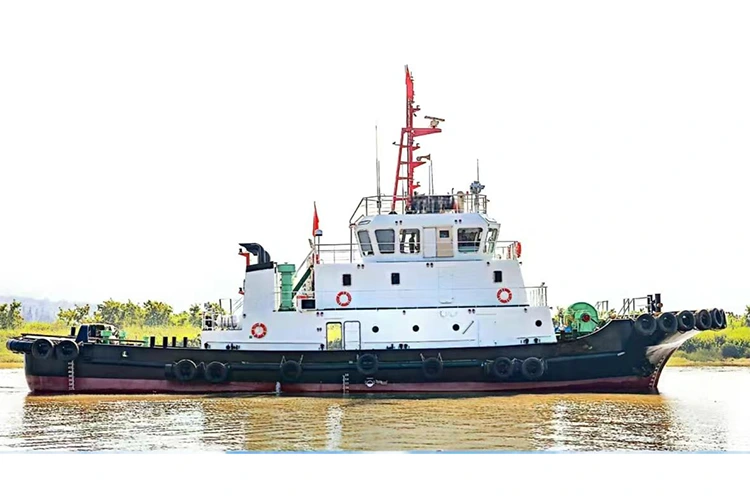
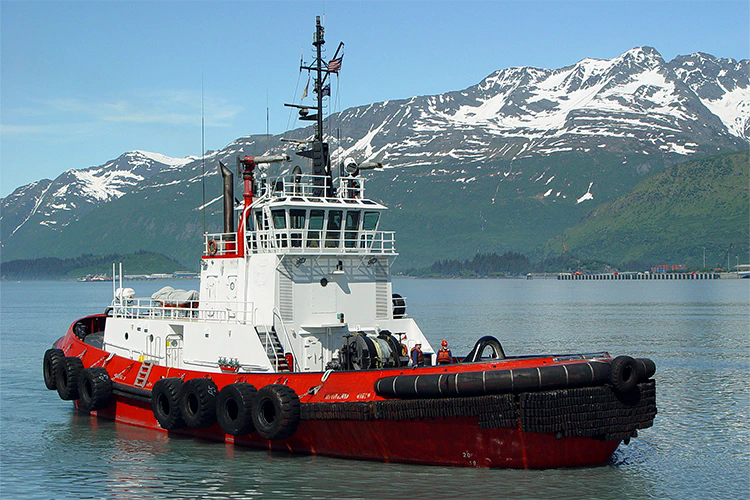
Ocean-going tugs are robust vessels engineered to operate in deep-sea and coastal waters. Their primary function is to provide towing services for large ships, barges, and offshore platforms, ensuring navigational safety and operational efficiency. These tugs are built to handle harsh marine environments, including high waves, strong currents, and heavy loads.
The vessels are equipped with powerful engines, reinforced hull structures, and advanced navigation systems. Ocean-going tugs play a critical role in both routine maritime operations and emergency response scenarios, providing towing, rescue, and escort services that mitigate risks associated with maritime transportation.
Design and Operational Features
The design of an ocean-going tug focuses on power, stability, and durability. Key components include:
- Hull Construction: Reinforced steel or high-strength alloy for durability and impact resistance.
- Propulsion System: High-powered diesel engines, azimuth thrusters, or Voith Schneider Propellers for maximum maneuverability.
- Towing Equipment: Winches, towing hooks, and heavy-duty ropes designed for heavy loads.
- Navigation Systems: GPS, radar, and integrated communication systems for safe operation in complex maritime conditions.
- Safety Features: Life-saving appliances, fire-fighting equipment, and emergency response protocols.
Operational efficiency is enhanced through optimized deck layouts, low-center-of-gravity designs for stability, and ergonomically designed control cabins that provide clear visibility and accessibility for operators.
Technical Parameters and Specifications
Understanding the technical parameters of ocean-going tugs is essential for selecting the right vessel for specific maritime operations.
| Parameter | Specification Range |
|---|---|
| Length Overall (LOA) | 25–45 meters |
| Beam | 8–12 meters |
| Draft | 3–5 meters |
| Engine Power | 2,000–6,000 kW |
| Bollard Pull | 50–120 tons |
| Speed | 12–16 knots |
| Design Life | 25 Years |
These specifications ensure that ocean-going tugs are capable of handling the rigorous demands of towing and offshore support, even under extreme weather conditions.
Practical Applications
Ocean-going tugs are employed across various maritime sectors. Common applications include:
- Towing Operations: Assisting large vessels, oil rigs, and barges in both open seas and harbors.
- Salvage Missions: Supporting rescue operations for stranded or damaged vessels.
- Offshore Support: Assisting oil platforms, wind farms, and construction barges with positioning and maneuvering.
- Escort Services: Guiding ships through narrow channels or hazardous waters to prevent collisions and accidents.
These applications demonstrate the versatility and critical importance of ocean-going tugs in maritime logistics and safety management.
Frequently Asked Questions
Q: How does an ocean-going tug achieve high towing capacity?
A: High towing capacity is achieved through powerful diesel engines, reinforced hulls, and heavy-duty towing equipment, enabling the tug to pull large vessels under challenging sea conditions.
Q: Are ocean-going tugs suitable for extreme weather?
A: Yes. They are designed to operate in high waves, strong winds, and adverse sea conditions, with reinforced hulls and stability-enhancing design features.
Q: What safety features are included on ocean-going tugs?
A: Ocean-going tugs are equipped with life-saving appliances, fire-fighting systems, emergency communication tools, and crew protection mechanisms to ensure operational safety.
Conclusion and Contact Information
Ocean-going tugs are indispensable assets in maritime operations, providing towing, salvage, offshore support, and escort services with reliability and efficiency. Their robust design, advanced propulsion systems, and operational versatility make them critical for both commercial and emergency maritime applications.
Shandong Haiding Shipbuilding Co., Ltd. offers a range of ocean-going tugs engineered for performance, safety, and durability. For inquiries about vessel specifications, project consultation, or customized maritime solutions, please contact us to discuss your requirements and explore collaboration opportunities.
Related News
- How Can a Controllable Pitch Propeller Tug Improve Towing Efficiency and Port Maneuverability
- How Can a Jack Up Living Quarter Platform Improve Safety and Efficiency in Offshore Operations
- How Can a Rapidly Emplaced Bridge Transform Emergency Water-Crossing and Infrastructure Recovery
- How Can a Jack Up Wind Farm Installation Platform Transform Offshore Wind Turbine Installation
- How Can Modular Pontoons Transform Modern Marine Construction and Floating Platform Projects
- How Does an Ocean-Going Tug Support Demanding Deep-Sea Operations?
Leave me a message