How Can a Sectional Dredger Improve Waterway Maintenance Efficiency?
Article Abstract
Sectional dredgers are innovative modular vessels designed to enhance the efficiency and flexibility of waterway maintenance projects. These dredgers offer scalable solutions for sediment removal, harbor deepening, and riverbed management. This article explores the technical composition, operational benefits, and practical applications of sectional dredgers while addressing common client concerns and providing detailed specifications to support informed project decisions.

Table of Contents
- Article Outline
- Product Overview and Core Features
- Structural Design and Modular Composition
- Technical Specifications and Operational Metrics
- Applications and Deployment Scenarios
- Sectional Dredger FAQ
- Conclusion and Contact Information
Article Outline
- Introduction to sectional dredgers and project significance
- Modular structure and engineering design
- Operational capacity and performance parameters
- Application scenarios in rivers, harbors, and industrial waterways
- Installation, deployment, and maintenance best practices
- Frequently asked questions about sectional dredgers
- Brand mention and contact information
Product Overview and Core Features
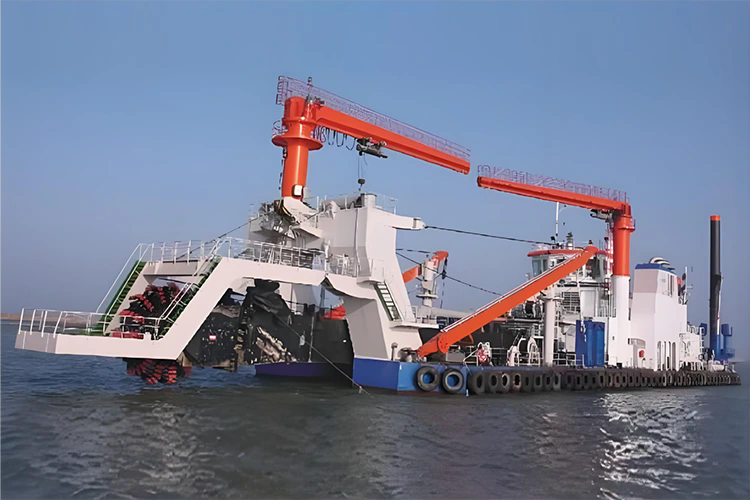
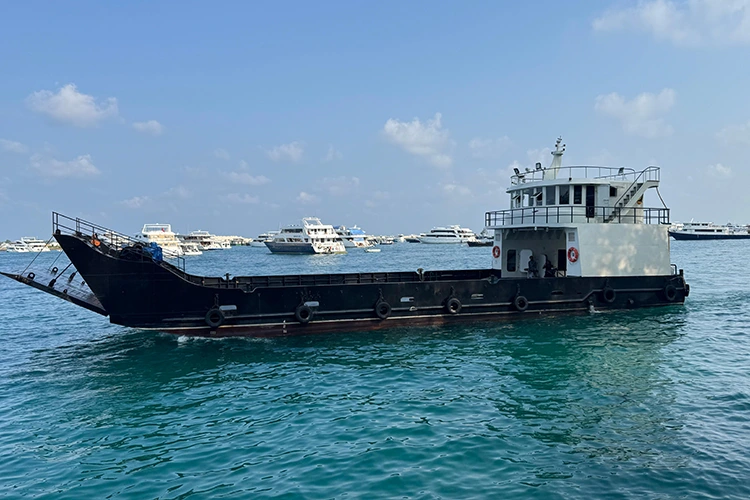
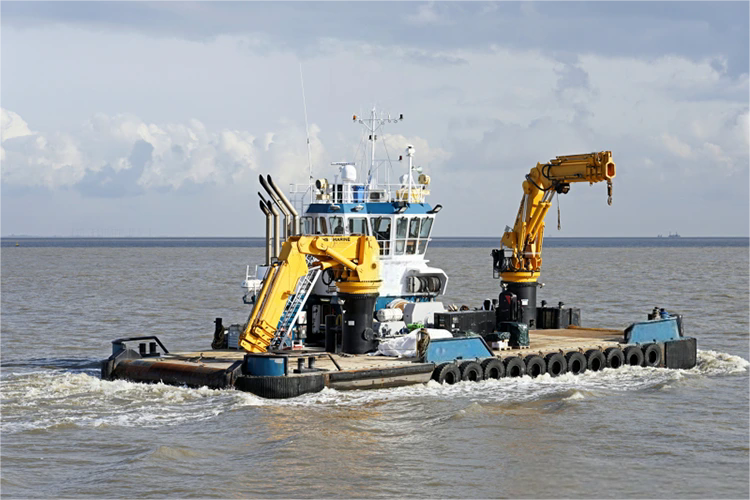
A sectional dredger is a modular vessel designed for efficient dredging operations in various water environments. Its modular design allows for flexible deployment, easy transportation, and rapid assembly. Unlike traditional dredgers, sectional dredgers can be customized to match the scale and depth requirements of specific projects, making them suitable for rivers, canals, harbors, and industrial facilities.
The primary purpose of a sectional dredger is to remove sediment, sand, and debris while minimizing operational downtime. By utilizing modular construction, these dredgers can be expanded or reconfigured according to project needs, providing a cost-effective solution for recurring dredging operations.
Structural Design and Modular Composition
Sectional dredgers consist of interconnected modules that can be transported separately and assembled on-site. Each module serves a specific function and contributes to the overall efficiency and stability of the vessel.
- Hull modules for buoyancy and structural integrity
- Dredging modules including cutter heads and suction pipes
- Power modules housing engines and hydraulic systems
- Control modules for navigation and operational management
- Storage and discharge modules for sediment handling
The modular design ensures that each section can be upgraded or replaced independently, reducing maintenance costs and extending the operational lifespan of the dredger. Structural integrity is reinforced through standardized connection mechanisms, enabling safe operation in various water conditions.
Technical Specifications and Operational Metrics
Technical specifications of sectional dredgers define their operational capabilities and project suitability. These metrics are critical for project planning, cost estimation, and performance assurance.
| Parameter | Specification Range |
|---|---|
| Length per Module | 10–15 meters |
| Dredging Depth | Up to 15 meters |
| Dredging Capacity | 500–2000 m³/hour |
| Engine Power | 200–800 kW per module |
| Material | Marine-grade steel, corrosion-resistant coatings |
| Operational Lifespan | 25 years |
| Deployment Flexibility | Modular, scalable, easily transported |
These specifications ensure that sectional dredgers can be tailored to specific project scales while providing reliable performance under challenging environmental conditions.
Applications and Deployment Scenarios
Sectional dredgers are suitable for a wide range of applications, offering flexibility and efficiency for multiple waterway maintenance projects.
- Riverbed deepening to improve navigability
- Harbor maintenance for shipping lane clearance
- Industrial waterway dredging to prevent sediment accumulation
- Environmental projects such as sediment remediation and wetland restoration
- Rapid deployment in areas with limited access or transport restrictions
Their modular design allows for easy reconfiguration to adapt to varying water depths, sediment types, and project sizes, making them ideal for both short-term maintenance and long-term operational plans.
Sectional Dredger FAQ
Q: What is the advantage of a sectional dredger compared to traditional dredgers?
A: Sectional dredgers offer modular construction, enabling flexible deployment, easier transport, and customizable capacity, which significantly reduces operational costs and downtime.
Q: How quickly can a sectional dredger be assembled and deployed?
A: Depending on project scale, sectional dredgers can be assembled on-site within 2–5 days, allowing rapid response to urgent dredging requirements.
Q: Are sectional dredgers suitable for all waterway types?
A: Yes, modular dredgers can be configured for rivers, canals, harbors, and industrial waterways, with depth and capacity adjusted to match project requirements.
Conclusion and Contact Information
Sectional dredgers provide an adaptable, efficient solution for sediment management and waterway maintenance. Their modular design, combined with high operational capacity, ensures effective dredging performance across diverse project scenarios.
Shandong Haiding Shipbuilding Co., Ltd. specializes in designing and manufacturing sectional dredgers that meet the demands of modern waterway projects. For detailed technical consultation, project-specific customization, or partnership opportunities, please contact us to explore tailored solutions and support your operational goals.
Related News
- How Can a Controllable Pitch Propeller Tug Improve Towing Efficiency and Port Maneuverability
- How Can a Jack Up Living Quarter Platform Improve Safety and Efficiency in Offshore Operations
- How Can a Rapidly Emplaced Bridge Transform Emergency Water-Crossing and Infrastructure Recovery
- How Can a Jack Up Wind Farm Installation Platform Transform Offshore Wind Turbine Installation
- How Can Modular Pontoons Transform Modern Marine Construction and Floating Platform Projects
- How Does an Ocean-Going Tug Support Demanding Deep-Sea Operations?
Leave me a message