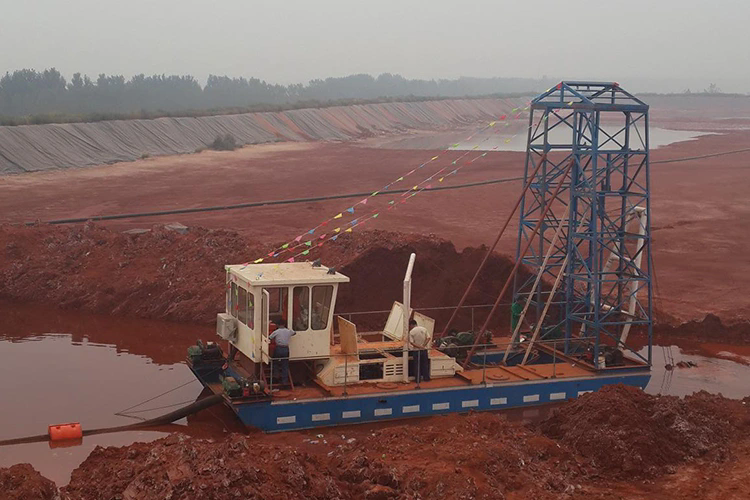
How Does an Inland River Tugboat Transform Modern Waterway Logistics?
Abstract
Inland river tugboats are essential assets in modern inland water transportation systems. They are engineered to push or tow barges carrying bulk cargo such as coal, construction materials, grain, and industrial equipment along rivers and canals. This article explores how inland river tugboats operate, their technical advantages, operational challenges, and real-world applications. It also highlights how they contribute to efficient logistics networks, reduce transportation costs, and support sustainable inland shipping systems.
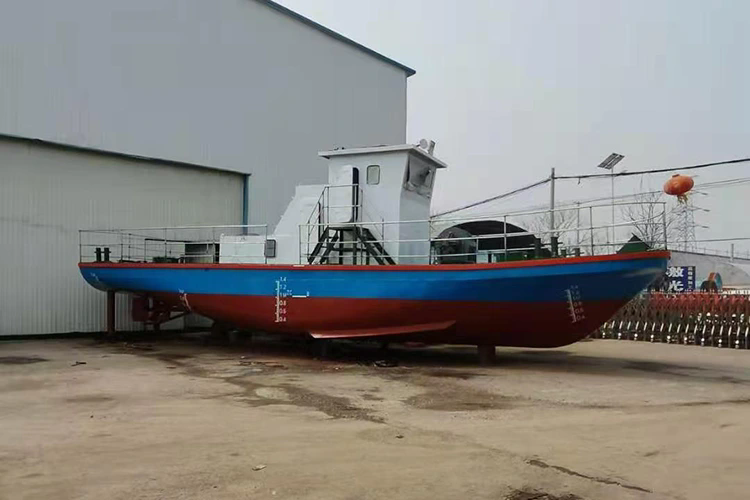
Table of Contents
- Article Outline
- Understanding Inland River Tugboats
- Core Functions of Tugboats
- How Inland River Tugboats Operate Efficiently
- Key Advantages
- Technical Specifications Overview
- Operational Challenges
- Solutions and Best Practices
- Applications in Modern Logistics
- Frequently Asked Questions
- Conclusion
Article Outline
This article is structured to provide a comprehensive understanding of inland river tugboats, beginning with foundational concepts and progressing through technical operations, advantages, challenges, and industry applications. It concludes with practical insights and answers to common questions.
Understanding Inland River Tugboats
An inland river tugboat is a specialized vessel designed to maneuver barges and other non-self-propelled vessels across rivers, lakes, and canal systems. Unlike ocean-going tugboats, inland variants are optimized for shallow draft conditions, narrow waterways, and frequent navigation constraints such as locks and bridges.
These vessels play a critical role in inland logistics networks by acting as the “power units” that move large volumes of cargo efficiently without requiring each barge to have its own propulsion system.
- Shallow draft design for inland waterways
- High bollard pull for towing heavy loads
- Fuel-efficient propulsion systems
- Enhanced maneuverability in narrow channels
Core Functions of Tugboats
Inland river tugboats serve multiple essential functions in logistics and transportation systems:
- Towing and pushing: Moving barges upstream and downstream efficiently
- Convoy formation: Assembling multiple barges into a single flotilla
- Docking assistance: Helping vessels berth safely in ports
- Emergency support: Assisting disabled vessels or managing river obstacles
These functions significantly reduce transportation complexity and operational costs in inland shipping networks.
How Inland River Tugboats Operate Efficiently
The operational efficiency of inland river tugboats depends on a combination of engineering design, propulsion systems, and navigation strategies.
Modern tugboats use diesel-electric or advanced diesel propulsion systems that balance power output with fuel efficiency. Their hull design minimizes water resistance, while steering systems allow precise control in complex river environments.
- Step 1: Tugboat connects to barges using towlines or push knees
- Step 2: Navigation systems calculate optimal route based on river conditions
- Step 3: Engine output is adjusted for current speed and load weight
- Step 4: Continuous monitoring ensures safe convoy movement
Efficient inland navigation also relies heavily on real-time communication systems between tug operators and port authorities.
Key Advantages
Inland river tugboats offer several advantages compared to road and rail transport:
- Lower fuel consumption per ton-kilometer
- High cargo capacity through barge convoys
- Reduced environmental impact compared to trucking
- Scalability for different cargo volumes
- Improved safety for bulk cargo transport
These advantages make them a preferred solution for heavy industry logistics and bulk commodity transportation.
Technical Specifications Overview
| Specification | Typical Range |
|---|---|
| Length | 20m – 60m |
| Bollard Pull | 200 – 2000 kN |
| Engine Power | 1000 – 6000 HP |
| Draft | 1.5m – 3.5m |
| Fuel Type | Diesel / Hybrid Systems |
Operational Challenges
Despite their efficiency, inland river tugboats face several operational challenges:
- Seasonal water level fluctuations affecting navigation depth
- River congestion in high-traffic corridors
- Maintenance requirements in harsh working conditions
- Weather-related navigation risks such as fog and storms
These challenges require adaptive operational planning and advanced vessel design improvements.
Solutions and Best Practices
To overcome operational constraints, industry operators adopt several best practices:
- Use of real-time river monitoring systems
- Regular maintenance and hull inspection schedules
- Training programs for skilled tug operators
- Integration of GPS-based navigation systems
- Fuel optimization technologies for reduced emissions
These strategies significantly improve safety, efficiency, and operational lifespan of tugboat fleets.
Applications in Modern Logistics
Inland river tugboats are widely used in various industries:
- Coal and energy transportation
- Construction material logistics (sand, cement, steel)
- Agricultural product shipping (grain, fertilizer)
- Industrial equipment transport
- Port-to-port inland distribution systems
Their flexibility and high capacity make them essential in regional and national supply chains.
For advanced vessel solutions and inland transport systems, reference designs such as those from this inland river tugboat product page provide useful insights into modern engineering approaches.
Frequently Asked Questions
Q1: What is the main purpose of an inland river tugboat?
A: It is primarily used to push or tow barges carrying cargo along inland waterways.
Q2: How is it different from an ocean tugboat?
A: Inland tugboats are designed for shallow rivers and narrow channels, while ocean tugboats operate in deep-sea environments.
Q3: What type of cargo do they usually transport?
A: Bulk commodities such as coal, grain, construction materials, and industrial goods.
Q4: Are inland tugboats environmentally friendly?
A: Yes, they are generally more fuel-efficient per ton of cargo compared to road transport, reducing overall emissions.
Q5: What determines tugboat efficiency?
A: Engine power, hull design, navigation systems, and operator expertise.
Conclusion
Inland river tugboats remain a cornerstone of efficient inland transportation systems. Their ability to move large volumes of cargo economically and safely makes them indispensable in modern logistics networks. With continuous improvements in propulsion technology, navigation systems, and vessel design, their role is expected to expand further in the coming years.
For reliable and high-performance inland river tugboat solutions, Shandong Haiding Shipbuilding Co., Ltd. provides professional-grade vessels designed for durability, efficiency, and operational excellence. If you are looking to enhance your inland shipping capabilities or require customized tugboat solutions, contact us today to explore how we can support your maritime transportation needs.
Related News
- How Can a Controllable Pitch Propeller Tug Improve Towing Efficiency and Port Maneuverability
- How Can a Jack Up Living Quarter Platform Improve Safety and Efficiency in Offshore Operations
- How Can a Rapidly Emplaced Bridge Transform Emergency Water-Crossing and Infrastructure Recovery
- How Can a Jack Up Wind Farm Installation Platform Transform Offshore Wind Turbine Installation
- How Can Modular Pontoons Transform Modern Marine Construction and Floating Platform Projects
- How Does an Ocean-Going Tug Support Demanding Deep-Sea Operations?
Leave me a message