How Does a Jet Suction Dredger Work?
Abstract
A jet suction dredger is a highly efficient hydraulic dredging machine widely used in river maintenance, port construction, and sand extraction projects. This article explains its working principle, key components, advantages, real-world applications, and maintenance practices. It is designed to help contractors, project managers, and equipment buyers understand how to select and operate a jet suction dredger effectively while avoiding common operational risks and inefficiencies.
A jet suction dredger is a highly efficient hydraulic dredging machine widely used in river maintenance, port construction, and sand extraction projects. This article explains its working principle, key components, advantages, real-world applications, and maintenance practices. It is designed to help contractors, project managers, and equipment buyers understand how to select and operate a jet suction dredger effectively while avoiding common operational risks and inefficiencies.
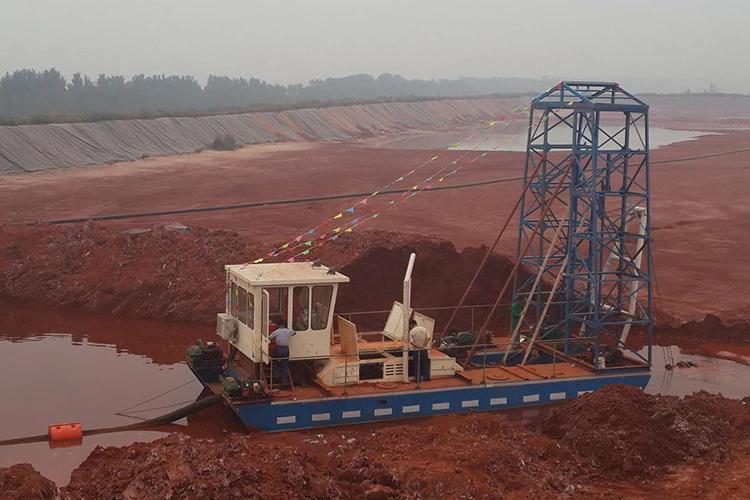
Table of Contents
- Article Outline
- 1. Overview of Jet Suction Dredger
- 2. Working Principle
- 3. Key Components
- 4. Advantages
- 5. Applications
- 6. Operational Challenges
- 7. Maintenance Tips
- 8. Performance Comparison Table
- 9. Frequently Asked Questions
Article Outline
- Definition and structure of a jet suction dredger
- Hydraulic jetting and suction mechanism explanation
- Main system components and their functions
- Performance advantages in dredging operations
- Common industrial and environmental applications
- Challenges operators may face during use
- Maintenance strategies for long-term efficiency
- Technical comparison with other dredging equipment
1. Overview of Jet Suction Dredger
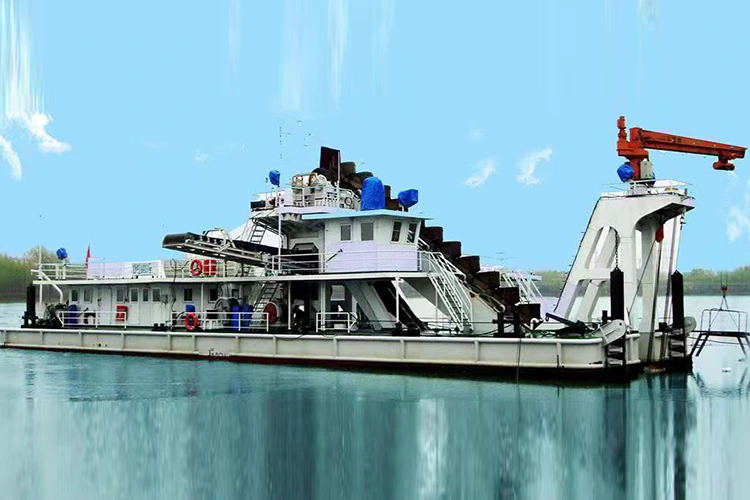
A jet suction dredger is a specialized type of hydraulic dredging equipment designed to excavate and transport underwater sediment, sand, and slurry through a combined jetting and suction process. Unlike mechanical dredgers that rely on buckets or cutters, this system uses high-pressure water jets to loosen material and a suction pump to transport it through pipelines.
This technology is widely preferred in shallow water environments such as rivers, lakes, reservoirs, and coastal areas due to its flexibility and efficiency. Manufacturers such as Shandong Haiding have developed advanced models that integrate energy-efficient pumping systems and durable pipeline structures for long-term industrial use.
2. Working Principle
The working principle of a jet suction dredger is based on hydraulic energy conversion. High-pressure water is released through jet nozzles, breaking up compacted soil or sand. Once the sediment is loosened, a powerful suction pump extracts the mixture of water and solids and transfers it through a pipeline system to a designated discharge area.
The entire process can be summarized as follows:
- Jetting Stage: High-pressure water loosens sediment layers.
- Mixing Stage: Soil and water form a slurry.
- Suction Stage: The slurry is absorbed by a dredge pump.
- Transport Stage: Material is conveyed through pipelines.
This continuous hydraulic cycle ensures efficient dredging with minimal mechanical wear compared to traditional excavation systems.
3. Key Components
A jet suction dredger consists of several critical systems that work together to ensure stable performance:
| Component | Function |
|---|---|
| Jet Nozzles | Deliver high-pressure water to loosen sediment |
| Dredge Pump | Creates suction force to move slurry |
| Pipeline System | Transports dredged material to disposal site |
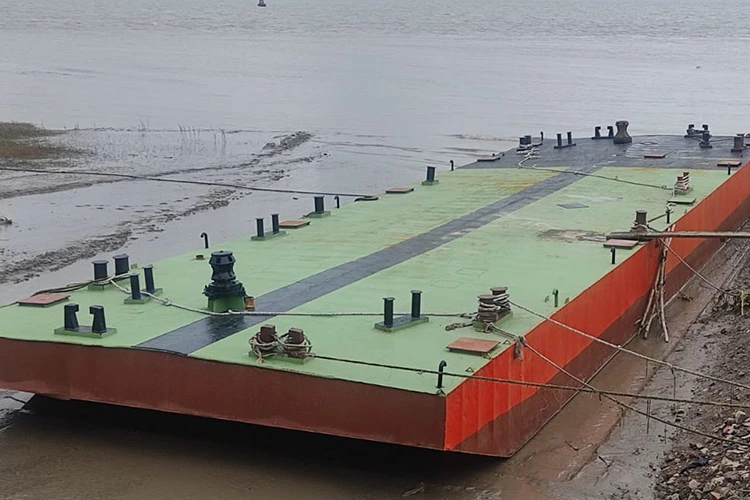
| Pontoon Structure | Provides buoyancy and stability |
| Power System | Drives pumps and hydraulic operations |
Advanced manufacturers like Shandong Haiding optimize these components for durability, corrosion resistance, and energy efficiency.
4. Advantages
Jet suction dredgers offer several operational and economic advantages compared to conventional dredging systems:
- High efficiency in loose soil and sand environments
- Lower fuel consumption due to hydraulic optimization
- Reduced mechanical wear and maintenance costs
- Simple structure with easier operation control
- Adaptability to different water depths and project scales
These advantages make them particularly suitable for large-scale river dredging and land reclamation projects.
5. Applications
Jet suction dredgers are widely used across multiple industries:
- River and canal dredging for navigation improvement
- Sand mining and construction material extraction
- Harbor and port maintenance
- Land reclamation projects
- Environmental restoration and sediment removal
In many infrastructure projects, equipment supplied by Shandong Haiding has been deployed due to its stable performance in harsh working environments.
6. Operational Challenges
Despite its advantages, jet suction dredging systems may face certain operational challenges:
- Reduced efficiency in compact clay or rocky soil
- Pipeline blockage due to oversized particles
- High dependence on proper water pressure balance
- Need for skilled operators to maintain optimal performance
Understanding these limitations helps operators optimize equipment usage and avoid downtime.
7. Maintenance Tips
Proper maintenance is essential to ensure long-term operational efficiency:
- Regular inspection of jet nozzles for wear and clogging
- Monitoring pump performance and pressure output
- Cleaning pipeline systems after each operation
- Lubricating mechanical components to reduce friction
- Checking pontoon integrity to avoid leakage risks
Equipment designed by Shandong Haiding is typically engineered for easier maintenance access, reducing downtime in field operations.
8. Performance Comparison Table
| Feature | Jet Suction Dredger | Mechanical Dredger |
|---|---|---|
| Energy Efficiency | High | Medium |
| Maintenance Cost | Low | High |
| Soil Suitability | Loose sediment, sand | Hard clay, mixed soil |
| Operation Complexity | Moderate | High |
9. Frequently Asked Questions
Q1: What is the main advantage of a jet suction dredger?
It provides efficient dredging in loose soil environments with lower operational costs compared to mechanical systems.
Q2: Can it work in deep water?
Yes, but performance depends on pump capacity and pipeline configuration.
Q3: What type of soil is most suitable?
Sand, silt, and loose sediment are ideal materials for this equipment.
Q4: How often should maintenance be performed?
Routine checks should be done daily during operation and full servicing scheduled periodically depending on usage intensity.
Conclusion
A jet suction dredger represents a highly efficient and adaptable solution for modern dredging operations. Its hydraulic working mechanism, combined with reduced mechanical complexity, makes it a preferred choice in many infrastructure and environmental projects. Companies such as Shandong Haiding continue to innovate in this field by providing durable and efficient dredging solutions tailored to diverse project requirements.
For project consultation, technical specifications, or customized dredging solutions, Shandong Haiding is ready to support your needs. contact us today to get professional assistance and detailed product information.
Related News
- How Can a Multifunctional Service Vessel Improve Efficiency and Reduce Costs in Marine Operations?
- How Can Hoisting Self-elevating Platforms Improve Offshore Operations?
- How Do Inland River Tugboats Operate Efficiently?
- How Does a Water Purification Pumping Station Improve Clean Water Supply Efficiency?
- How Does a Split Hopper Barge Improve Dredging Efficiency and Marine Material Transport?
- How Do Modular Pontoons Revolutionize Marine Operations?
Leave me a message