How Does a Sectional Dredger Improve Modern Dredging Operations?
Article Summary
Dredging projects often face challenges such as difficult transportation conditions, limited working areas, changing water environments, and high equipment deployment costs. A sectional dredger provides an efficient solution by combining modular design, flexible assembly, and reliable dredging performance. This article explains how a sectional dredger works, why it is valuable for different waterway projects, and how it helps contractors overcome common operational problems.
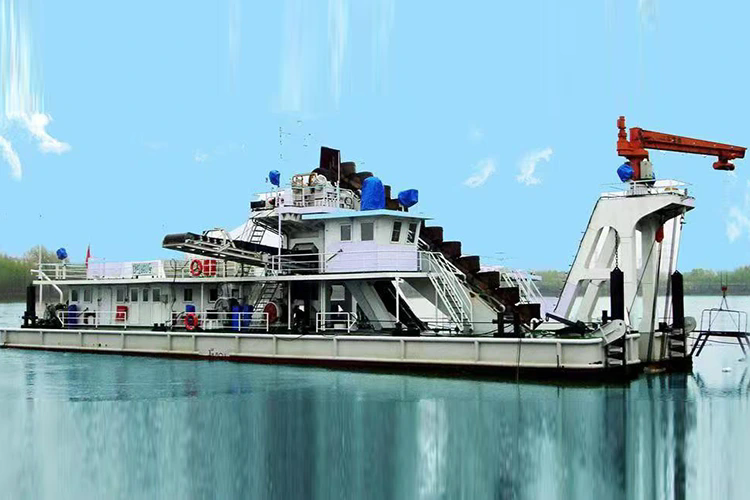
With advanced modular engineering and practical construction experience, Shandong Haiding Shipbuilding Co., Ltd. develops customized dredging equipment solutions designed to improve efficiency, reduce installation complexity, and support long-term project success.
Table of Contents
- 1. What Is a Sectional Dredger?
- 2. How Does a Sectional Dredger Work?
- 3. What Are the Main Advantages of Using a Sectional Dredger?
- 4. Where Can Sectional Dredgers Be Used?
- 5. How to Choose the Right Sectional Dredger?
- 6. How to Maintain a Sectional Dredger for Long-Term Performance?
- 7. Frequently Asked Questions About Sectional Dredgers
Article Outline
- Understanding the structure and function of sectional dredging equipment
- Exploring solutions for transportation and installation challenges
- Analyzing performance advantages in different dredging environments
- Learning how to select and maintain suitable dredging equipment
- Answering common questions from contractors and operators
What Is a Sectional Dredger?
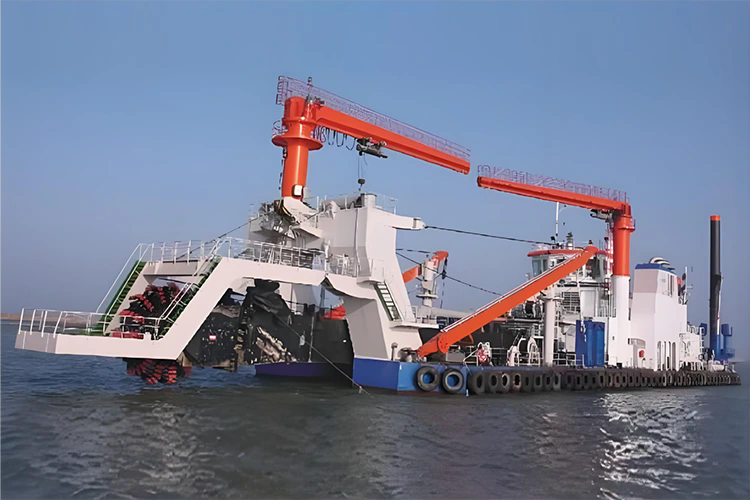
A sectional dredger is a modular dredging vessel designed with separate sections that can be assembled, transported, and operated according to project requirements. Unlike traditional large dredging vessels that require special transportation arrangements, sectional dredgers are built with detachable components, making them easier to move between different locations.
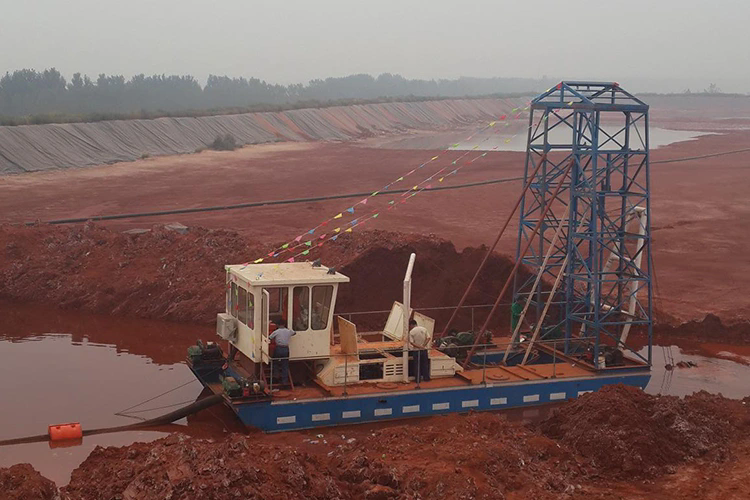
The modular structure allows operators to assemble the dredger directly at the project site. This feature is particularly useful for inland waterways, rivers, lakes, reservoirs, ports, and construction areas where transportation access may be limited.
A typical sectional dredger consists of several key components:
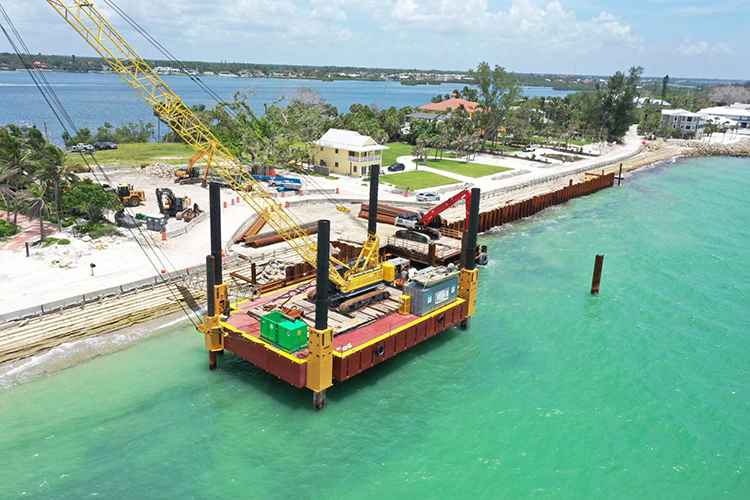
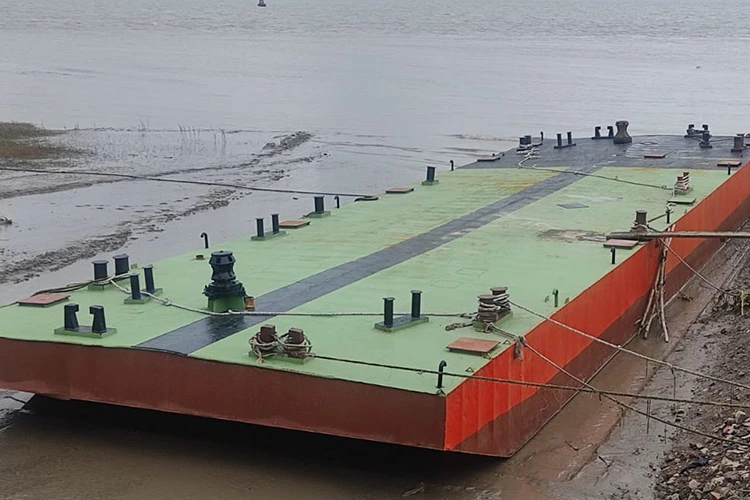
- Modular pontoons that provide floating stability
- Dredging pumps designed for efficient material handling
- Cutter heads or suction systems for underwater excavation
- Hydraulic systems for movement and operation control
- Control systems for accurate dredging management
By separating the vessel into manageable modules, this type of dredger provides greater flexibility compared with conventional dredging equipment.
How Does a Sectional Dredger Work?
The working process of a sectional dredger involves excavation, suction, transportation, and discharge of underwater materials. Although the equipment design may vary depending on the project, the basic operating principle remains consistent.
| Operating Stage | Description |
|---|---|
| Positioning | The dredger is assembled and positioned at the designated working area. |
| Excavation | The cutter head or suction system loosens underwater soil, sand, or sediment. |
| Pumping | The dredging pump transfers the mixture of water and materials through pipelines. |
| Transportation | The dredged material is moved to disposal areas or reclamation locations. |
| Completion | The dredging depth and area are inspected to confirm project requirements. |
The modular design does not reduce operational capability. Instead, it improves project adaptability by allowing equipment configuration changes based on water depth, sediment conditions, and working environment.
What Are the Main Advantages of Using a Sectional Dredger?
Many dredging contractors choose sectional dredgers because they solve several practical challenges associated with transportation, deployment, and project flexibility.
1. Easier Transportation and Installation
Large dredging vessels can create significant transportation difficulties, especially when projects are located in remote areas. A sectional dredger can be separated into smaller units, allowing transportation by trucks, containers, or other suitable methods.
This reduces logistics costs and enables dredging operations in locations that are difficult for conventional vessels to reach.
2. Flexible Project Deployment
Different dredging projects require different equipment configurations. A sectional dredger can be assembled according to specific operational needs, making it suitable for various environments.
- River channel maintenance
- Port expansion projects
- Lake and reservoir cleaning
- Sand recovery operations
- Land reclamation projects
3. Reduced Project Costs
Transportation, installation, and equipment management are major factors affecting dredging expenses. Modular dredgers help reduce these costs by simplifying movement and improving equipment utilization.
4. Strong Adaptability
A sectional dredger can operate in different water conditions by adjusting its configuration. This adaptability allows contractors to handle various sediment types and project requirements.
| Challenge | Traditional Equipment Limitation | Sectional Dredger Solution |
|---|---|---|
| Remote project locations | Difficult transportation | Modular sections simplify delivery |
| Changing project requirements | Limited flexibility | Customizable assembly options |
| Limited working space | Large equipment restrictions | Suitable for compact areas |
Where Can Sectional Dredgers Be Used?
Sectional dredgers are widely applied in industries that require efficient underwater excavation and sediment removal. Their flexible structure makes them suitable for both small and large-scale projects.
- River Dredging: Maintaining water depth and improving navigation conditions.
- Port Construction: Supporting expansion and maintenance of harbor facilities.
- Reservoir Maintenance: Removing accumulated sediment to improve water storage capacity.
- Mining Operations: Recovering valuable underwater resources.
- Land Reclamation: Moving dredged materials for construction development.
How to Choose the Right Sectional Dredger?
Selecting the correct sectional dredger is an important decision that directly affects project efficiency, operating costs, and long-term reliability. Different dredging environments require different equipment specifications, so contractors should evaluate several factors before making a purchase decision.
1. Consider the Dredging Environment
The working environment is one of the most important factors when selecting a sectional dredger. Water depth, sediment characteristics, current conditions, and project size all influence equipment requirements.
| Selection Factor | Important Considerations |
|---|---|
| Water Depth | Choose equipment with suitable operating depth capabilities. |
| Sediment Type | Different soils require different cutter heads and pumping systems. |
| Project Scale | Large projects may require higher capacity dredging systems. |
| Transportation Conditions | Modular structures are beneficial for areas with limited access. |
2. Evaluate Dredging Capacity
The dredging capacity determines how much material can be removed within a specific period. Important performance parameters include:
- Pump capacity
- Dredging depth range
- Material handling capability
- Pipeline transportation distance
- Operating efficiency
Choosing equipment with suitable capacity prevents unnecessary energy consumption while ensuring that project deadlines can be achieved.
3. Check Structural Quality and Manufacturing Experience
A dredger operates in challenging marine and freshwater environments, meaning structural reliability is essential. High-quality materials, precise manufacturing processes, and professional engineering support help ensure stable operation.
Shandong Haiding Shipbuilding Co., Ltd. focuses on providing reliable dredging equipment solutions with practical engineering experience. The company develops sectional dredgers according to different customer requirements, helping operators achieve efficient and stable dredging performance.
4. Consider Customization Requirements
Every dredging project has unique conditions. A standard configuration may not always provide the best solution. Custom options may include:
- Different pontoon sizes
- Customized dredging depths
- Specialized pumping systems
- Improved control systems
- Specific transportation configurations
A flexible manufacturer can provide equipment that better matches the actual working environment.
How to Maintain a Sectional Dredger for Long-Term Performance?
Proper maintenance is essential for maximizing equipment lifespan and preventing unexpected downtime. Because dredging operations involve continuous contact with water, sediment, and mechanical loads, regular inspection and maintenance should be part of daily management.
Regular Inspection Checklist
| Component | Inspection Focus |
|---|---|
| Dredging Pump | Check wear conditions, pressure performance, and abnormal vibration. |
| Hydraulic System | Inspect oil levels, leakage, and operating stability. |
| Pontoons | Check structural condition and connection points. |
| Pipelines | Monitor blockages, damage, and connection sealing. |
| Control System | Ensure sensors and operation controls function correctly. |
Maintenance Practices for Better Efficiency
- Clean sediment deposits after operation.
- Replace worn components before failure occurs.
- Follow recommended inspection schedules.
- Keep hydraulic and electrical systems protected from moisture.
- Record operating conditions and maintenance history.
Regular maintenance not only extends equipment service life but also improves safety and reduces unexpected repair costs.
Why Are Sectional Dredgers Becoming More Popular?
The dredging industry continues to demand equipment that is more efficient, flexible, and easier to manage. Traditional dredgers may not always meet the requirements of modern projects, especially when working locations become more complex.
Sectional dredgers provide advantages that match current industry needs:
- Improved transportation flexibility
- Lower deployment difficulties
- Adaptability for different environments
- Efficient project management
- Long-term operational value
As infrastructure development, waterway improvement, and environmental maintenance projects continue worldwide, modular dredging solutions are expected to play an increasingly important role.
Frequently Asked Questions About Sectional Dredgers
Q1: What makes a sectional dredger different from a traditional dredger?
A sectional dredger uses a modular structure that allows the vessel to be separated into multiple sections for transportation and assembly. Traditional dredgers are usually built as complete vessels, which can make transportation and deployment more difficult.
Q2: Can a sectional dredger be used in rivers and lakes?
Yes. Sectional dredgers are suitable for various inland water environments, including rivers, lakes, reservoirs, and canals. Their modular design allows them to adapt to different project conditions.
Q3: How long does it take to assemble a sectional dredger?
Assembly time depends on the equipment size, project requirements, and site conditions. Professional engineering teams can optimize installation procedures to improve deployment efficiency.
Q4: What materials can a sectional dredger remove?
A sectional dredger can handle various underwater materials, including sand, mud, clay, and accumulated sediment. The specific capability depends on the dredging system configuration.
Q5: Why choose Shandong Haiding Shipbuilding Co., Ltd. for sectional dredging solutions?
Shandong Haiding Shipbuilding Co., Ltd. provides professionally designed dredging equipment solutions with a focus on practical performance, structural reliability, and customer-specific requirements. The company supports customers with suitable configurations for different dredging applications.
Conclusion
A sectional dredger offers an effective solution for modern dredging challenges by combining modular construction, transportation flexibility, and reliable working performance. Whether used for river maintenance, port construction, reservoir cleaning, or land reclamation, this equipment helps contractors improve efficiency while reducing operational difficulties.
Choosing the right dredging partner is essential for achieving successful project results. With professional manufacturing capabilities and customized solutions, Shandong Haiding Shipbuilding Co., Ltd. continues to support customers with dependable sectional dredger equipment designed for various applications.
If you are looking for a reliable sectional dredger solution tailored to your project requirements, please contact us today. Shandong Haiding Shipbuilding Co., Ltd. is ready to provide professional support and customized dredging equipment solutions to help your business achieve higher efficiency and long-term success.
Related News
- How Can a Controllable Pitch Propeller Tug Improve Towing Efficiency and Port Maneuverability
- How Can a Jack Up Living Quarter Platform Improve Safety and Efficiency in Offshore Operations
- How Can a Rapidly Emplaced Bridge Transform Emergency Water-Crossing and Infrastructure Recovery
- How Can a Jack Up Wind Farm Installation Platform Transform Offshore Wind Turbine Installation
- How Can Modular Pontoons Transform Modern Marine Construction and Floating Platform Projects
- How Does an Ocean-Going Tug Support Demanding Deep-Sea Operations?
Leave me a message