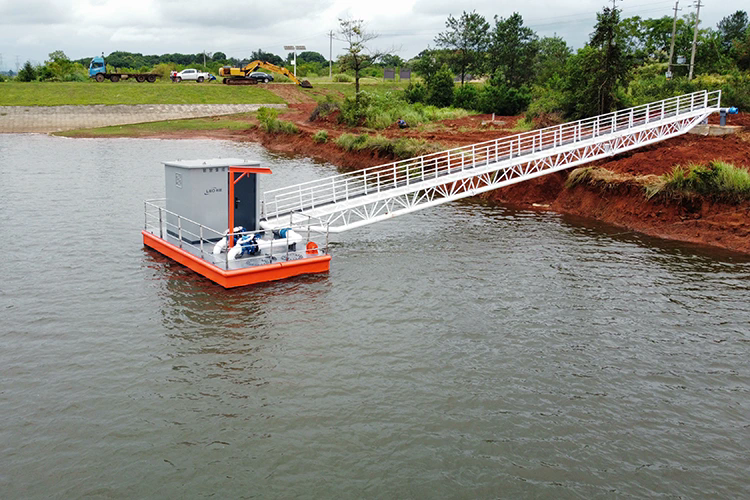
How Do Modular Pontoons Revolutionize Marine Operations?
Abstract: Modular pontoons are transforming marine and offshore industries by providing flexible, cost-effective, and durable solutions for a variety of applications. This article explores how modular pontoons work, their key benefits, common configurations, maintenance considerations, and the ways HAIDING SHIPYARD is helping clients maximize operational efficiency and safety.
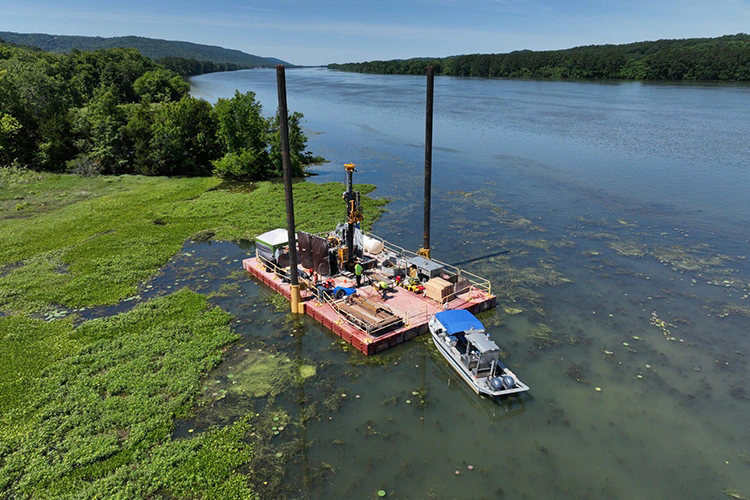
Table of Contents
- Introduction to Modular Pontoons
- Key Benefits of Modular Pontoons
- Popular Modular Pontoon Configurations
- Materials and Durability
- Maintenance and Lifespan
- Frequently Asked Questions
- Conclusion
Introduction to Modular Pontoons
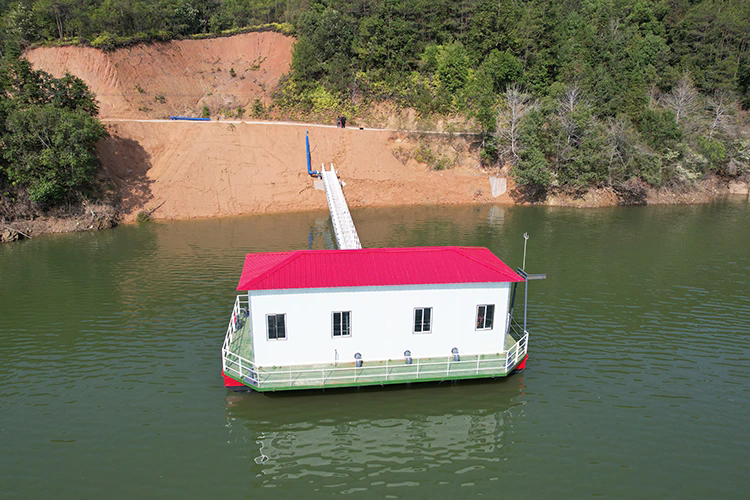
Modular pontoons are floating platforms made from interconnected, standardized sections that can be combined in numerous configurations to meet diverse marine needs. Unlike traditional pontoons, which are often custom-built and inflexible, modular designs allow rapid assembly, scalability, and easy transportation. HAIDING SHIPYARD has been a leading provider of these versatile solutions, offering products designed for docks, work platforms, temporary bridges, and floating structures.
These modular units are engineered to withstand harsh marine environments, providing stability, buoyancy, and adaptability. Whether used for recreational purposes, construction, or industrial operations, modular pontoons are increasingly chosen for their efficiency and cost-effectiveness.
Key Benefits of Modular Pontoons
Understanding why modular pontoons have gained popularity requires an examination of their primary advantages. Below is a detailed list:
- Flexibility: Easily reconfigured to meet changing operational needs.
- Rapid Deployment: Quick assembly and disassembly save time and labor costs.
- Scalability: Modules can be added or removed to adjust platform size.
- Cost-Efficiency: Reduces the need for custom fabrication and complex logistics.
- Durability: Resistant to corrosion, UV damage, and impact from waves.
- Environmental Compatibility: Minimal ecological impact compared to permanent structures.
HAIDING SHIPYARD leverages advanced manufacturing and quality control processes to ensure each pontoon module meets rigorous performance standards, making them suitable for long-term deployment in challenging conditions.
Popular Modular Pontoon Configurations
Modular pontoons can be customized to create a variety of structures. The following table illustrates common configurations and their typical applications:
| Configuration | Description | Common Uses |
|---|---|---|
| Floating Dock | Rectangular arrangement of pontoons forming stable platforms for boats. | Marinas, private docks, and boat maintenance areas |
| Work Platform | Larger, reinforced modules capable of supporting heavy machinery. | Offshore construction, bridge repair, and oil & gas operations |
| Temporary Bridge | Series of pontoons linked to form a floating bridge across water bodies. | Emergency crossings, military operations, and construction sites |
| Event or Leisure Platforms | Flexible layouts for temporary recreational or event spaces. | Floating stages, swimming areas, and waterfront events |
Materials and Durability
The performance of modular pontoons depends heavily on the materials used. High-quality pontoons from HAIDING SHIPYARD often utilize the following:
- High-Density Polyethylene (HDPE): Resistant to UV rays, saltwater, and chemical exposure.
- Marine-Grade Aluminum: Lightweight, strong, and corrosion-resistant for structural frameworks.
- Steel with Protective Coatings: Provides high load-bearing capacity for industrial applications.
These materials ensure longevity and reduced maintenance costs. Modular pontoons are also designed with reinforced connection points to prevent detachment under stress or rough water conditions.
Maintenance and Lifespan
Even with durable materials, proper maintenance extends the life of modular pontoons. Here are recommended practices:
- Regular inspection of joints and connectors for wear or corrosion.
- Cleaning surfaces to remove algae, barnacles, and other debris.
- Checking for leaks or punctures in HDPE modules and repairing promptly.
- Seasonal removal or securing of pontoons in extreme weather conditions.
With proper care, modular pontoons can last 15–25 years. HAIDING SHIPYARD provides support and replacement modules to ensure minimal downtime for clients.
Frequently Asked Questions
Q1: How fast can modular pontoons be deployed?
A1: Depending on the size and complexity, deployment can range from a few hours for small recreational platforms to 1–2 days for industrial setups.
Q2: Are modular pontoons suitable for deep-water operations?
A2: Yes, they can be customized with anchoring systems and buoyancy adjustments for deeper water and heavier loads.
Q3: Can modular pontoons be expanded after installation?
A3: Absolutely. Modules are designed for scalable configurations, allowing clients to add sections as operational needs grow.
Q4: What is the typical weight capacity of modular pontoons?
A4: This varies based on module size and material. Standard HDPE units support several tons per module, with reinforced industrial pontoons capable of supporting heavy machinery.
Conclusion
Modular pontoons are redefining flexibility, efficiency, and cost-effectiveness in marine and offshore industries. With the ability to quickly assemble, reconfigure, and expand, these floating platforms offer solutions for docks, construction, leisure, and emergency applications. HAIDING SHIPYARD is committed to delivering high-quality modular pontoons that meet diverse operational requirements while ensuring safety and durability.
To explore modular pontoon options, request a quote, or discuss custom solutions, contact us today and let HAIDING SHIPYARD support your next project with innovative floating solutions.
Related News
- How Can a Controllable Pitch Propeller Tug Improve Towing Efficiency and Port Maneuverability
- How Can a Jack Up Living Quarter Platform Improve Safety and Efficiency in Offshore Operations
- How Can a Rapidly Emplaced Bridge Transform Emergency Water-Crossing and Infrastructure Recovery
- How Can a Jack Up Wind Farm Installation Platform Transform Offshore Wind Turbine Installation
- How Can Modular Pontoons Transform Modern Marine Construction and Floating Platform Projects
- How Does an Ocean-Going Tug Support Demanding Deep-Sea Operations?
Leave me a message