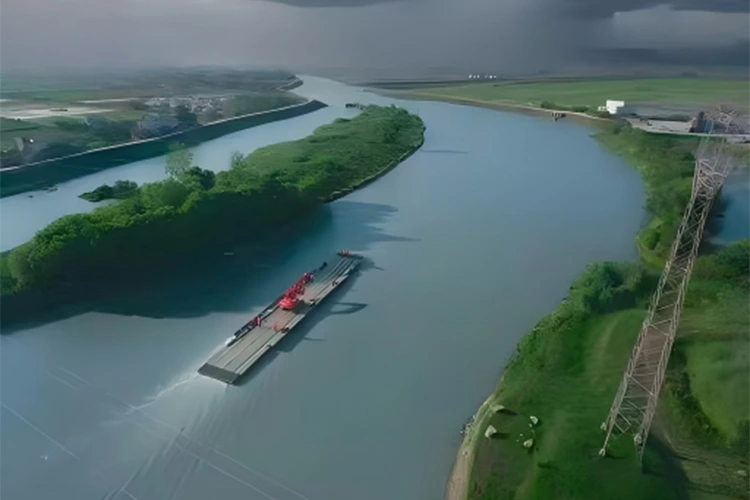

Rapidly Emplaced Bridge
HAIDING SHIPYARD is a professional Rapidly Emplaced Bridge manufacturer specializing in self-propelled floating bridge systems for flood control, disaster relief, emergency transportation, infrastructure recovery, and marine engineering applications.
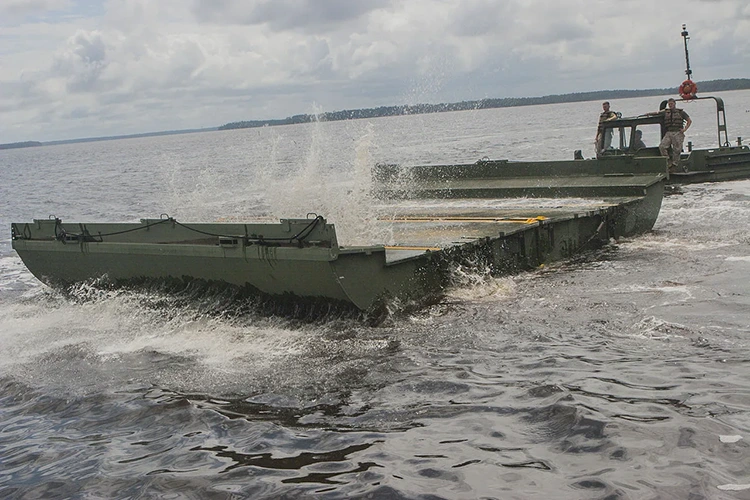
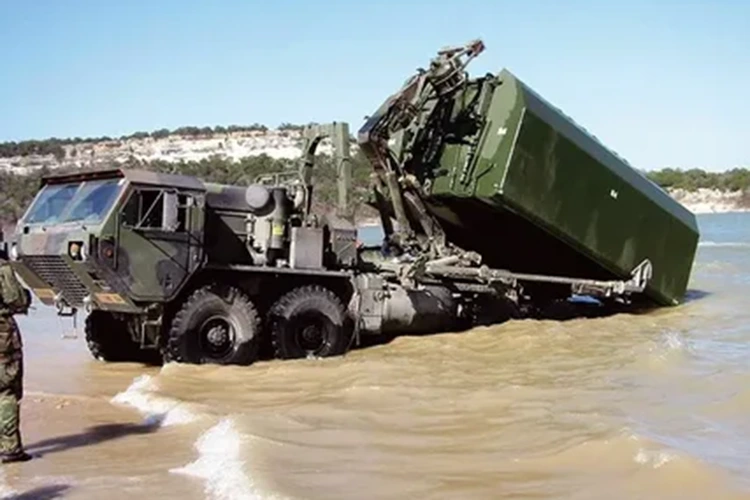
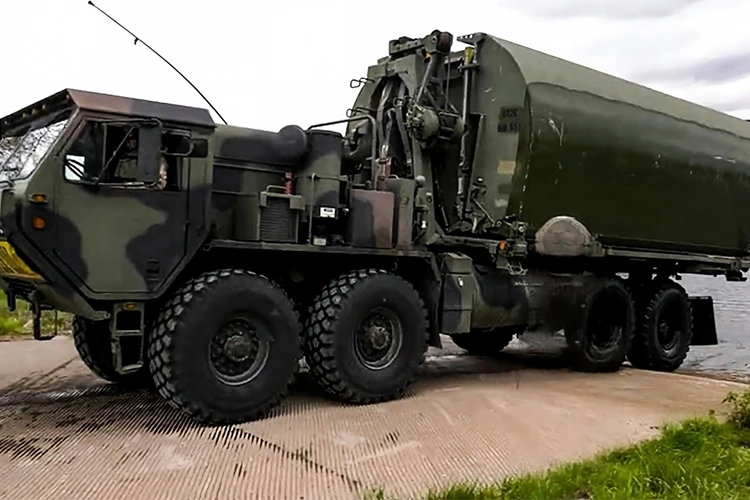
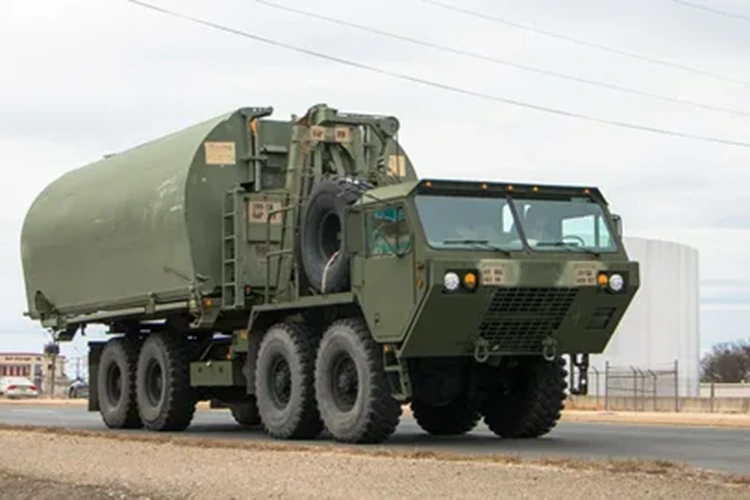
The Rapidly Emplaced Bridge is an integrated waterborne emergency support system developed for situations where traditional transportation infrastructure cannot meet urgent operational requirements.
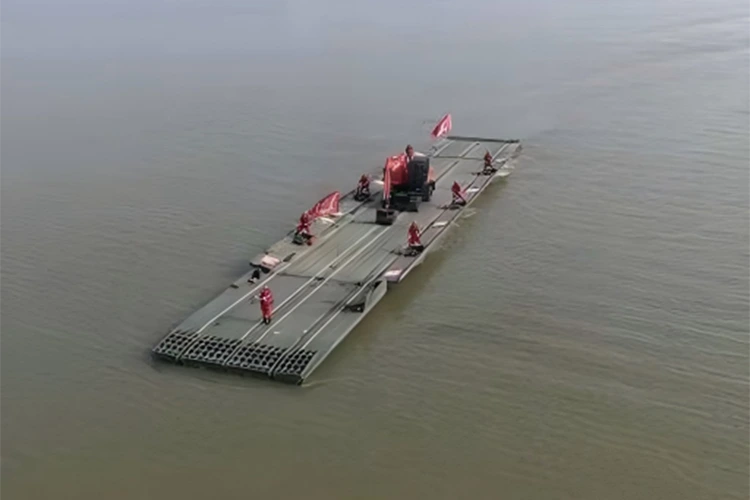
Flood disasters, bridge failures, road interruptions, and remote engineering projects often require temporary water-crossing solutions that can be deployed quickly and operate reliably. Unlike conventional floating bridges that depend on tugboats, cranes, and large installation teams, this system combines propulsion, positioning, connection, and load-bearing functions into each independent module.
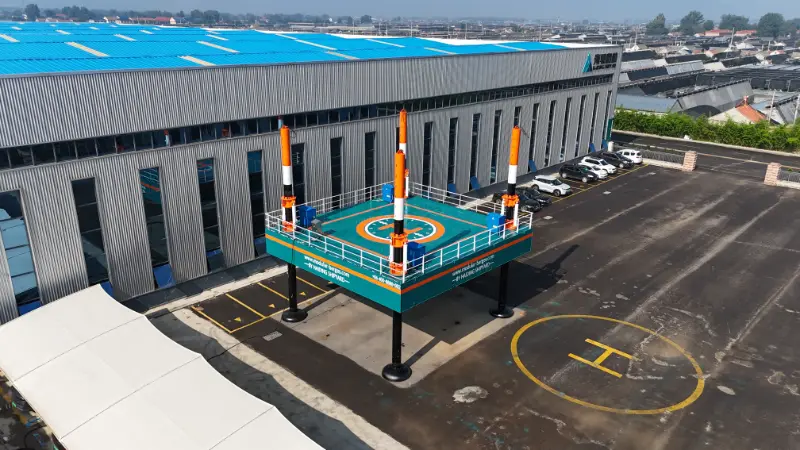
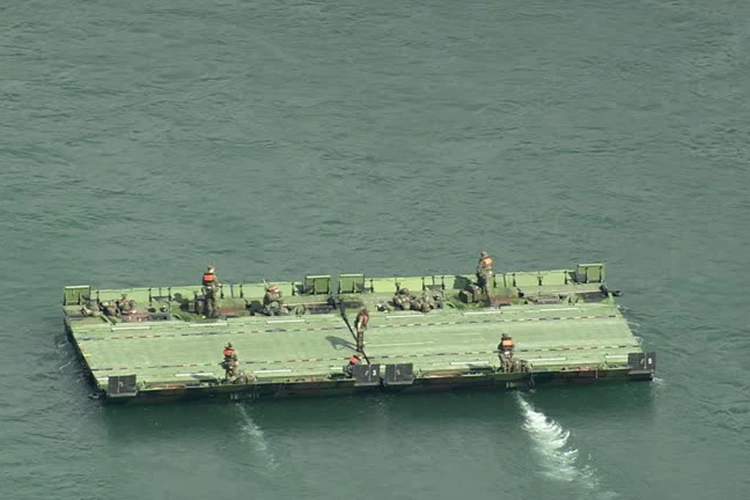
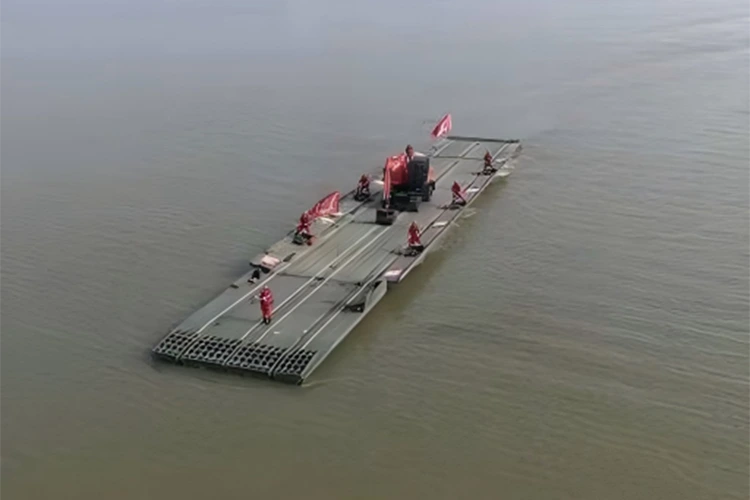
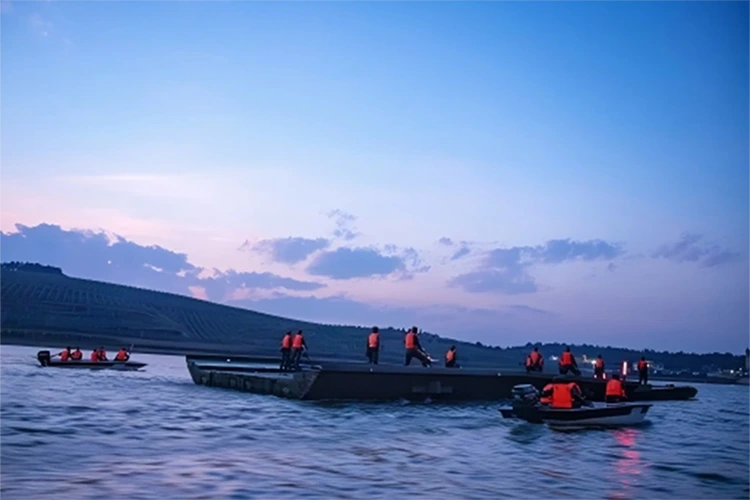
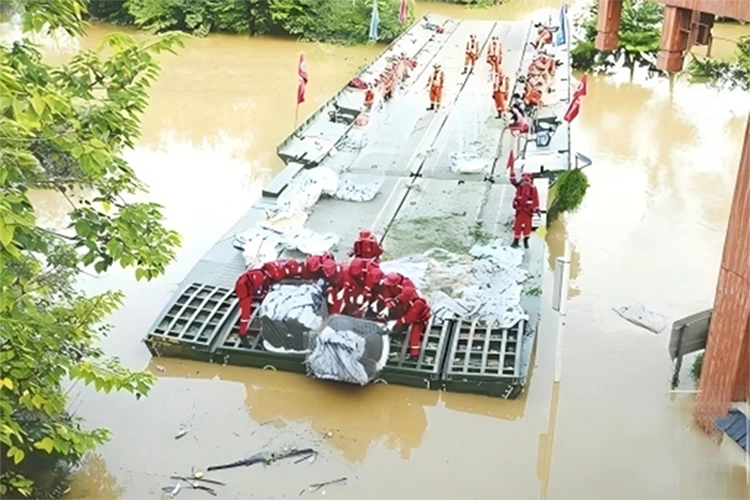
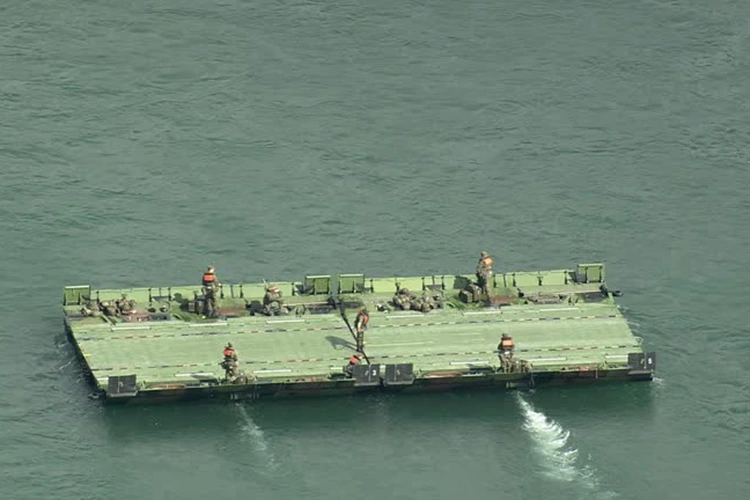
The bridge is built around standardized 10-meter self-propelled pontoon modules. Multiple units can be connected according to crossing distance and operational needs, creating floating bridge structures ranging from small channels to large waterways exceeding 100 meters.
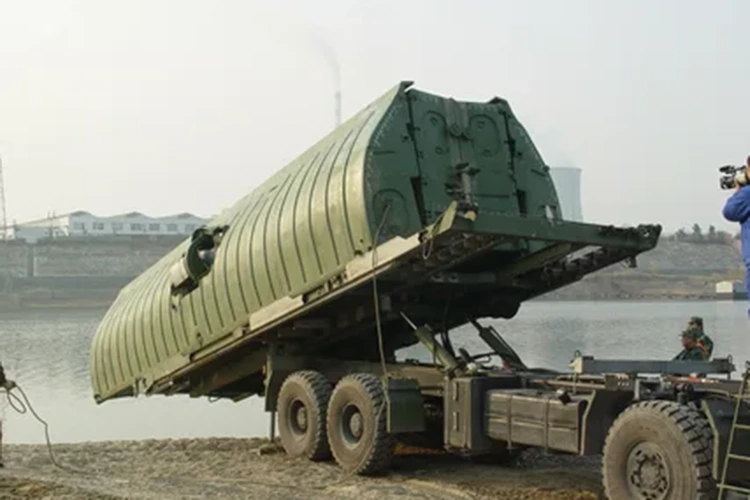
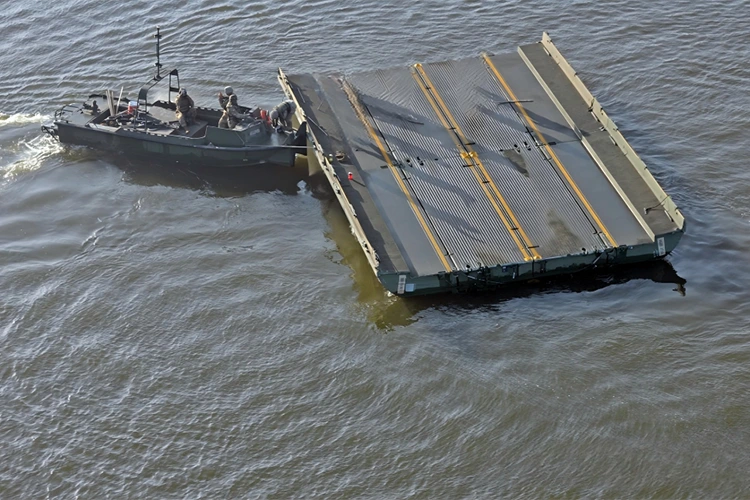
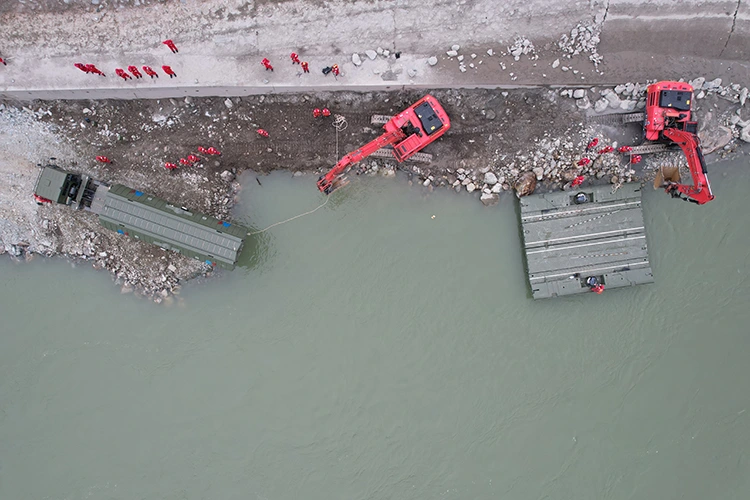
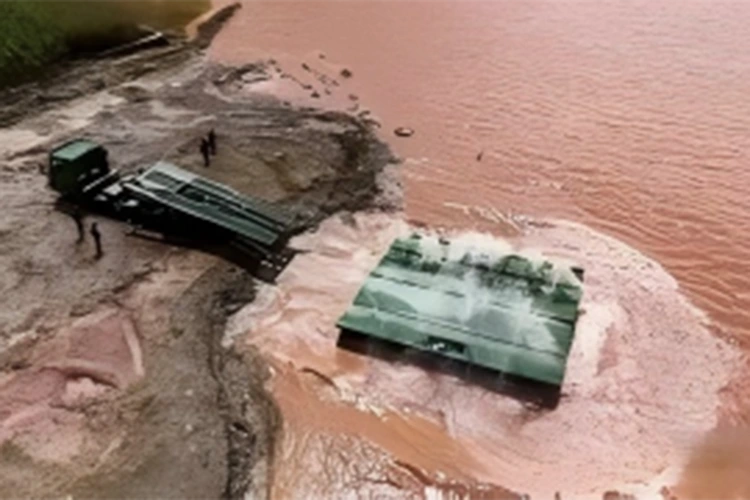
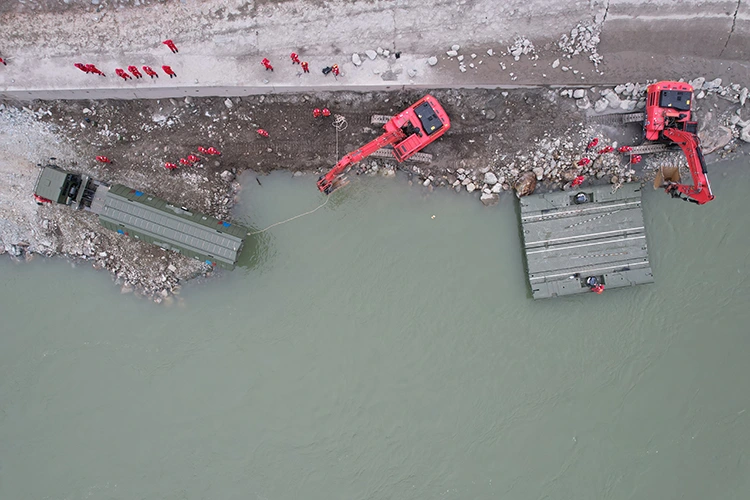
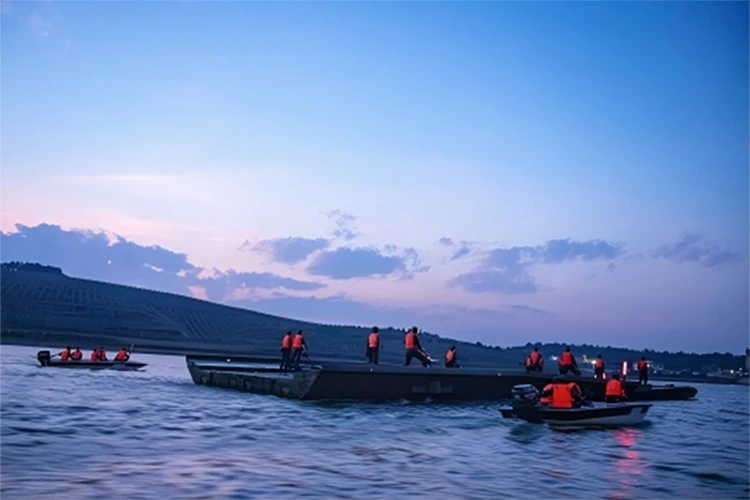
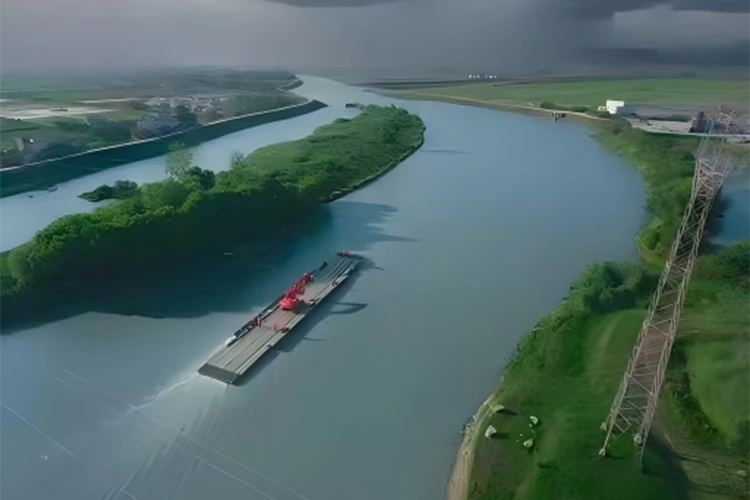
Each module is capable of independent navigation, allowing it to move directly to the designated deployment area. After positioning, modules are aligned and locked through an integrated connection system to form a stable floating bridge.
When a complete bridge structure is not required, individual powered modules can also operate as ferry units for transporting personnel, rescue equipment, vehicles, and emergency materials.
Key Features
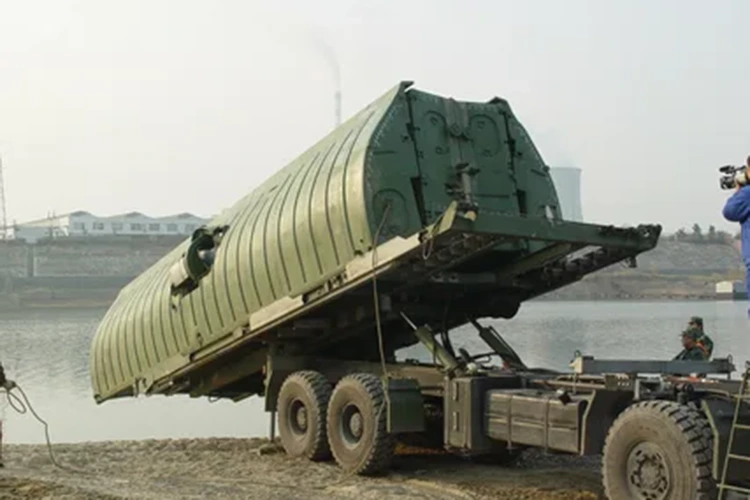
1. Standardized Modular Pontoon Design
The modular structure provides several practical benefits:
· Flexible configuration from 10m to 100m+
· Simplified transportation and storage
· Faster field assembly
· Easier maintenance and replacement
· Expandable capacity for future requirements
This design allows emergency organizations and engineering contractors to prepare equipment that can adapt to different operating environments.
2. Independent Self-Propelled Navigation System
The self-propelled design improves:
· Deployment speed
· Positioning accuracy
· Operational flexibility
· Response efficiency
When bridge construction is not required, individual modules can continue operating independently as powered ferry platforms.
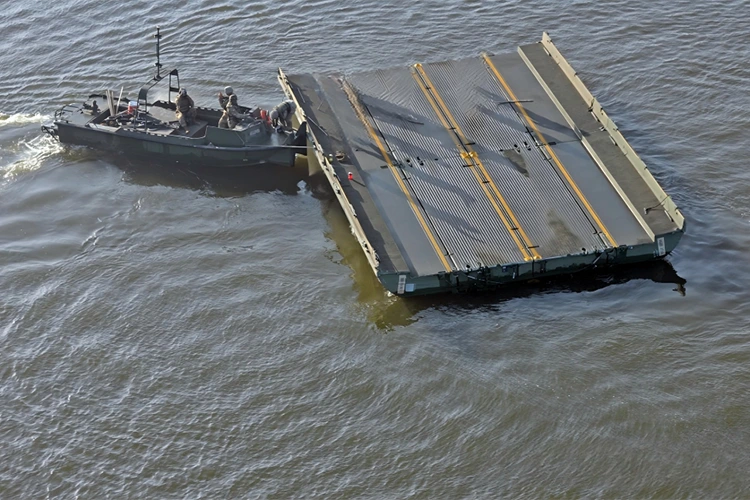
3. Rapid Deployment for Emergency Operations
Emergency situations require equipment that can be transported and installed quickly.
A standard 60-meter bridge configuration can typically be deployed within10–15 minutes under suitable operating conditions.
This rapid response capability makes the system suitable for:
· Flood rescue operations
· Emergency transportation recovery
· Disaster relief logistics
· Temporary infrastructure restoration
4. Heavy-Duty Load Carrying Capability
The bridge system is designed with a high-strength structural framework that distributes loads across connected modules while maintaining deck stability.
A standard 60-meter bridge configuration provides:
· Rated load capacity:60 tons
· Heavy equipment crossing capability
· Stable vehicle transportation performance
During structural testing, the maximum bridge deck deformation under full load was controlled within12 mm, with no permanent deformation after unloading.
This reliable load performance supports applications requiring continuous transportation of heavy rescue and engineering equipment.
5. Adaptability to Complex Water Environments
Emergency operations often take place under unpredictable environmental conditions.
TheRapidly Emplaced Bridge is designed for operation in:
· Rivers
· Lakes
· Reservoirs
· Flood channels
· Coastal shallow waters
The system supports operating temperatures from:
-30°C to +55°C
Performance testing verified stable operation under:
· Water current speeds up to 2.8 m/s
· Short-term resistance up to 3.0 m/s
· Wind conditions up to Force 6
· Wave heights approximately 0.5 m
An intelligent ballast adjustment system helps compensate for water-level changes, improving stability during changing operating conditions.
6. Dual Operation Modes
The bridge system provides two operating modes within one platform.
Floating Bridge Mode
Multiple modules can be connected to create a temporary floating bridge for:
· Vehicle transportation
· Personnel movement
· Equipment transfer
· Emergency logistics
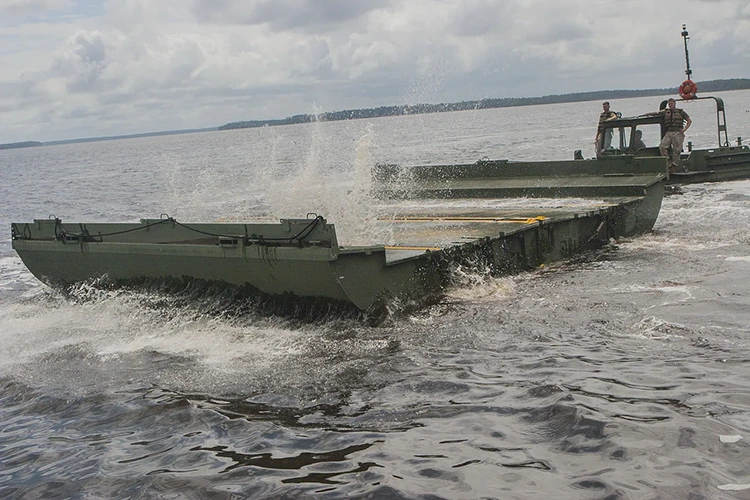
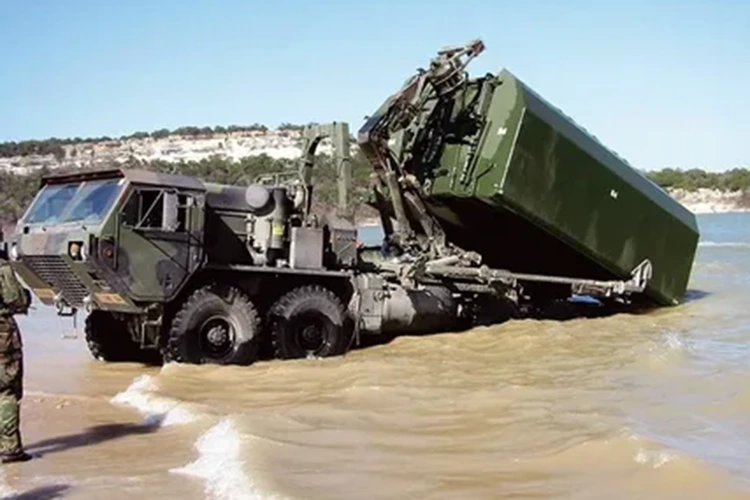
Powered Ferry Mode
Individual powered modules can operate independently for:
· River crossing
· Rescue transportation
· Remote area supply delivery
This dual-function design improves equipment utilization and allows operators to select the most suitable method according to site conditions.
Technical Performance & Reliability Testing
Structural Strength and Load Testing
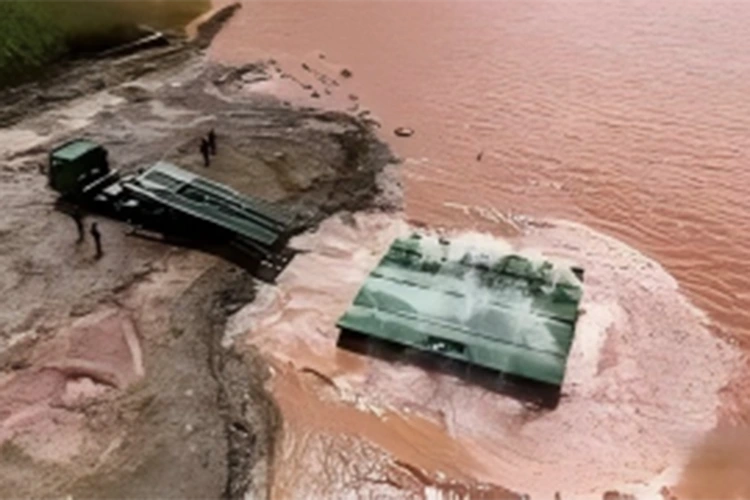
A standard 60-meter modular bridge configuration was tested under a rated load of 60 tons to evaluate structural stability during heavy-duty transportation.
During full-load operation, the maximum vertical deformation of the bridge deck remained with in 12 mm, and no permanent deformation occurred after unloading.
The modular locking system completed repeated connection tests without loosening or structural damage, ensuring reliable performance during multiple deployment cycles.
An anti-overturning safety factor of≥1.6 provides additional stability under heavy loads and side-wave impact conditions.
These test results demonstrate the bridge's capability to support rescue vehicles, engineering machinery, and emergency transportation requirements.
Continuous Operation and Durability Testing
Emergency equipment must remain operational during extended rescue and recovery missions.
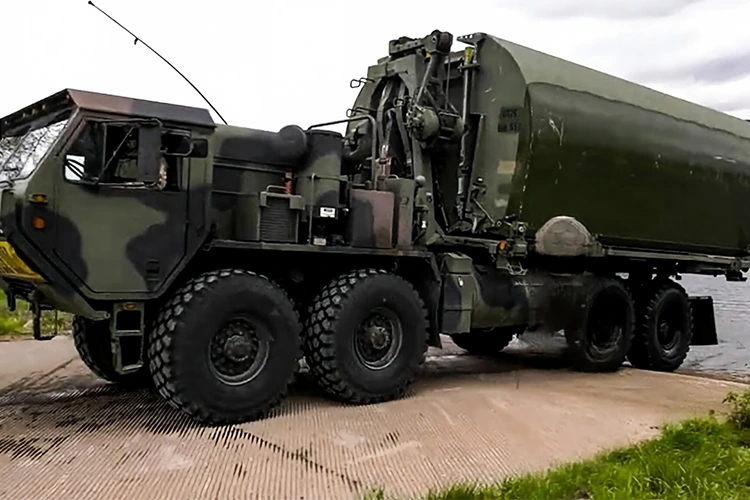
The complete bridge system successfully completed:
· 72-hour continuous full-load operation testing
· More than 1,000 assembly and dismantling cycles
· High-temperature and low-temperature testing
· Rain and wind-wave environment testing
Throughout these evaluations, the propulsion system, hydraulic system, and electronic control system maintained stable operation.
The durable design reduces maintenance requirements and improves equipment availability during long-term field deployment.
Intelligent Control and Positioning Performance
Efficient deployment depends on accurate positioning and reliable module connection.
Each powered module integrates an intelligent control platform that monitors operating conditions and assists operators during navigation and assembly.
The system provides:
· Real-time bridge attitude monitoring
· Automatic hydraulic balance adjustment
· Water-level compensation
· Overload protection
· Fault diagnosis functions
During positioning tests, the system achieved alignment accuracy with in 5 cm, helping reduce manual adjustment time and improving assembly efficiency.
Modular Configuration Options
TheRapidly Emplaced Bridge uses standardized powered modules, allowing customers to select suitable bridge lengths according to water width, traffic requirements, and operating conditions.
Each configuration maintains the core advantages of:
· Independent navigation
· Rapid deployment
· Heavy-load transportation
· Modular expansion capability
|
Number of Modules |
Bridge Length |
Rated Load |
Deployment Time |
Main Applications |
|
1 Module |
10 m |
10 Tons |
3–5 min |
Small rivers, drainage channels, short-distance crossings |
|
2 Modules |
20 m |
20 Tons |
5–8 min |
Urban flood response, emergency access |
|
3 Modules |
30 m |
30 Tons |
7–10 min |
Medium rivers, rescue transportation |
|
4 Modules |
40 m |
40 Tons |
9–12 min |
Emergency vehicle access, temporary road recovery |
|
5 Modules |
50 m |
50 Tons |
10–14 min |
Reservoir crossings, engineering support |
|
6 Modules |
60 m |
60 Tons |
10–15 min |
Heavy-duty emergency bridge operations |
|
8 Modules |
80 m |
60 Tons |
12–18 min |
Wide rivers and large water areas |
|
10 Modules |
100 m+ |
60 Tons |
15–20 min |
Large-scale emergency infrastructure projects |
This modular approach allows organizations to expand bridge capacity according to future operational requirements without replacing existing equipment.
Main Applications
Flood Control and Disaster Relief
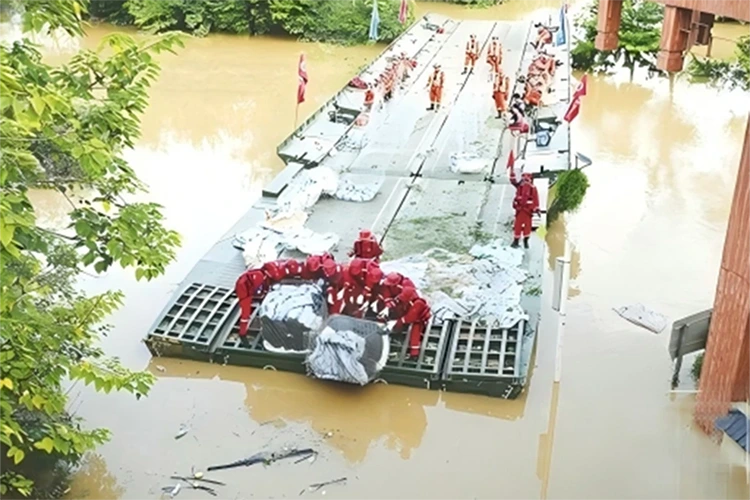
During floods and extreme weather events, damaged roads and submerged bridges can isolate communities and delay emergency response.
The modular powered pontoon bridge provides temporary transportation access for:
· Rescue teams
· Emergency vehicles
· Medical supplies
· Relief materials
· Engineering equipment
Its rapid deployment capability helps restore transportation links during critical response periods.
Emergency Water Rescue
The system provides stable water-crossing capability for rescue operations in rivers, reservoirs, and flooded areas.
It supports:
· Personnel evacuation
· Rescue equipment transportation
· Emergency supply delivery
· Temporary access establishment
The self-propelled design improves mobility when traditional transportation routes are unavailable.
Infrastructure Recovery
After bridge collapse, road damage, or natural disasters, rebuilding permanent infrastructure often requires significant time.
The modular floating bridge provides a temporary transportation solution while permanent repairs are underway.
It can support:
· Construction vehicles
· Repair equipment
· Material transportation
· Workforce movement
Marine Engineering Support
Marine construction projects often require flexible temporary transportation systems.
The bridge can support operations related to:
· Port construction
· Reservoir projects
· Offshore engineering
· Water conservancy projects
· Pipeline and energy infrastructure
Its modular design allows relocation according to changing project requirements.
Civil Defense and Emergency Mobility
The combination of rapid deployment, independent navigation, and heavy-load capability makes the system suitable for emergency mobility missions requiring fast water-crossing capability.
Applications include:
· Civil defense operations
· Emergency logistics
· Strategic transportation support
· Large-scale rescue missions
Why Choose HAIDING SHIPYARD
Choosing an emergency bridge supplier requires more than evaluating product specifications. Manufacturing capability, engineering support, customization ability, and long-term service are equally important factors.
HAIDING SHIPYARD specializes in modular waterborne equipment development and manufacturing, providing integrated solutions for emergency response, flood control, transportation recovery, and marine engineering applications.
From structural fabrication to system integration, each bridge module follows standardized manufacturing procedures to ensure consistent performance and reliable operation.
Our engineering team works with customers to determine the most suitable configuration based on:
· Waterway width
· Required load capacity
· Operating environment
· Deployment requirements
· Transportation conditions
Whether customers require individual powered modules or complete floating bridge systems, HAIDING SHIPYARD provides practical solutions designed around real operational needs.
OEM and Customization Services
Different projects require different bridge configurations. HAIDING SHIPYARD provides customization options to meet specific application requirements.
Quality Control
Reliable emergency equipment requires strict manufacturing control.
Each modular bridge system undergoes inspection throughout the production process, including:
· Raw material inspection
· Structural fabrication inspection
· Welding quality inspection
· Mechanical assembly verification
· Hydraulic system testing
· Electrical control testing
· Navigation function testing
· Load performance verification
· Final operation inspection

Frequently Asked Questions
Can the pontoon bridge operate without tugboats?
Yes. Each module is equipped with an independent propulsion system, allowing autonomous navigation, positioning, and connection without external towing equipment.
How long does it take to deploy the bridge?
Deployment time depends on bridge length and site conditions. A standard 60-meter configuration can typically be completed within 10–15 minutes under suitable conditions.
What is the maximum bridge length?
The modular design allows bridge configurations exceeding 100 meters by connecting additional powered modules.
What load capacity can the bridge support?
A standard 60-meter configuration provides a rated load capacity of 60 tons.
Can individual modules work as ferries?
Yes. Individual powered modules can operate independently for personnel and equipment transportation.
What environments can the bridge operate in?
The system is suitable for rivers, lakes, reservoirs, flood channels, and coastal shallow waters.
What temperature range does it support?
The operating temperature range is from -30°C to +55°C.
Can the bridge be customized?
Yes. HAIDING SHIPYARD provides customization for bridge length, load requirements, control systems, and supporting equipment.
Do you provide technical support?
Yes. Technical consultation, operation guidance, spare parts support, and maintenance assistance are available.
Contact HAIDING SHIPYARD
When emergency transportation routes are interrupted, reliable water-crossing equipment becomes essential for restoring access quickly and safely.
HAIDING SHIPYARD providesRapidly Emplaced Bridge solutions designed for flood control, disaster response, infrastructure recovery, and marine engineering applications.
Contact our engineering team for technical specifications, configuration recommendations, and customized project solutions.
Hot Tags: China Rapidly Emplaced Bridge Manufacturer , Supplier , Factory
Send Inquiry
Contact Info
-
Address
No. 8888, Wanhong Avenue, Huanglou Sub-district, Qingzhou City, Weifang City, Shandong Province, China
-
Tel
-
E-mail
Submit your demand for dredgers, Sectional Barges or Tugboats to get instant quotation. HAIDING SHIPYARD meticulously monitoring every step of production to ensure quality and clear pricing, providing our customers with cost-effective solutions.