

Maintenance Self-elevating Platform
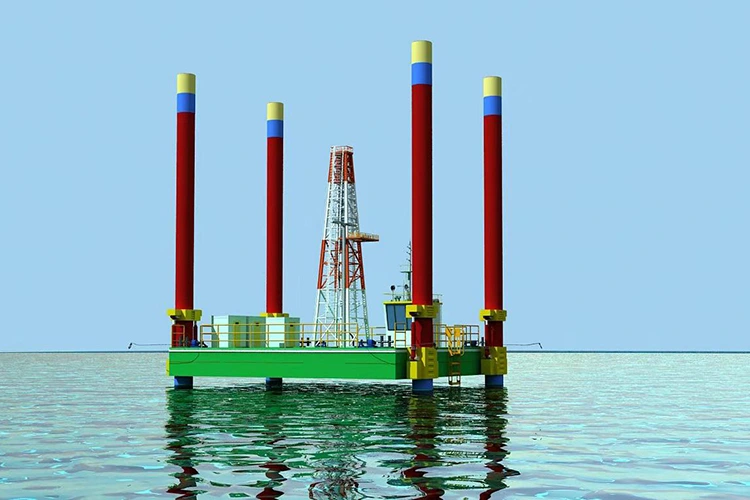
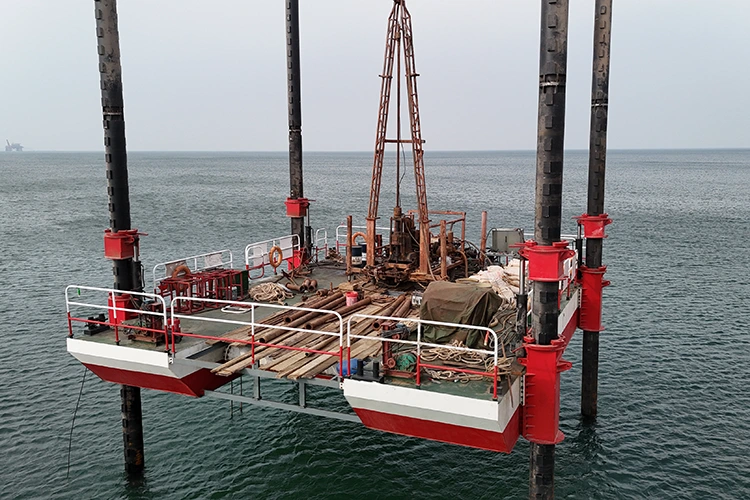
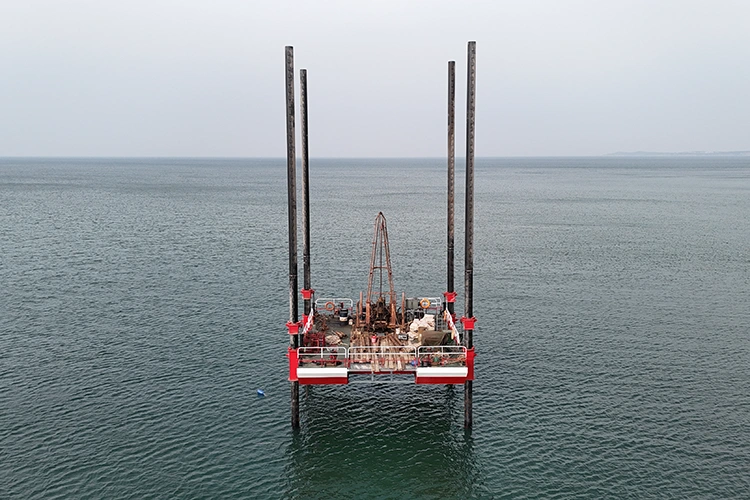
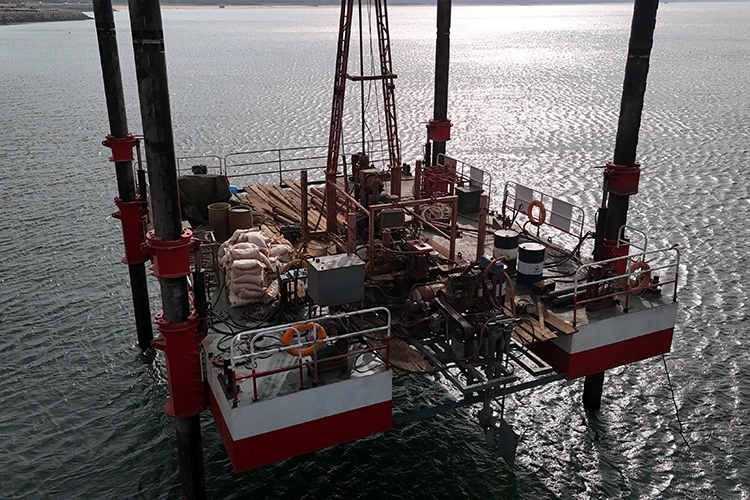
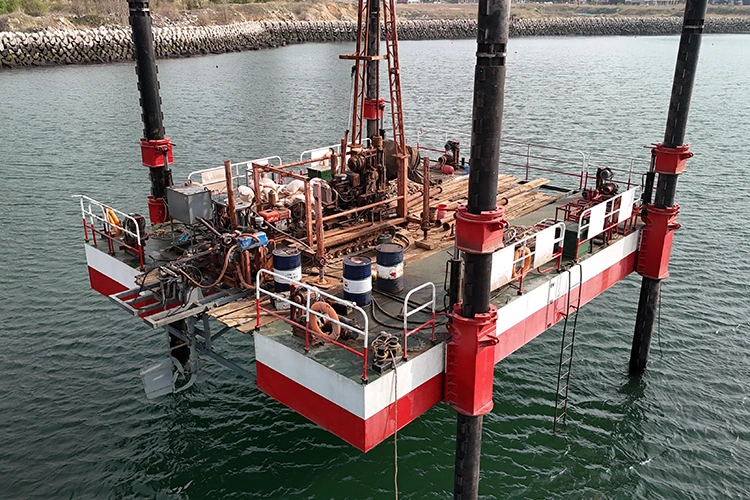
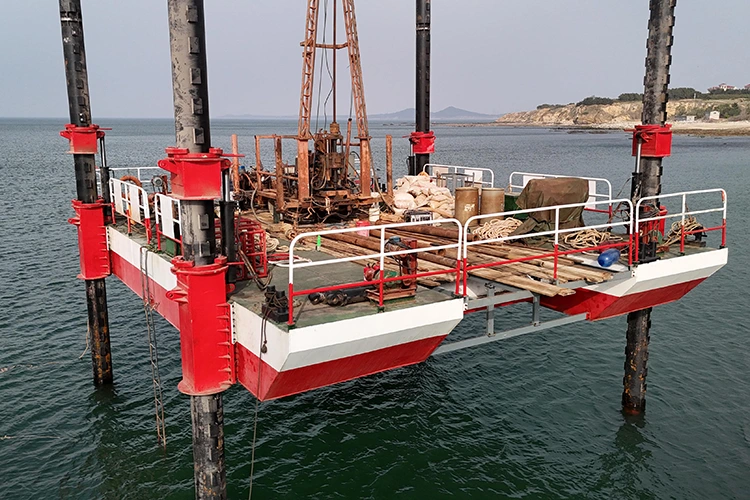
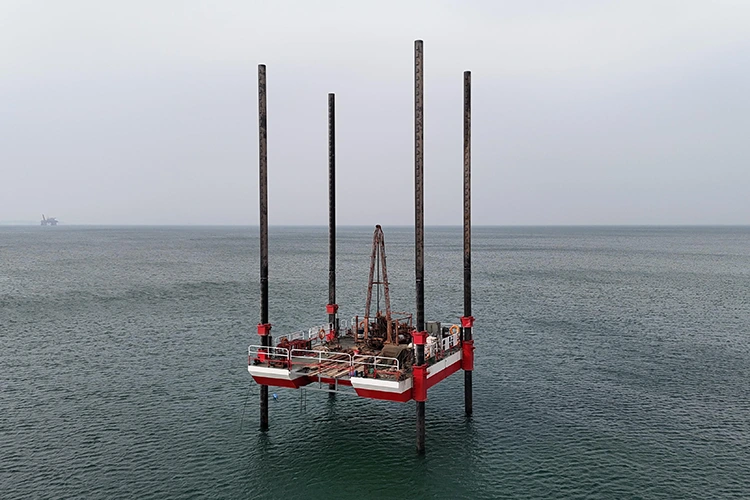
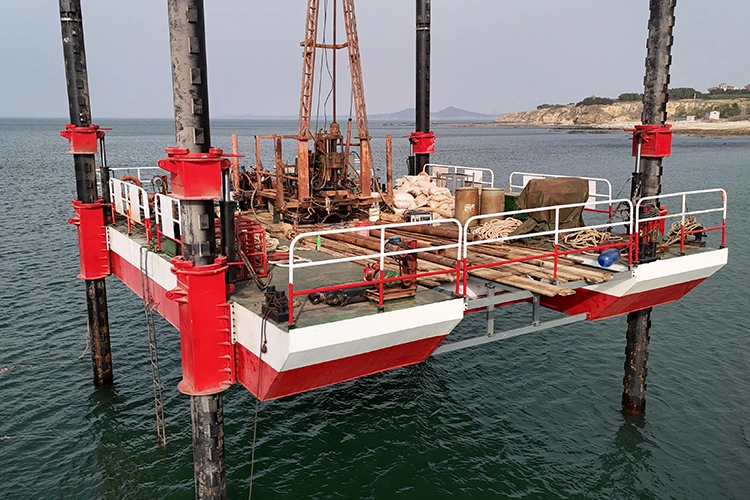
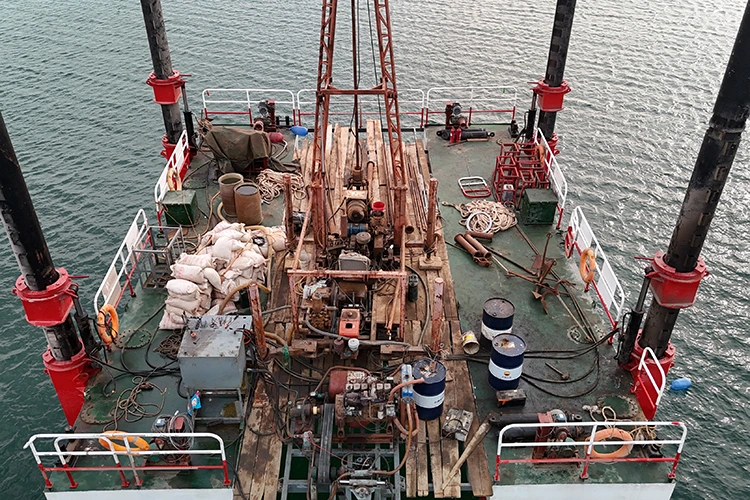
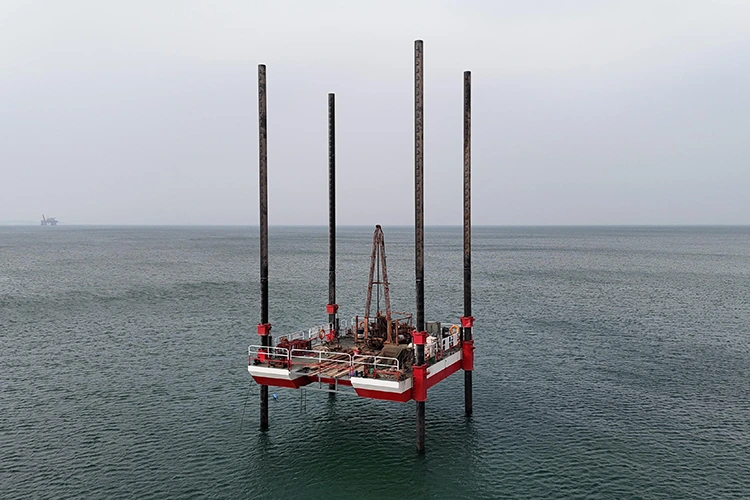
HAIDING SHIPYARD is a long-term Maintenance Self-elevating Platform supplier, we guarantee quality while offering reasonable prices and reliable service support. HAIDING SHIPYARD Maintenance Self-elevating Platform is a professional maintenance equipment designed for 3-100m marine water depth, with spud leg design length of 20-100m and total platform load capacity of 3000 tons. It core-integrates three modules: maintenance workstation, diving operation cabin and equipment storage cabin, focusing on four tasks: offshore platform equipment maintenance, submarine pipeline inspection and repair, wind power platform maintenance, and emergency repair. Aiming at the pain points of marine maintenance such as "unstable operation surface, difficult equipment adaptation, and strong interference from complex sea conditions", it realizes stable maintenance operations from shallow sea to deep sea through high-precision platform leveling (±0.1°), modular integration of maintenance equipment, and wind-wave resistant operation design (Grade 11 wind resistance). The maintenance cycle is 50% shorter than traditional floating ships, providing a "high-stability, high-adaptability, high-efficiency" maintenance solution for marine engineering.
HAIDING SHIPYARD is a long-term Maintenance Self-elevating Platform supplier, we guarantee quality while offering reasonable prices and reliable service support. HAIDING SHIPYARD Maintenance Self-elevating Platform is a professional maintenance equipment designed for 3-100m marine water depth, with spud leg design length of 20-100m and total platform load capacity of 3000 tons. It core-integrates three modules: maintenance workstation, diving operation cabin and equipment storage cabin, focusing on four tasks: offshore platform equipment maintenance, submarine pipeline inspection and repair, wind power platform maintenance, and emergency repair. Aiming at the pain points of marine maintenance such as "unstable operation surface, difficult equipment adaptation, and strong interference from complex sea conditions", it realizes stable maintenance operations from shallow sea to deep sea through high-precision platform leveling (±0.1°), modular integration of maintenance equipment, and wind-wave resistant operation design (Grade 11 wind resistance). The maintenance cycle is 50% shorter than traditional floating ships, providing a "high-stability, high-adaptability, high-efficiency" maintenance solution for marine engineering.
Core Advantages
High Integration of Maintenance Equipment, Adapted to Multi-scenario Maintenance
Multi-functional Maintenance Workstation: The platform of the HAIDING SHIPYARD Maintenance Self-elevating Platform is equipped with a closed maintenance workstation (area 60-80㎡), integrating hydraulic wrenches (torque ≤5000N·m), welding robots (underwater welding depth ≤50m), and non-destructive testing equipment (ultrasonic flaw detectors, magnetic particle detectors). It can complete maintenance operations such as bolt tightening, component welding, and equipment flaw detection. The equipment is quickly switched via rails, and the single maintenance efficiency is 60% higher than traditional on-site maintenance;
Diving Operation Support: HAIDING SHIPYARD Maintenance Self-elevating Platform equipped with 2 atmospheric diving operation cabins (accommodating 3 divers for preparation at the same time) and underwater robots (operation depth ≤100m, positioning accuracy ±0.3m), divers and robots work collaboratively to complete underwater maintenance tasks such as submarine pipeline welding and platform spud leg flaw detection, without relying on external diving support ships.
High-precision Stability Control, Ensuring Maintenance Accuracy
Full Automatic Leveling & Positioning: HAIDING SHIPYARD Maintenance Self-elevating Platform equipped with a dual-axis inclination sensor (accuracy ±0.05°) and GPS+Beidou dual positioning system (positioning accuracy ≤1m), the platform automatically levels before maintenance (level error ≤0.1°), and real-time compensates for platform tilt caused by wind and waves during maintenance, ensuring the operation accuracy of equipment such as welding robots and hydraulic wrenches (bolt tightening error ≤±2%, welding verticality deviation ≤0.5mm);
Rigid Fixation of Operation Surface: The maintenance area is equipped with retractable support legs (maximum support force 500kN), which are rigidly connected to the main platform structure to form an independent and stable maintenance operation surface, avoiding the impact of maintenance equipment vibration on accuracy, especially adapting to the use of high-precision testing equipment (such as ultrasonic flaw detectors).

Full Water Depth Adaptation, High Tolerance to Complex Environments
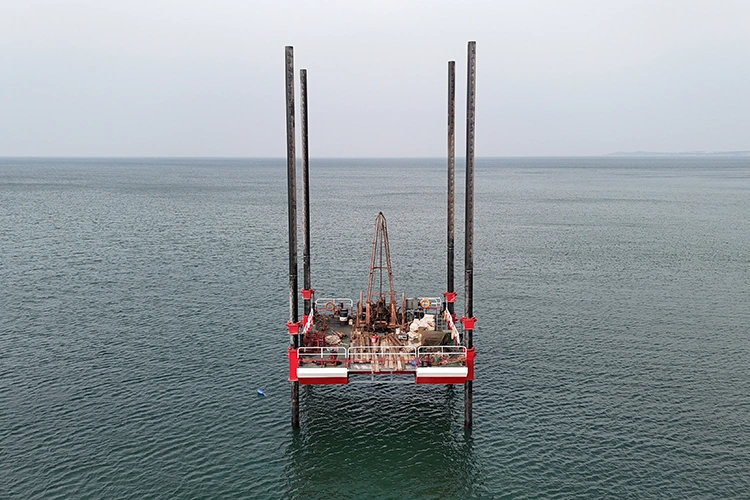
Flexible Spud Leg Customization: HAIDING SHIPYARD Maintenance Self-elevating Platform adopts 3 sectional truss spud legs (diameter 2.5-3.0m) with customizable length of 20-100m, adapting to 3-100m water depth: 20-40m short legs for shallow sea (3-20m), 40-70m medium legs for medium sea (20-50m), 70-100m long legs for deep sea (50-100m); spud cans adopt anti-slip design (contact area ≥70㎡) to prevent sliding on muddy seabeds;
Harsh Environment Protection: The platform has Grade 11 wind resistance, ≤5m wave resistance height, and ≤2 knots current resistance speed. The maintenance workstation is equipped with a constant temperature and humidity system (temperature 20-25℃, humidity 40%-60%) and dustproof and waterproof sealing (protection grade IP65), which can operate during the South China Sea monsoon period and Bohai Bay winter low-temperature period, ensuring the normal operation of maintenance equipment.
Modular Deployment, Convenient Operation & Maintenance
Sectional Transportation & Assembly: The platform of the HAIDING SHIPYARD Maintenance Self-elevating Platform is split into 5-7 sections (main platform section, spud leg section, maintenance module section) with maximum single section weight ≤100 tons, which can be transported to global sea areas by ocean-going barges and semi-submersible ships; on-site assembly is completed with flanges + high-strength bolts, and can be finished in 8-12 days with marine floating cranes, 40% shorter than the deployment cycle of traditional maintenance ships;
Modular Maintenance of Maintenance Equipment: Core equipment such as hydraulic wrenches and welding robots adopt modular design, which can be disassembled and replaced as a whole in case of failure, reducing maintenance time to 8 hours/time; the spud leg rack is made of NM500 wear-resistant steel (hardness ≥500HB) with a service life ≥20 years in deep-sea environment, without frequent replacement.
Detailed Technical Parameters
|
Parameter Category |
Specific Item |
Specification Range |
Remarks |
|
Basic Dimensions |
Total Platform Length (m) |
40-60 |
5-7 sections, single section length ≤15m |
|
|
Total Platform Width (m) |
20-25 |
Effective deck operation area ≥75% (including maintenance modules) |
|
|
Platform Depth (m) |
5.0-6.0 |
Ensures large-load buoyancy and maintenance cabin space |
|
Lifting Performance |
Number/Type of Spud Legs |
3/truss-type |
Spud leg diameter 2.5-3.0m |
|
|
Spud Leg Length (m) |
20-100 |
Adapted to 3-100m water depth, customizable |
|
|
Lifting Speed (m/min) |
0.3-0.5 |
Full-load lifting speed ≥0.3m/min |
|
|
Seabed Insertion Depth (m) |
≥8 |
Expandable spud can optional for soft soil (contact area ≥70㎡) |
|
Load & Maintenance Performance |
Total Platform Load (t) |
3000 |
Including maintenance equipment, diving cabin, personnel and materials |
|
|
Deck Uniform Load (kN/㎡) |
60-70 |
Maintenance workstation area load ≥100kN/㎡ |
|
|
Maintenance Equipment Load (t) |
≤150 |
Including hydraulic wrenches, welding robots and testing equipment |
|
|
Diving Operation Parameters |
Diving cabin capacity 3 persons/unit, underwater robot operation depth ≤100m |
Robot positioning accuracy ±0.3m |
|
|
Maintenance Accuracy |
Bolt tightening error ≤±2%, welding verticality deviation ≤0.5mm |
Operation accuracy after leveling |
|
Structure & Material |
Platform Material |
Main structure: Q460 high-strength steel; Deck: NM500 wear-resistant steel |
Main load-bearing beam thickness ≥40mm |
|
|
Anti-corrosion Treatment |
Deep-sea heavy anti-corrosion coating + cathodic protection |
Underwater anti-corrosion life ≥15 years |
|
|
Leveling Accuracy |
±0.1° |
Full-automatic hydraulic leveling system |
|
Safety Configuration |
Wind Resistance Grade |
Grade 11 |
Platform in raised state, maintenance equipment windproof locking |
|
|
Emergency System |
Emergency generator (250kW), manual lifting device, diving cabin emergency oxygen supply |
Manual lifting for emergency spud leg recovery |
|
|
Monitoring System |
Level, maintenance equipment status, wind speed, water depth monitoring |
Data uploaded to shore-based command center in real time |
|
Certification Standard |
Product Certification |
ABS/CCS/DNV marine platform certification |
Complies withRules for Classification of Mobile Offshore Units &Diving System Safety Regulations |

Core Application Scenarios
Offshore Platform Equipment Maintenance
Oil & Gas Platform Equipment Replacement: In the Bohai Bay and South China Sea oil and gas platforms, replace 30-50-ton equipment (such as pump units, compressors, heat exchangers). The hydraulic lifting device of the maintenance workstation is used for equipment disassembly and assembly. The stable working surface of the platform ensures the installation accuracy of the equipment, and the maintenance cycle is 50% shorter than that of traditional floating vessels.
Platform Structure Flaw Detection and Reinforcement: Conduct ultrasonic flaw detection on the legs and beams of old offshore platforms. After cracks are detected, use welding robots for reinforcement and repair. Divers cooperate with underwater robots to complete underwater structure flaw detection, and maintenance can be carried out without platform shutdown.
Submarine Pipeline Inspection & Repair
Pipeline Leak Repair: For the submarine oil/gas pipelines in the East China Sea and Yellow Sea, use underwater robots to locate leakage points. Divers carry welding equipment for pipeline repair welding. The maintenance workstation monitors the welding temperature and quality in real-time to ensure that the pressure-bearing capacity of the pipeline after repair meets the standards.
Pipeline Anti-corrosion Coating Maintenance: Inspect the anti-corrosion coating (3PE anti-corrosion coating) of submarine pipelines. After removing marine organisms in the damaged area, use underwater spraying robots to re-spray anti-corrosion materials. The platform's stable mooring allows continuous operation for 72 hours, and the daily maintenance pipeline length is ≥500 meters.
Offshore Wind Power Platform Maintenance
Wind Turbine Gearbox Replacement: On 16MW offshore wind power platforms along the coasts of Jiangsu and Fujian, disassemble and replace 80-100-ton wind turbine gearboxes. Use the platform's auxiliary lifting device (rated lifting capacity of 100 tons) to complete equipment transfer. The automatic leveling system compensates for wind and wave tilting to ensure that the coaxiality deviation between the gearbox and the main shaft is ≤0.1mm.
Wind Turbine Foundation Pile Inspection: Conduct magnetic particle inspection on the underwater part of the wind power platform foundation piles. The inspection depth is ≤50 meters. After the corroded area is detected, use underwater robots for anti-corrosion treatment (spraying zinc-aluminum alloy) to prevent damage to the pile foundation structure.
Marine Engineering Emergency Repair
Platform Emergency Leak Plugging: For emergencies such as cabin leakage and pipeline rupture of offshore platforms, the platform can be quickly deployed (assembly cycle ≤10 days). Divers cooperate with leak plugging equipment to complete emergency plugging. With a wind resistance level of 11, it can operate in complex sea conditions, buying time for subsequent maintenance.
Sunken Ship Emergency Response: At the scene of a sunken ship accident, the maintenance platform serves as a temporary operation base, providing equipment maintenance and diving support services for the salvage team. The storage cabin can store salvage equipment and supplies to ensure the continuous progress of emergency response.
Customization Services
Parameter & Function Customization: Adjust spud leg length (up to 100m) and maintenance equipment configuration (e.g., upgrading underwater cutting robots, adding special pipeline repair modules) according to maintenance scenarios; add spud leg ice-breaking devices and maintenance cabin insulation systems for polar sea areas; upgrade stainless steel components and anti-corrosion coatings of maintenance equipment for high-salt-spray environments;
Value-Added Services: Assist in handling international classification certification (ABS/CCS/DNV) and marine maintenance operation permits for the platform; provide maintenance plan design (e.g., equipment disassembly and assembly path planning, underwater maintenance process optimization); connect with marine engineering maintenance teams to provide "platform + maintenance + testing" integrated services, ensuring efficient completion of maintenance tasks.
Hot Tags: China Maintenance Self-elevating Platform Manufacturer , Supplier , Factory
Send Inquiry
Contact Info
-
Address
No. 8888, Wanhong Avenue, Huanglou Sub-district, Qingzhou City, Weifang City, Shandong Province, China
-
Tel
-
E-mail
Submit your demand for dredgers, Sectional Barges or Tugboats to get instant quotation. HAIDING SHIPYARD meticulously monitoring every step of production to ensure quality and clear pricing, providing our customers with cost-effective solutions.