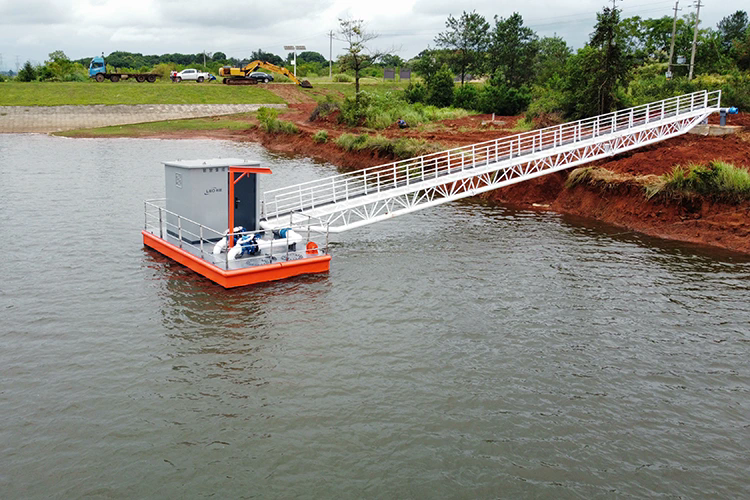
How Does a River Water Intake Pumping Station Operate?
Abstract: River water intake pumping stations are essential infrastructures for supplying water for municipal, industrial, and agricultural purposes. This article provides a comprehensive overview of the operation, design, and maintenance of these stations. Readers will gain insights into technical specifications, efficiency considerations, environmental challenges, and practical solutions to common issues.
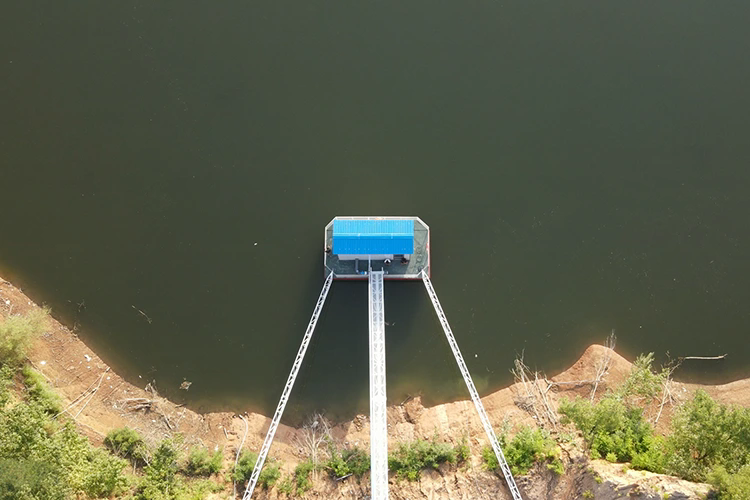
Table of Contents
- Introduction
- Design and Components
- Operation Principles
- Maintenance and Troubleshooting
- Environmental and Safety Considerations
- FAQ
- Contact
Introduction
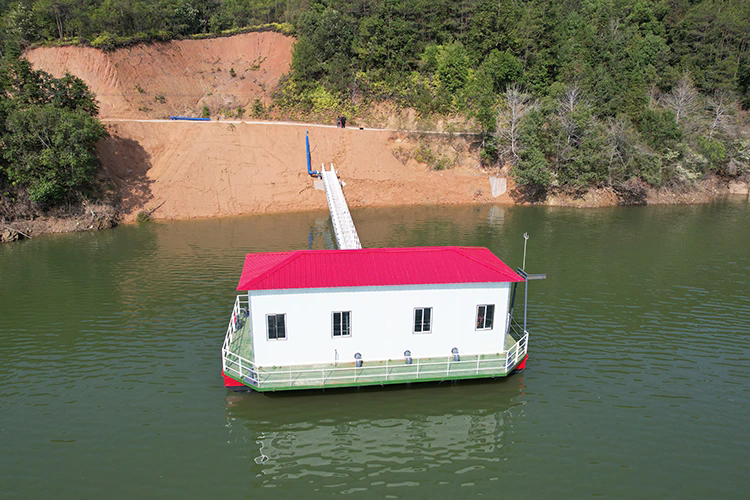
River water intake pumping stations play a critical role in ensuring reliable water supply from natural water bodies. They are designed to lift water from rivers, streams, or lakes and transport it through pipelines to treatment facilities or directly to end-users. Efficient operation of these stations minimizes energy consumption, reduces maintenance costs, and ensures water quality.
Shandong Haiding Shipbuilding Co., Ltd. specializes in the design and manufacturing of high-performance river water intake pumping stations tailored for diverse applications.
Design and Components
The design of a river water intake pumping station involves several key components:
- Intake Structure: Screens, trash racks, and sedimentation channels prevent debris from entering the pump system.
- Pumping Units: Centrifugal or axial flow pumps designed to handle large volumes of water efficiently.
- Motors and Drives: Electric motors or diesel engines that provide reliable power to the pumps.
- Control System: Automation and monitoring systems for flow regulation, water level management, and fault detection.
- Discharge Pipeline: Pipes and valves that transport water to treatment plants or distribution networks.
Key Design Specifications
| Component | Specification | Purpose |
|---|---|---|
| Intake Screen | Stainless steel mesh, 5-10 mm openings | Prevent debris entry |
| Pump Type | Centrifugal / Axial Flow | Efficient water transfer |
| Motor Power | 100 kW - 2000 kW | Provide sufficient pumping force |
| Automation System | PLC-based with remote monitoring | Ensure continuous operation |
Operation Principles
The operation of a river water intake pumping station involves several steps:
- Water Collection: Water is drawn from the river through intake screens.
- Filtration: Debris and sediments are filtered to prevent damage to pumps.
- Pumping: Pumps lift water into the discharge pipeline.
- Flow Control: Valves and sensors regulate flow rates and maintain optimal pressure.
- Monitoring: SCADA or local control systems continuously monitor pump performance, water levels, and potential issues.
Proper operation ensures energy efficiency, prolongs pump life, and maintains water quality standards.
Maintenance and Troubleshooting
Routine maintenance is crucial to avoid unexpected failures. Key maintenance practices include:
- Regular inspection of intake screens and cleaning to prevent clogging.
- Lubrication and alignment of pump shafts and bearings.
- Checking motor electrical parameters and connections.
- Monitoring vibration and noise to detect early signs of wear.
- Testing backup power systems to ensure reliability.
Common Troubleshooting Issues
| Issue | Possible Cause | Solution |
|---|---|---|
| Reduced Flow Rate | Clogged intake screen or pump wear | Clean screen, repair or replace pump components |
| Motor Overheating | Electrical imbalance or poor ventilation | Inspect wiring, improve cooling system |
| Excessive Vibration | Misalignment or bearing failure | Realign shaft, replace bearings |
Environmental and Safety Considerations
Operating a river water intake pumping station requires attention to both environmental impact and safety:
- Use fish-friendly screens and bypass systems to protect aquatic life.
- Implement sediment management to prevent riverbank erosion and water contamination.
- Ensure electrical safety, proper grounding, and emergency shutdown procedures.
- Monitor chemical usage if disinfection or treatment chemicals are involved.
Shandong Haiding Shipbuilding Co., Ltd. incorporates environmental compliance into all designs to meet local regulations and sustainability standards.
FAQ
- Q1: What is the typical capacity of a river water intake pumping station?
- A: Capacity varies depending on the project, ranging from 1,000 m³/h to over 50,000 m³/h.
- Q2: How often should maintenance be performed?
- A: Routine inspection is recommended weekly, with detailed maintenance every 6-12 months.
- Q3: Can these stations operate in extreme weather?
- A: Yes, they are designed with protective structures and weatherproof components for reliable operation.
- Q4: How can energy efficiency be improved?
- A: Using variable frequency drives, high-efficiency pumps, and real-time monitoring can significantly reduce energy consumption.
Contact Shandong Haiding Shipbuilding Co., Ltd.
If you are interested in a high-performance River Water Intake Pumping Station or require technical support, Shandong Haiding Shipbuilding Co., Ltd. is ready to provide customized solutions. Contact us today to discuss your project requirements and request a quote. Our expert team ensures efficient, reliable, and environmentally compliant pumping solutions tailored to your needs.
Related News
- How Can a Controllable Pitch Propeller Tug Improve Towing Efficiency and Port Maneuverability
- How Can a Jack Up Living Quarter Platform Improve Safety and Efficiency in Offshore Operations
- How Can a Rapidly Emplaced Bridge Transform Emergency Water-Crossing and Infrastructure Recovery
- How Can a Jack Up Wind Farm Installation Platform Transform Offshore Wind Turbine Installation
- How Can Modular Pontoons Transform Modern Marine Construction and Floating Platform Projects
- How Does an Ocean-Going Tug Support Demanding Deep-Sea Operations?
Leave me a message